MAP Sensors
Browse 77 MAP Sensors part numbers with OE cross-reference and fitment notes for passenger cars, SUVs, pickups and vans. Export packing available - send an inquiry for price and lead time.
Product Categories
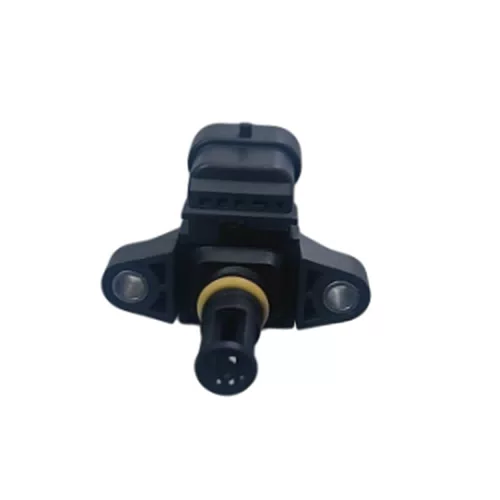
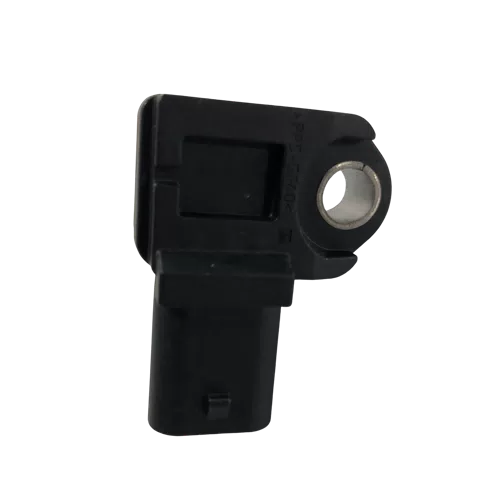
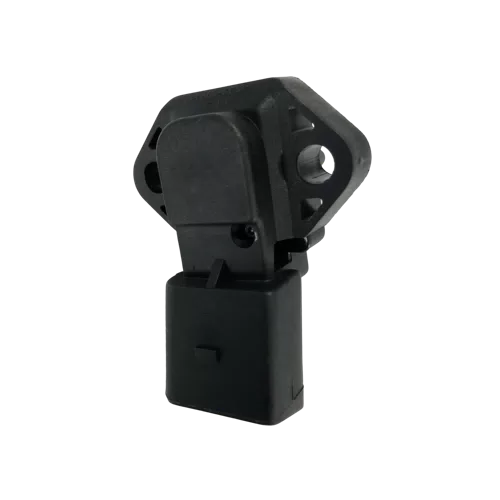
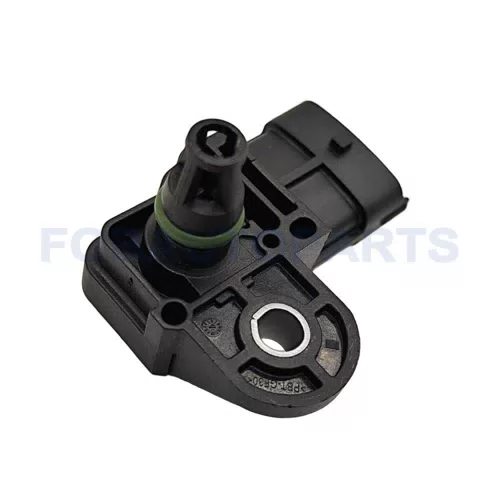
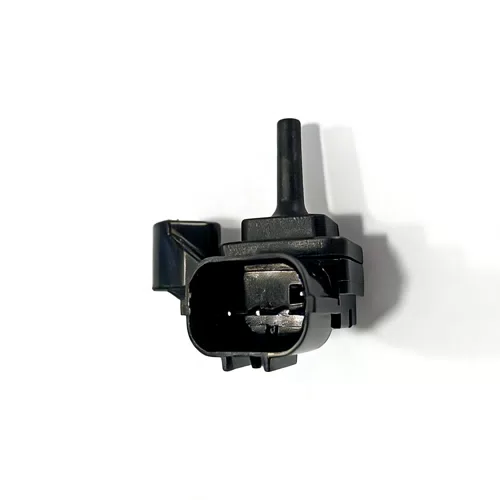
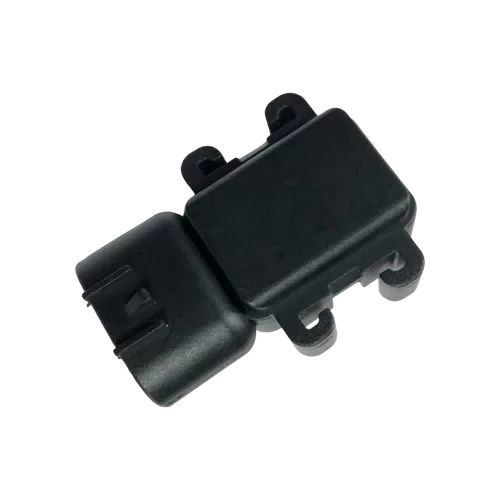
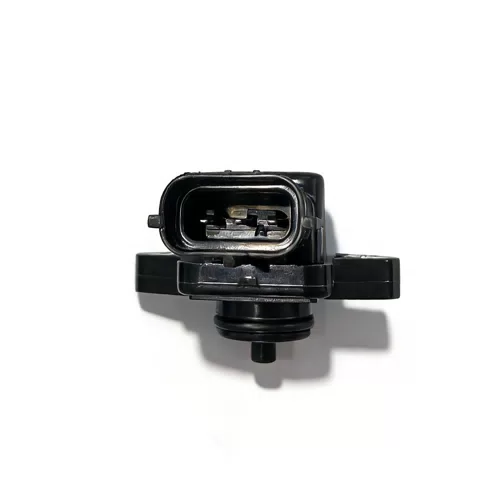
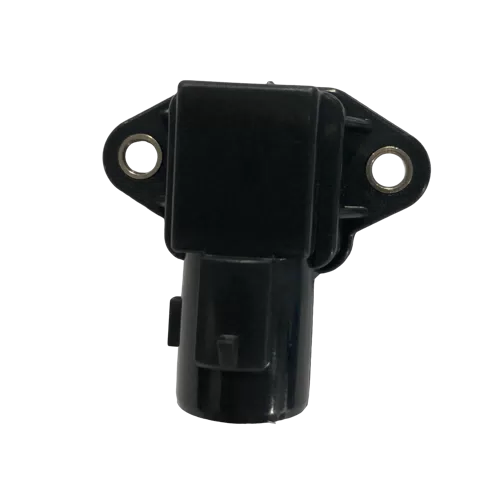
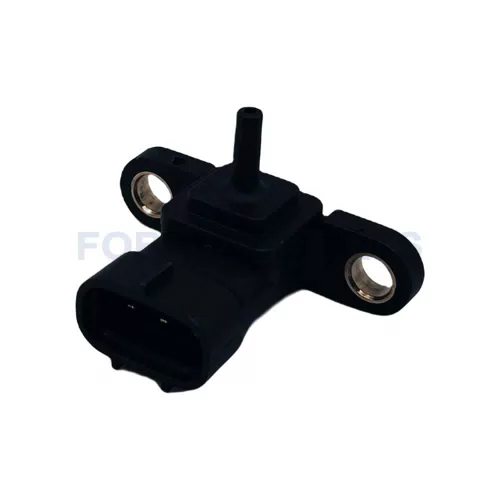
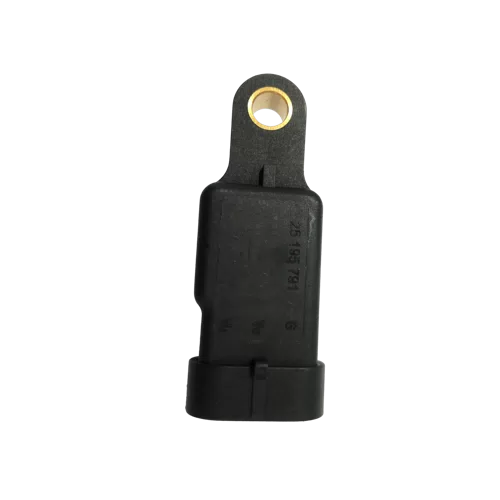
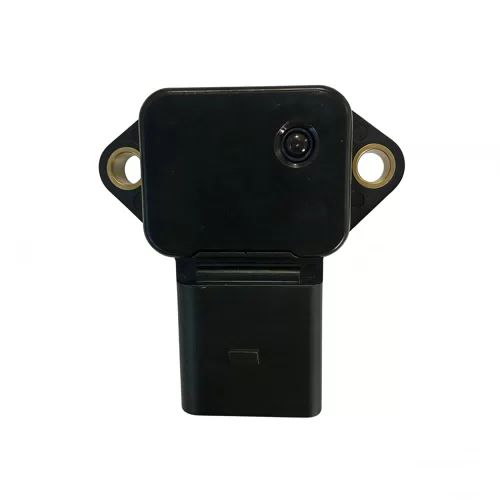
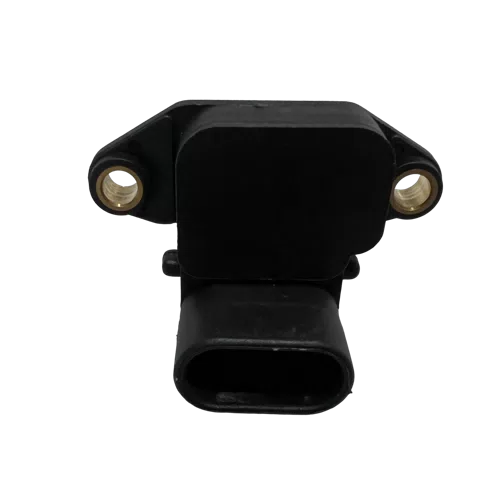
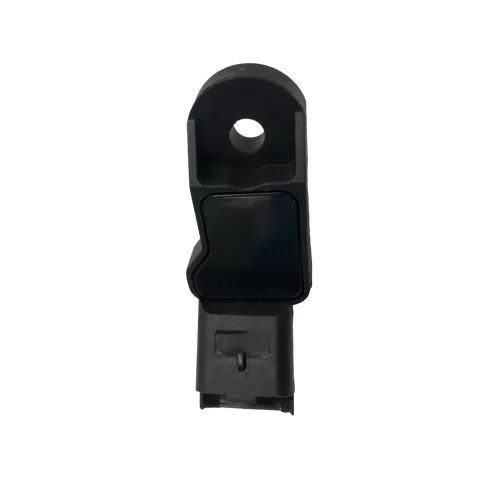
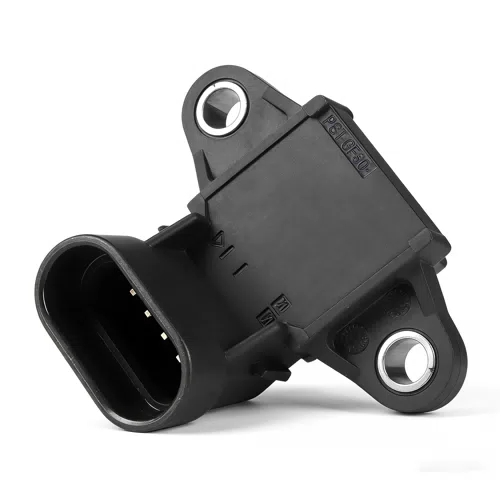
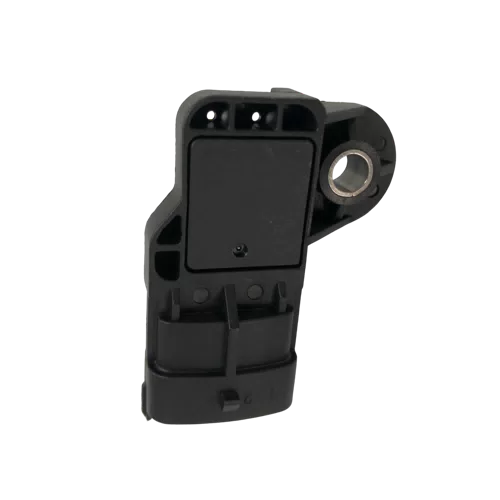
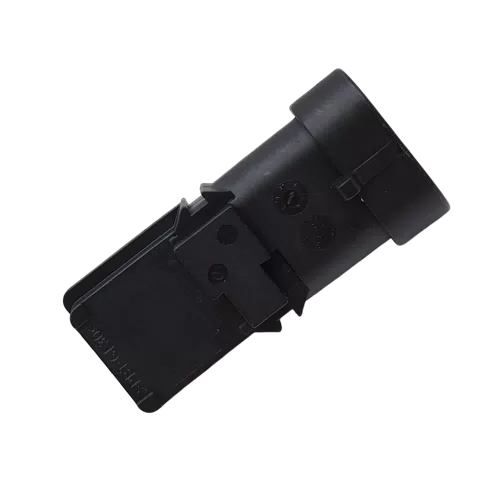
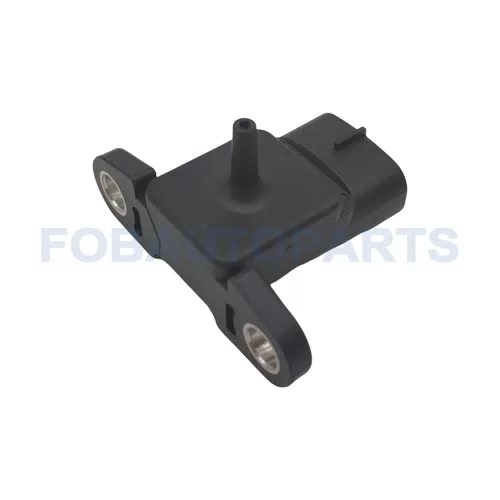
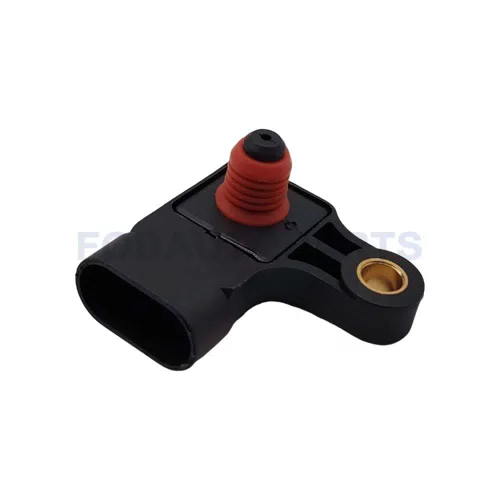
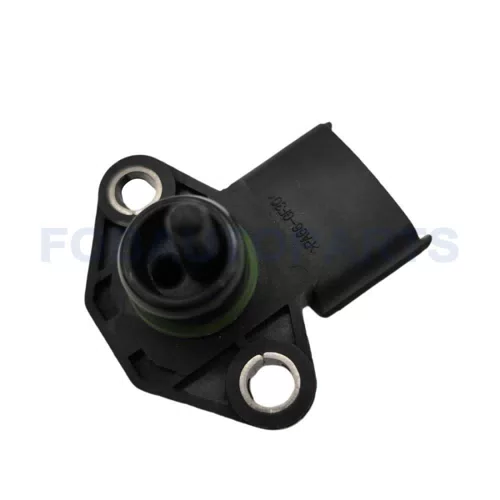
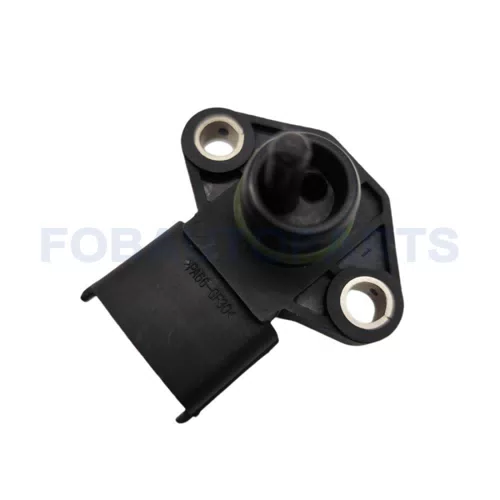
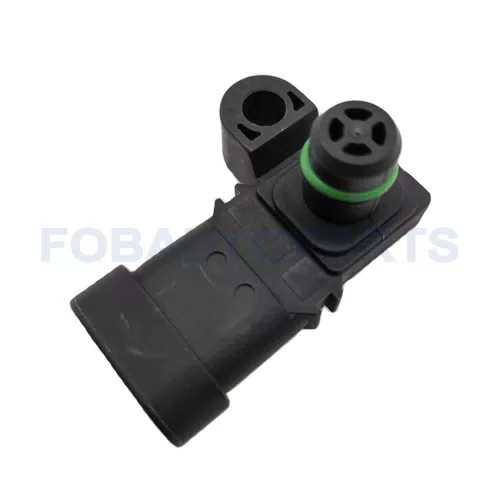
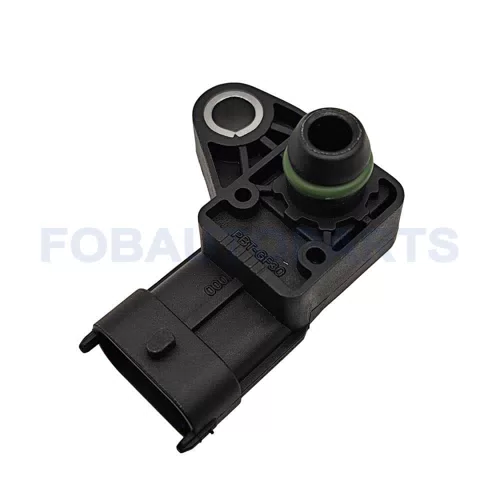
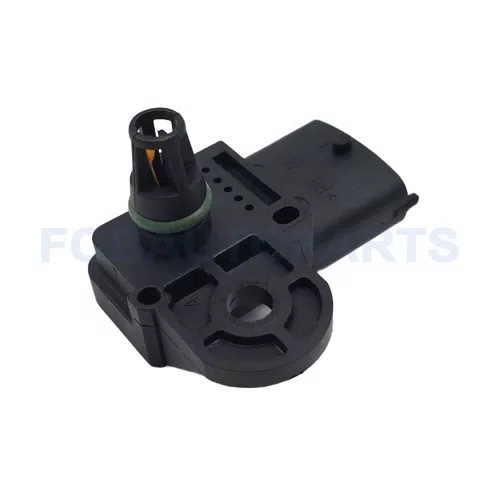
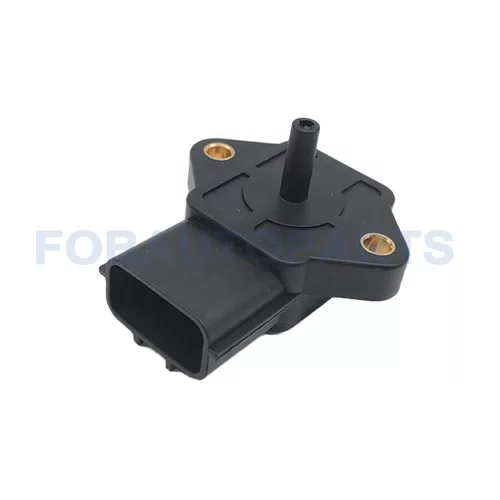
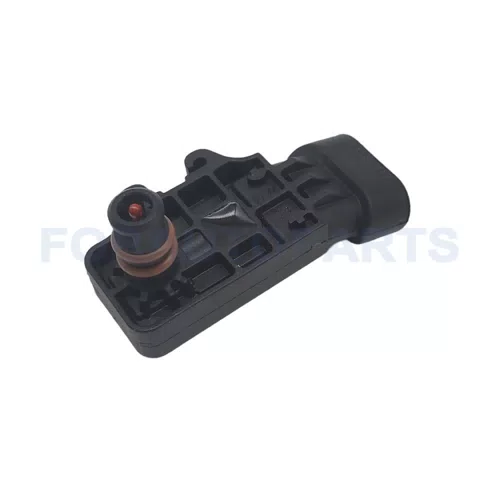
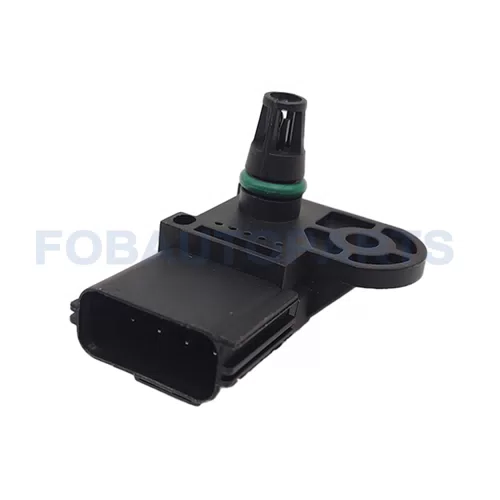
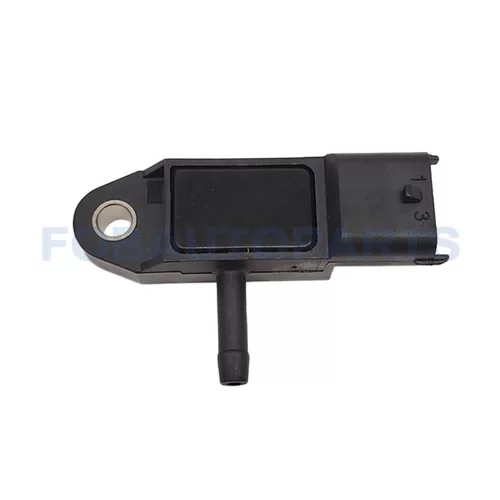
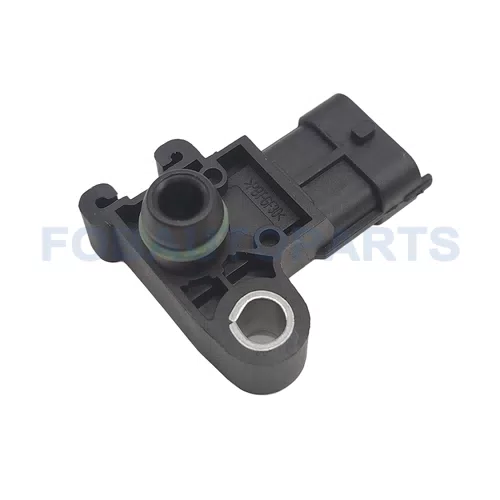
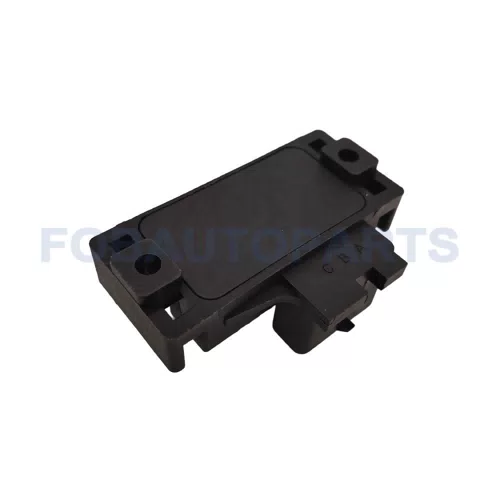
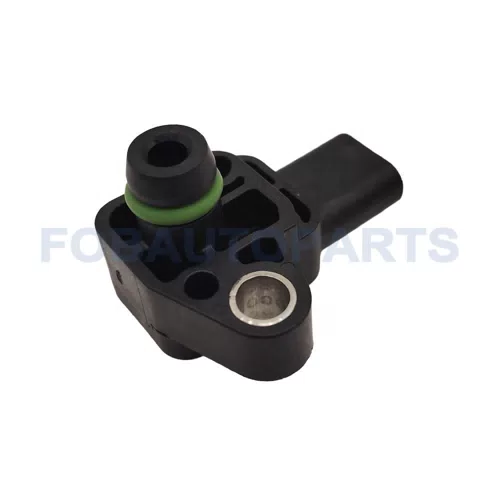
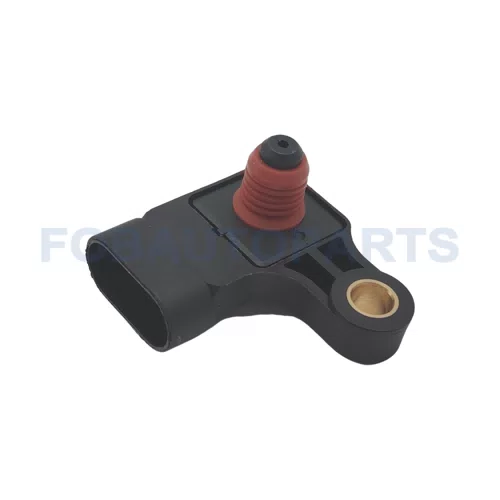
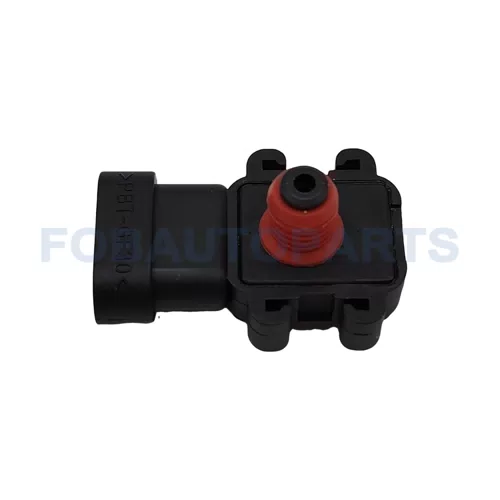
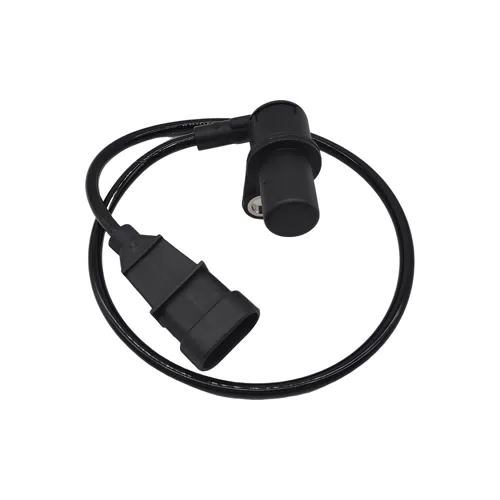
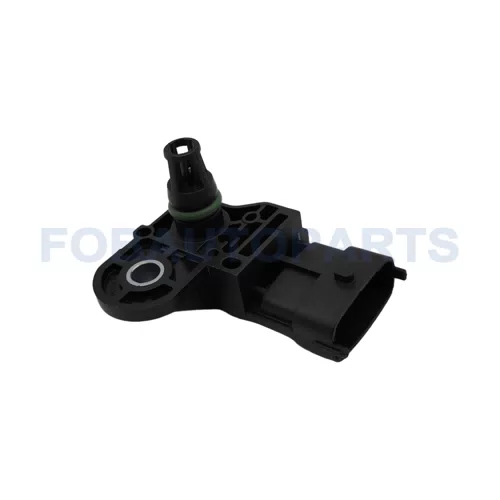
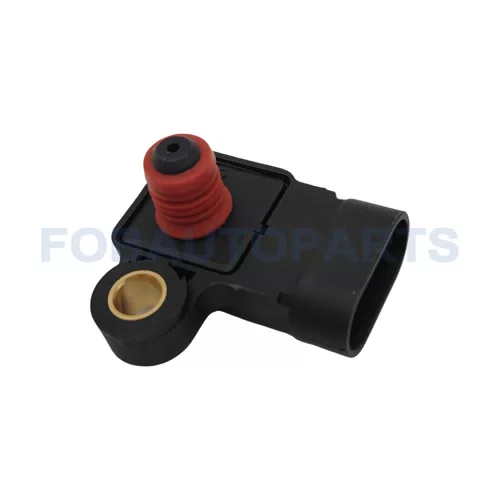
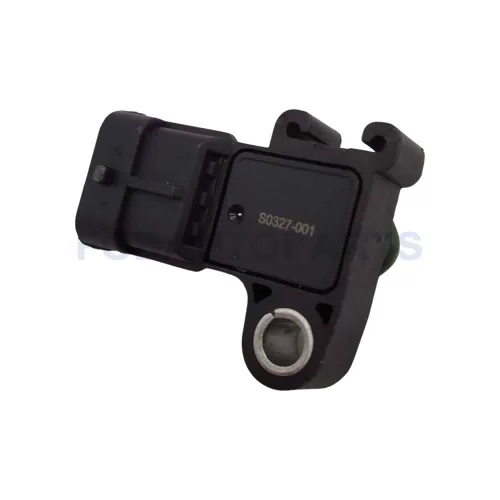
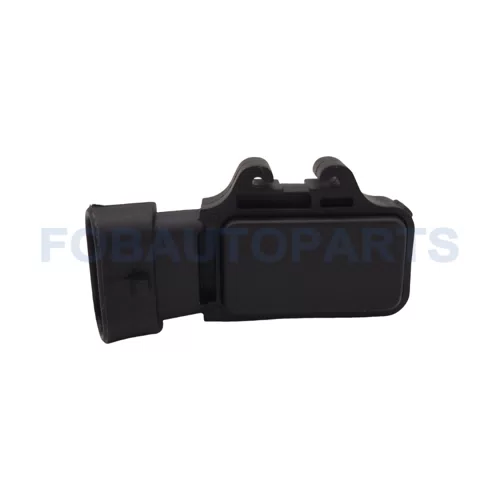
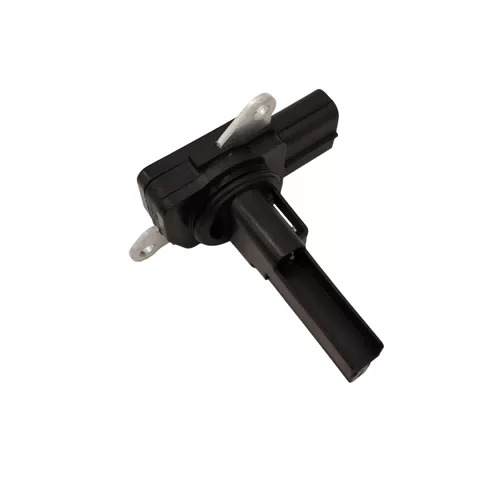
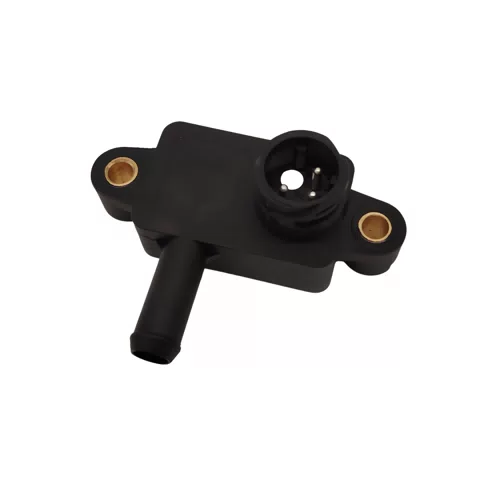
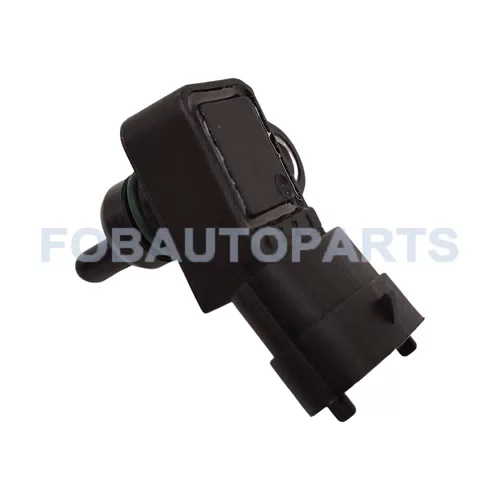
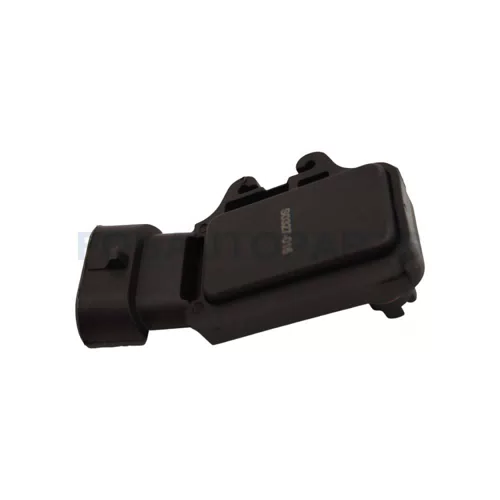
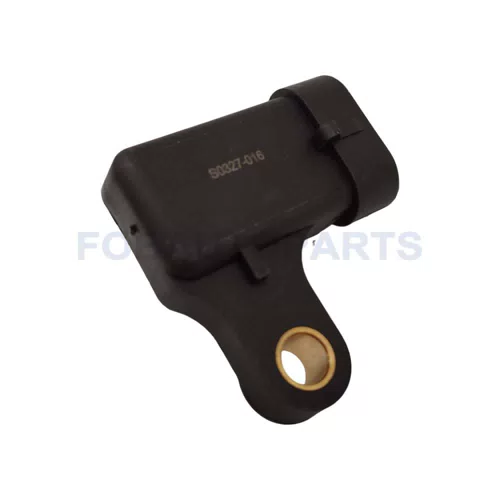
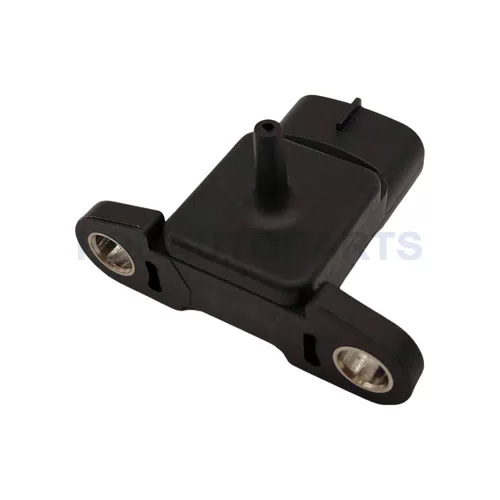
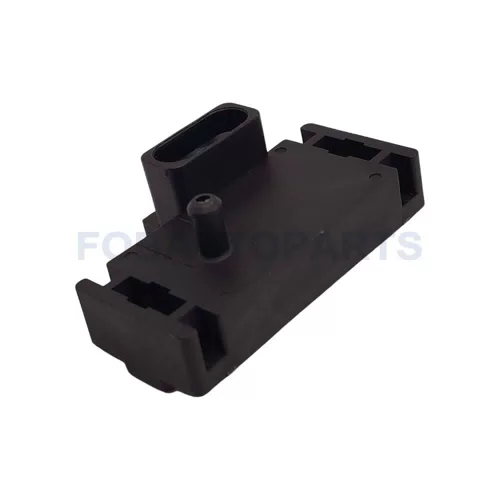
Buying MAP Sensors by OE number
A manifold absolute pressure sensor reports load to the ECU, so a failing unit shows up as poor idle, hesitation or an incorrect boost reading. The complication is that MAP sensors come in different pressure ranges — a 1-bar naturally aspirated sensor and a 2.5-bar turbo sensor use the same three-pin connector and produce completely different readings. Fitting the wrong range does not always trigger a code; it just makes the engine run badly.
We list 77 MAP sensor references, weighted towards Asian and American applications. Commonly ordered numbers include 10233921 and A2C10395000 for Roewe 350, 360 and MG ZS, 55575988 and 55 575 988 for GM applications, 261230011 for Chevrolet, Buick and Cadillac, and 6PP 358 152-561 for European programs. Each listing states the pressure range, the pin count and whether the sensor includes a mounting clip or O-ring.
For a quotation, send the OE number and the engine — naturally aspirated, turbocharged or supercharged. If you are unsure of the range, send the original sensor's numbers and we will confirm before shipping. We would rather ask twice than send a sensor that fits the plug but reads the wrong pressure.
Reading live data before ordering saves a return. At idle, a naturally aspirated engine typically reports a manifold pressure well below atmospheric; a sensor stuck at a fixed value, or reporting atmospheric at idle, is suspect before any part is ordered. A turbocharged engine should show pressure rising above atmospheric under load — a sensor that never goes positive is either the wrong range or failed.
Range is specified on the listing for every reference we hold. Where a buyer is converting an engine or fitting a different intake, we ask for the target pressure range rather than matching the plug shape, because the ECU calibration is built around the range, not around the connector.
Frequently asked questions
How do I know the pressure range of my sensor?
The OE number identifies the range. Send us the number on the original sensor and the engine type, and we will confirm the reference. Do not infer the range from the connector — the same three-pin plug is used across different ranges.
Are MAP and MAF sensors interchangeable?
No. They measure different things — manifold pressure versus air mass — and the ECU calibration depends on which one the engine uses. Some engines use both, some use only one.
Can a faulty MAP sensor cause a misfire code?
It can contribute to poor running and to fuel trim codes, which are sometimes misread as ignition faults. Confirm with live data before replacing parts.
Do you supply the mounting clip and O-ring?
Where the reference includes them the listing says so. Clips and O-rings are also stocked separately — tell us if you need them for workshop stock.
Do you have sensors for turbocharged applications?
Yes. Tell us the boost range required and we will confirm which references meet it. Turbo and non-turbo sensors are not interchangeable even when the connector matches.
What if my OE number is not listed?
Send it. We source against buyer OE lists as well as from stock, and we will confirm honestly whether we can supply the reference.
Related categories
Send your OE list for a quotation
Tell us the OE numbers, quantities and destination port. We confirm fitment against your references and quote with export packing options.