Oxygen Sensors
Browse 219 Oxygen Sensors part numbers with OE cross-reference and fitment notes for passenger cars, SUVs, pickups and vans. Export packing available - send an inquiry for price and lead time.
Product Categories
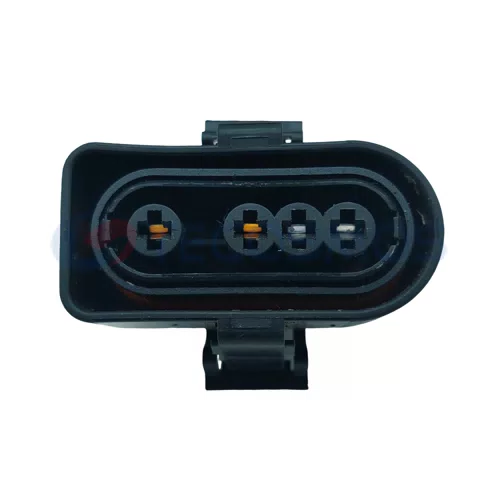
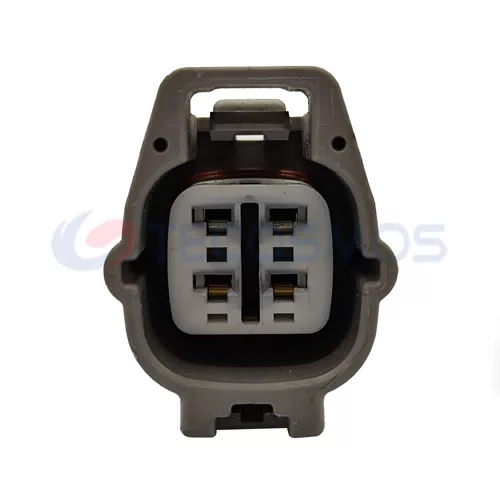
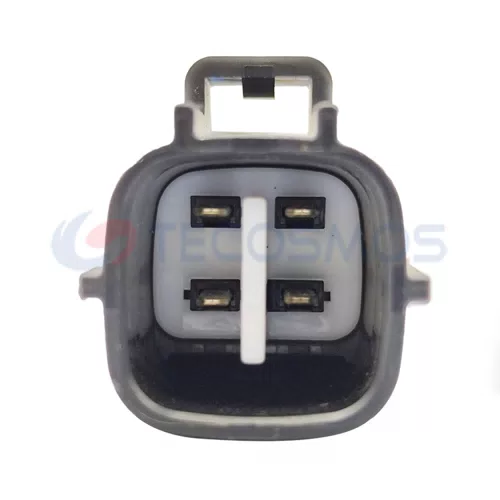
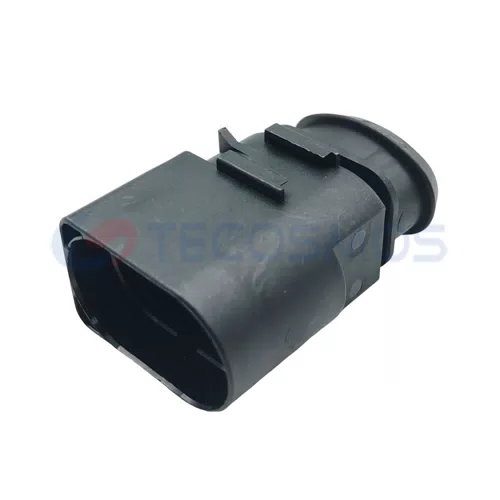
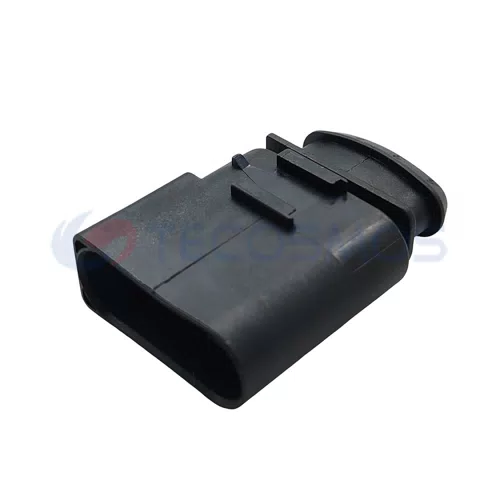

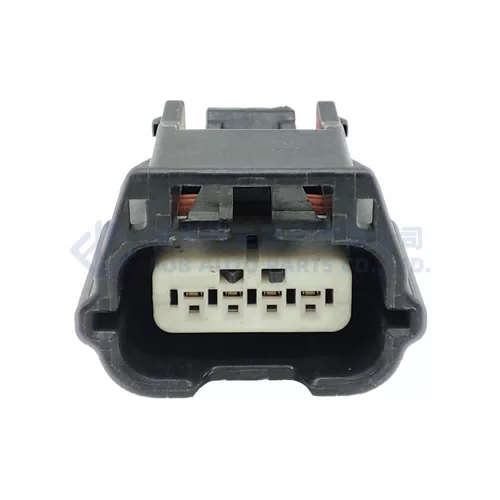
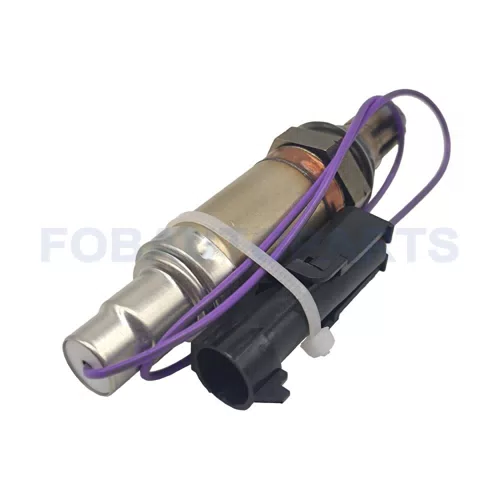
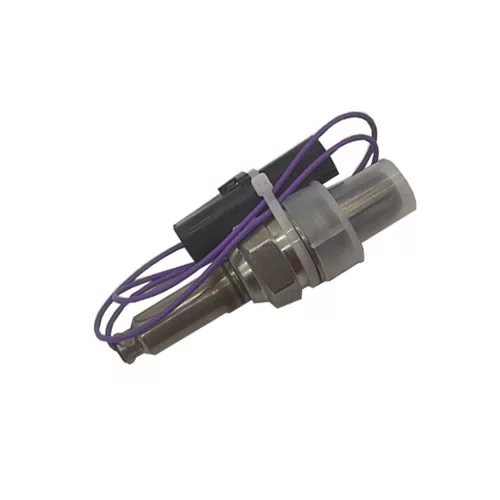
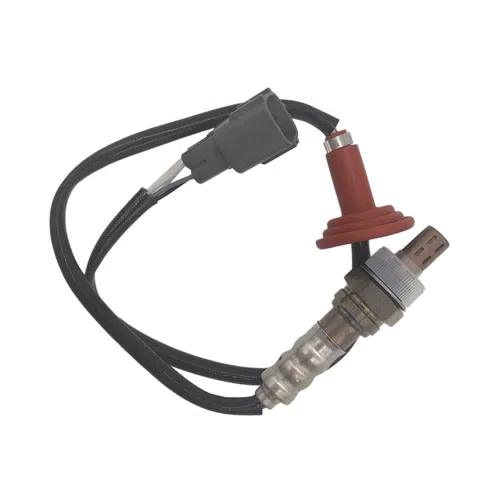
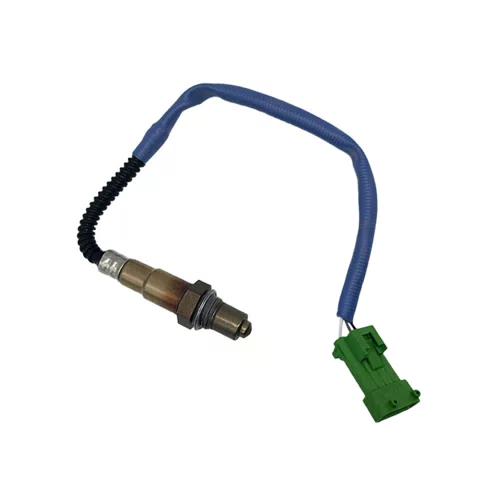
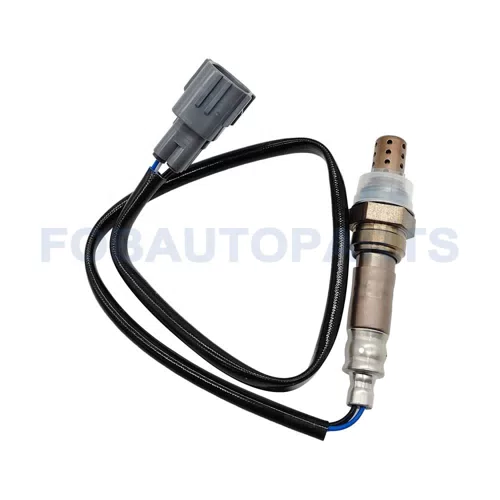
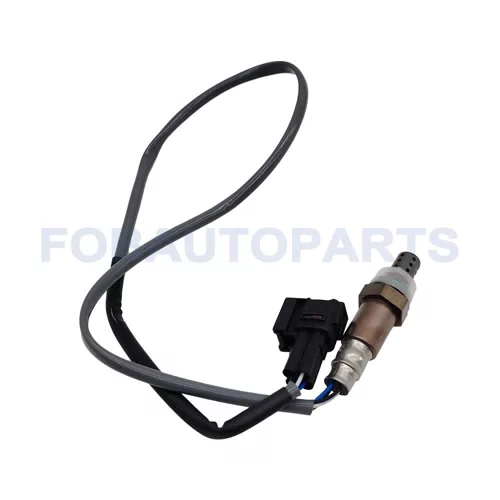
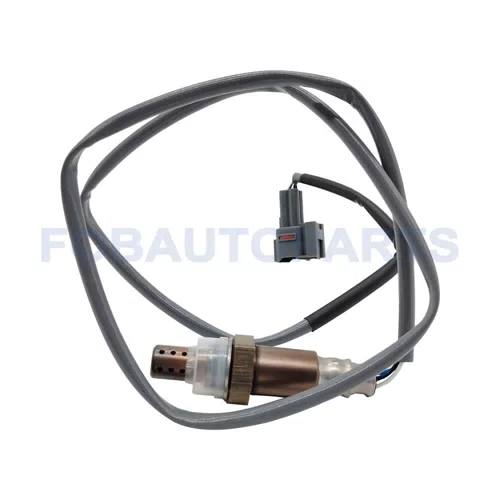
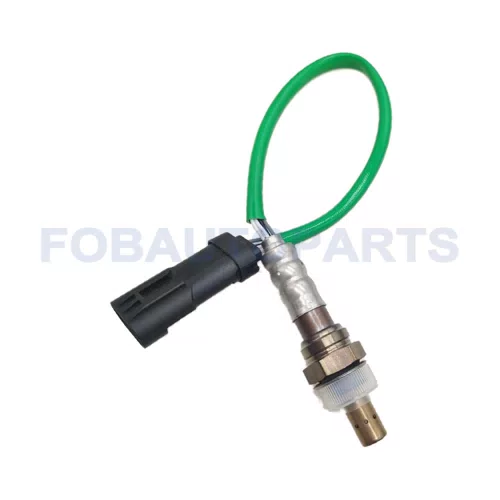
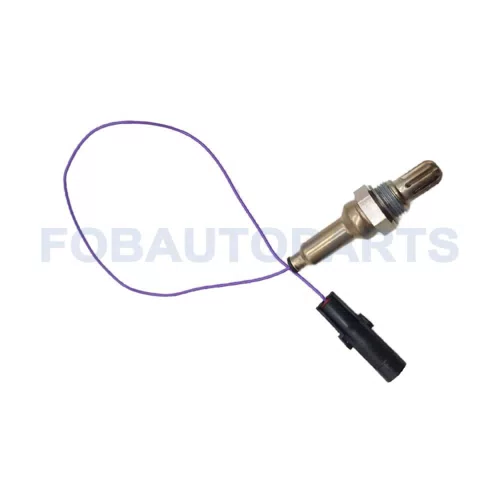
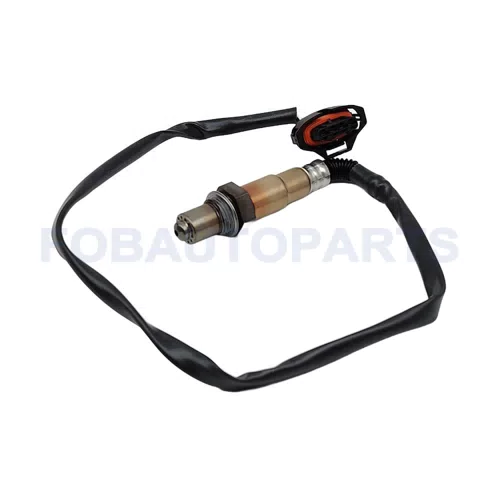
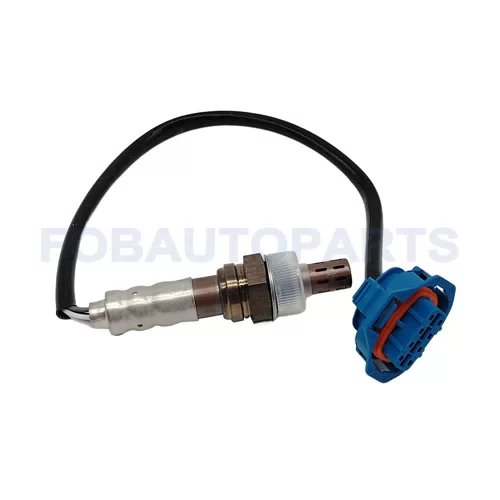
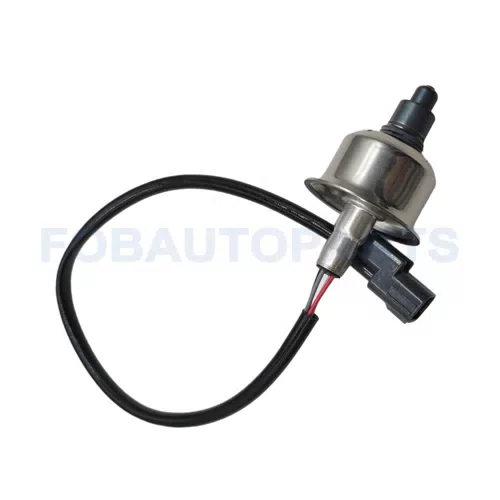
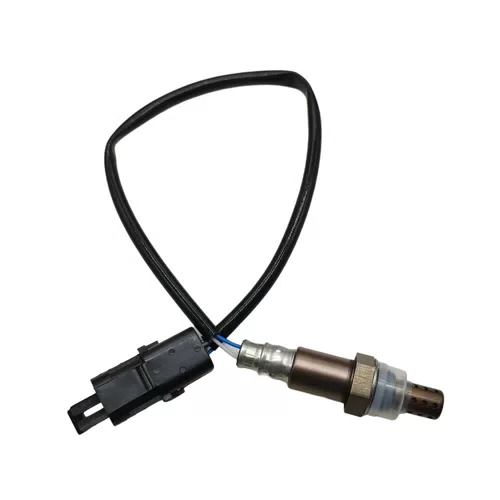
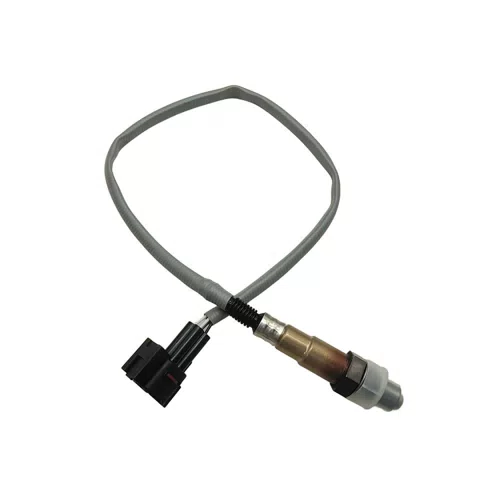
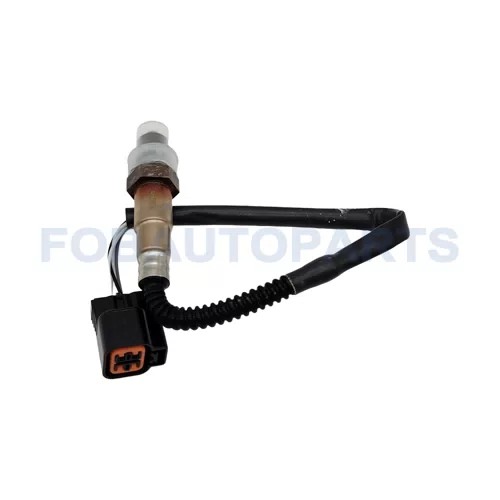
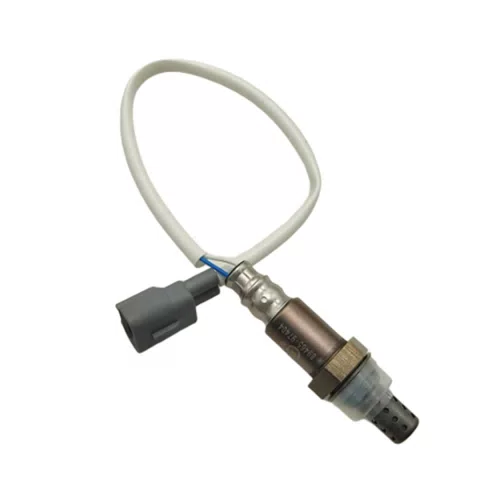
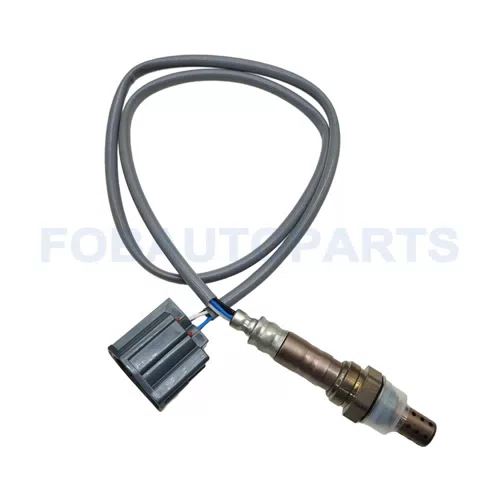
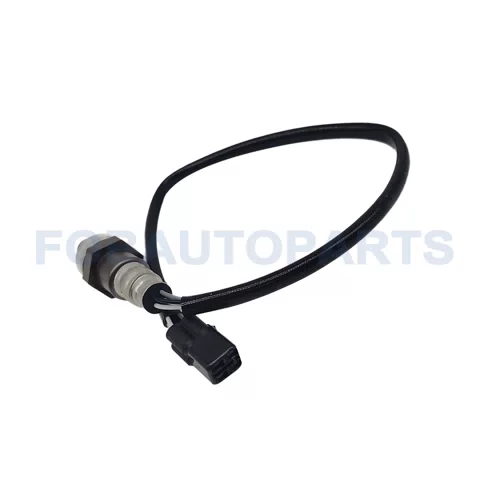
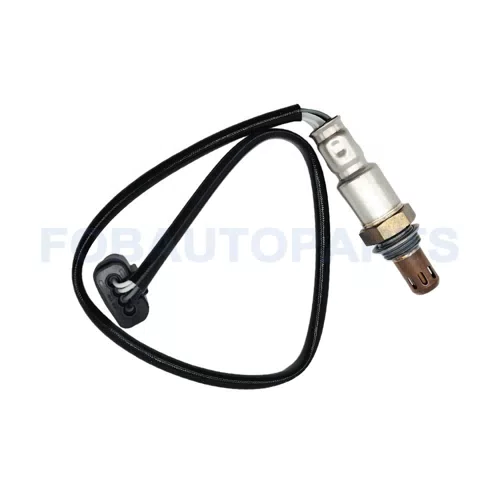
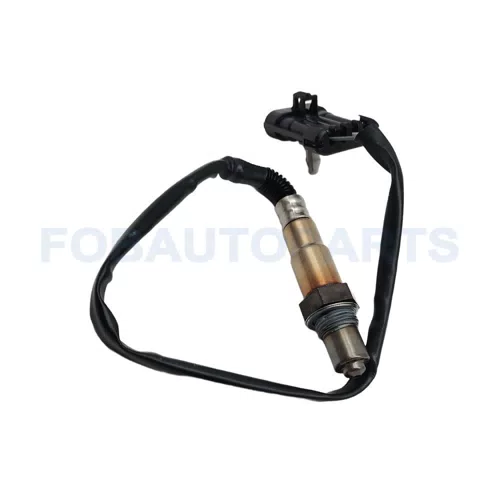
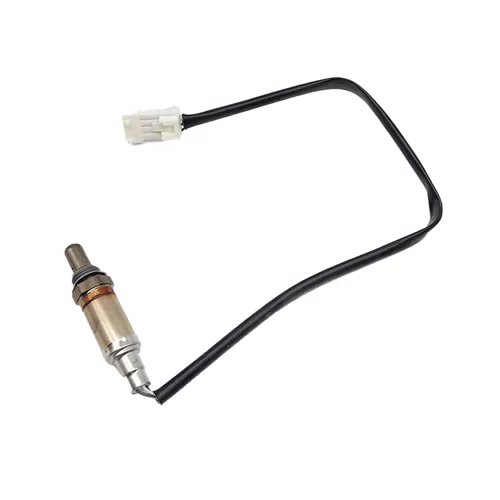
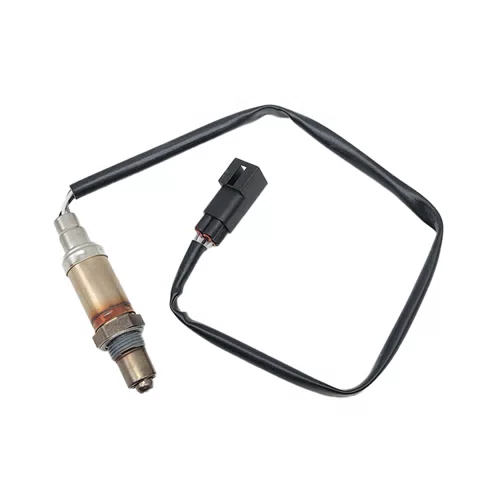
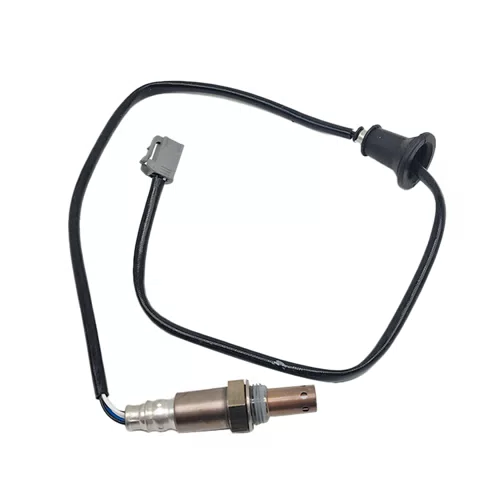
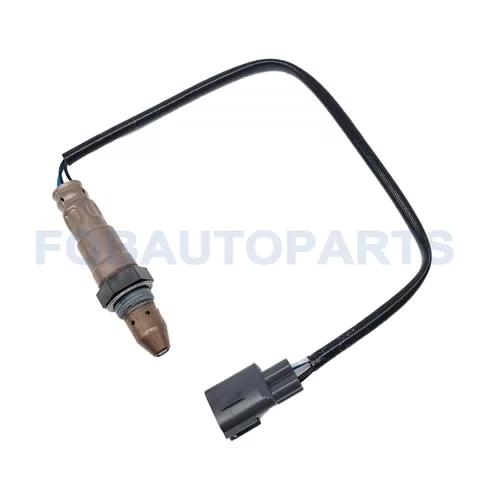
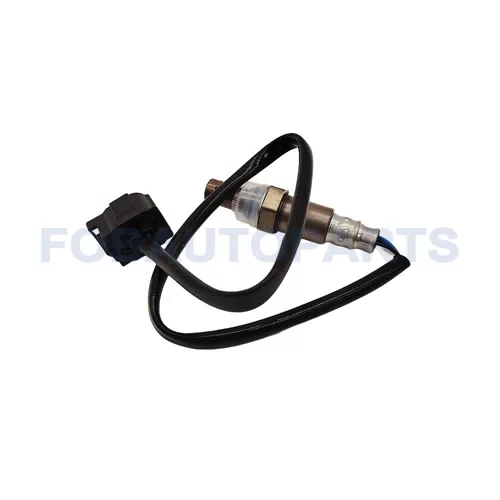
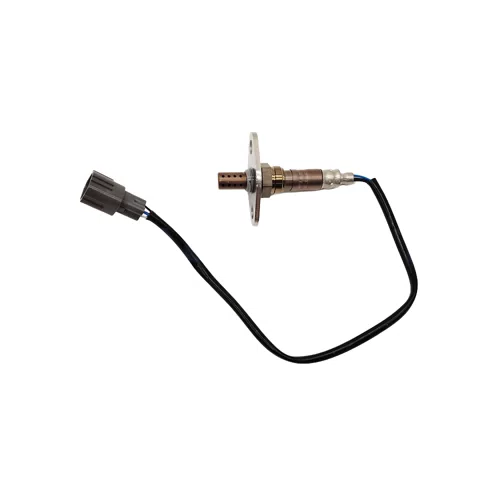
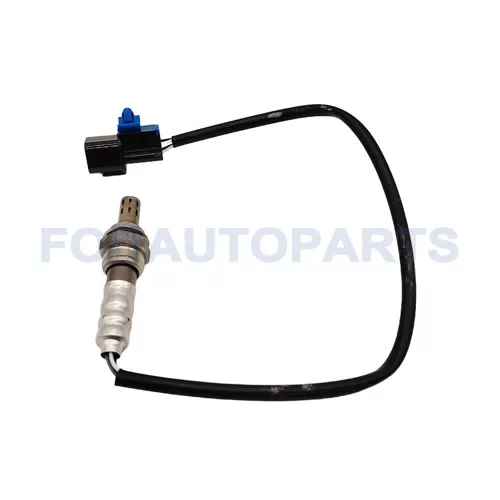
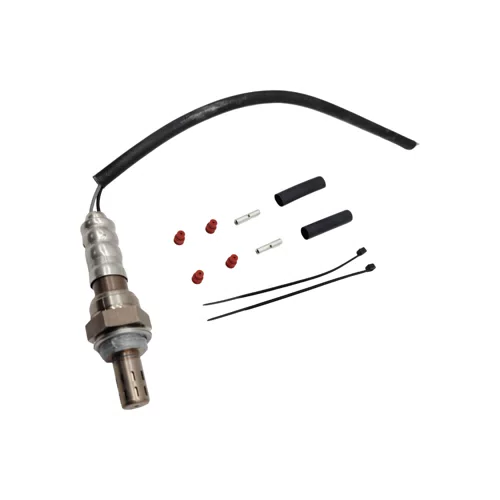
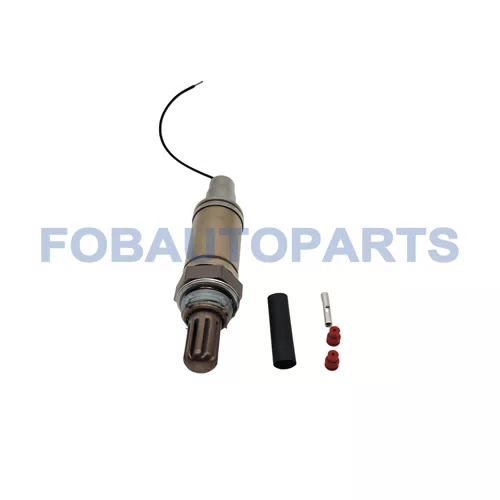
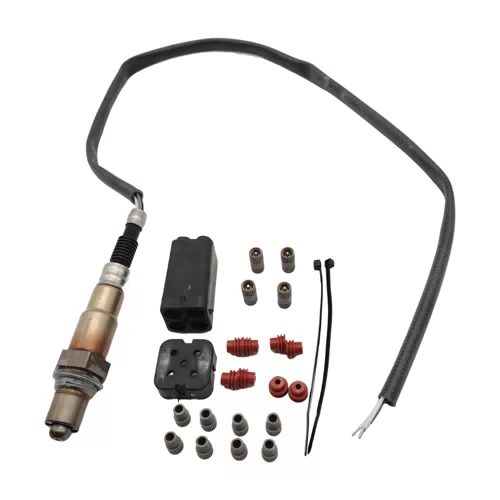
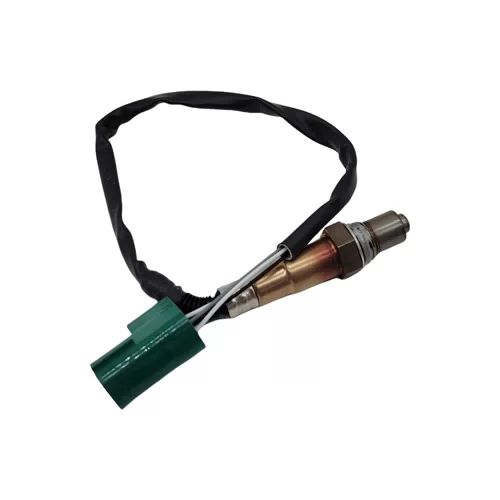
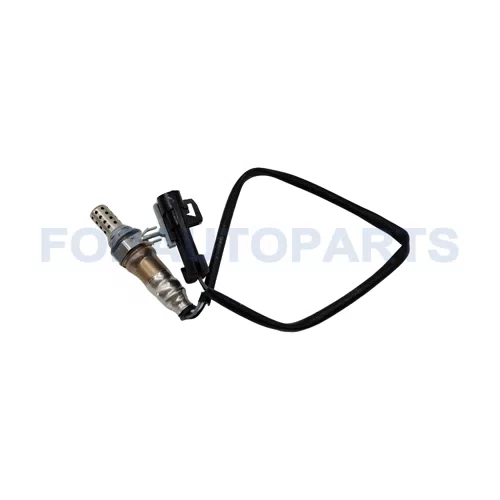
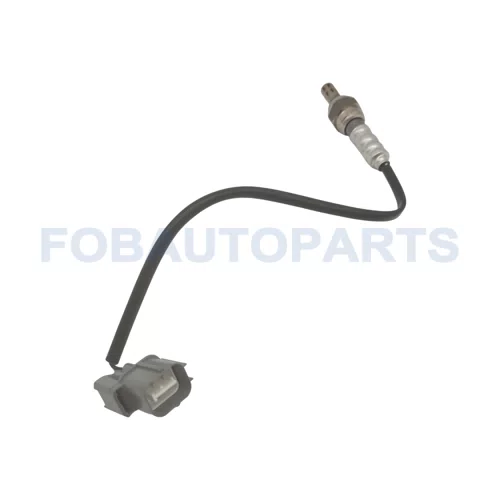
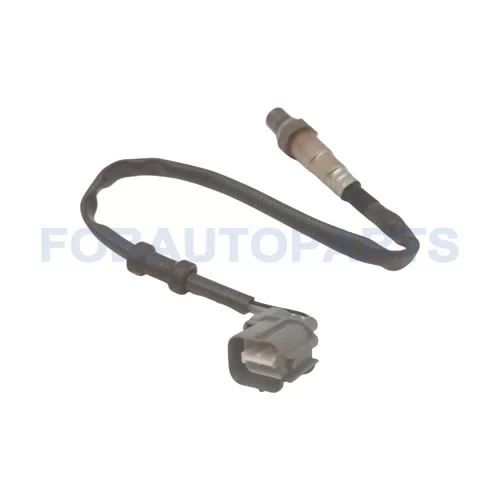
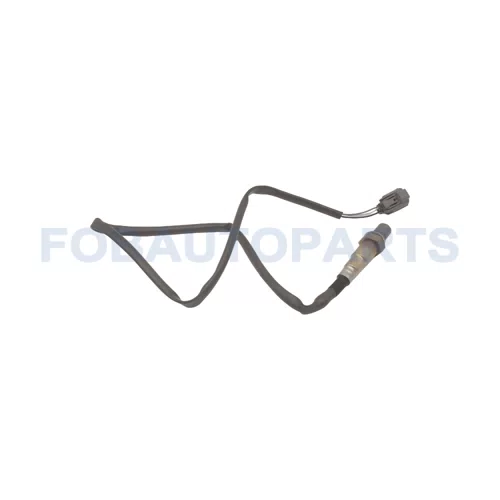
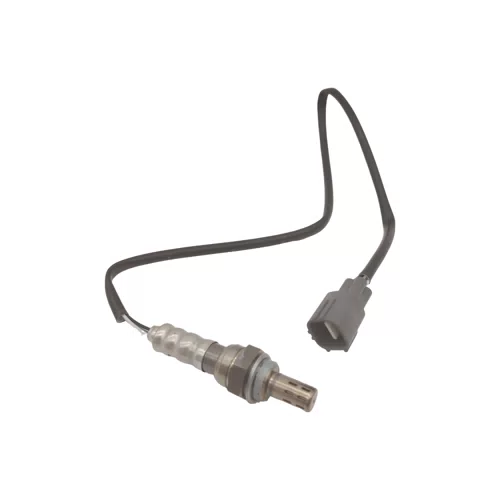
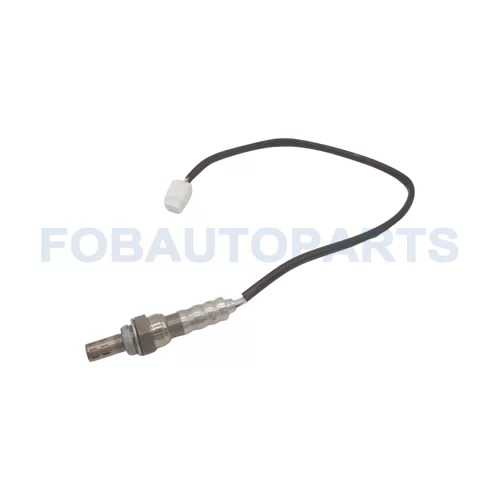
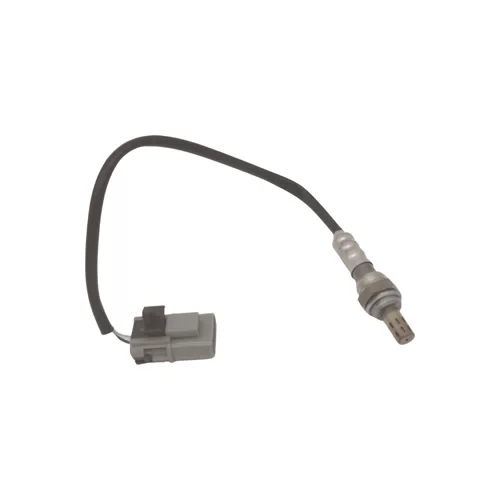
Buying Oxygen Sensors by OE number
Oxygen sensors fail in two directions. A slow sensor makes the engine run rich and costs fuel; a dead heater circuit throws a code before the sensor itself stops working. The mistake buyers make is ordering by position — upstream or downstream — without checking the connector, because the same sensor body is built with three, four and five pins and with different keyways, and none of them are interchangeable.
We list 219 oxygen and lambda sensor references for Japanese, Korean and European applications. Frequent references include 89465-0E050 and 8946547090 for Toyota four-pin applications, 1.998.602 and 10.8602 for Bosch-numbered European programs, 250-241180 and 350-341037 for US aftermarket lines. Each listing states the position, the pin count, whether the sensor is narrowband or wideband, and whether the connector is included.
For a quotation, send the OE number, the position and the pin count from the original plug. Sensor harness connectors are also stocked as separate repair items, so a damaged plug does not force a full sensor replacement — tell us if you need the connector only.
Heater circuit resistance explains a large share of oxygen sensor codes, and it is measurable before replacement. A sensor whose heater has drifted will report plausible mixture readings once hot, so the fault only appears during warm-up. If the code appears only on a cold start, check the heater circuit and its fuse before ordering a sensor.
Sensor position naming also differs between markets: what one catalogue calls bank 1 sensor 1 another calls upstream left. We quote by OE number and state the position we believe the reference serves, and we say so when a reference is used in more than one position across model years — that way the confirmation is on the record rather than assumed.
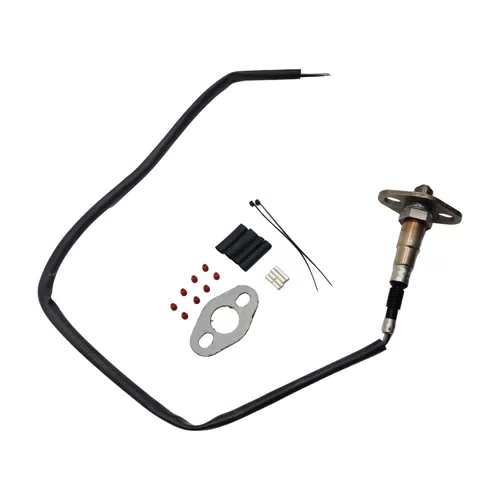
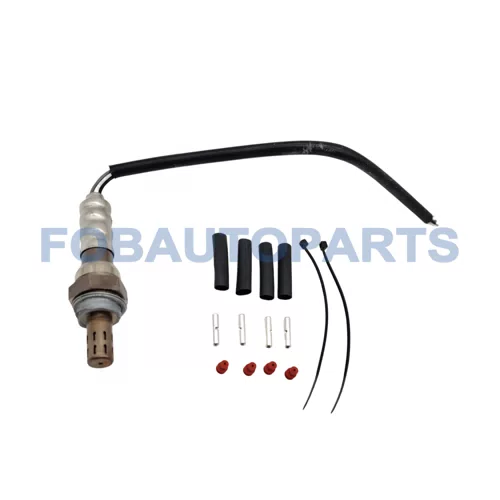
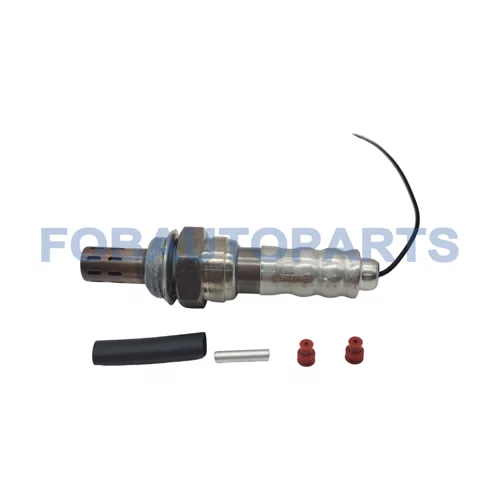
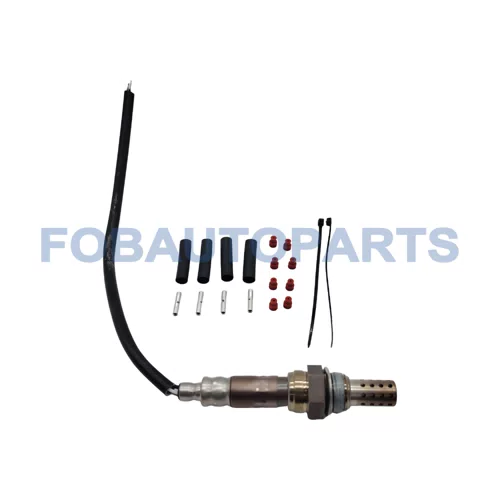
Universal sensors with a splice kit exist and we can supply them for older vehicles, but on anything with a wideband sensor the spliced joint is a reliability risk. Where a plug-and-play reference exists we quote that first and price the universal option second, so the trade-off is visible instead of hidden.
Frequently asked questions
How do I tell upstream from downstream?
Upstream (pre-catalyst) sensors control fuelling and are usually the ones that affect economy; downstream (post-catalyst) sensors monitor catalyst efficiency. The listing states the position for each reference, and the OE number confirms it.
What pin count do I need?
Count the terminals in the original connector and match the listing. Three, four and five-pin sensors are not interchangeable, and the keyway differs between them even when the pin count matches.
Narrowband or wideband — how do I know?
Wideband (air-fuel ratio) sensors are used on later engines and have a different output characteristic; the listing states which type the reference is. Ordering a narrowband sensor for a wideband application will not work, whatever the thread size.
Do you supply the connector or pigtail separately?
Yes. Waterproof connector shells, terminals and pigtails for sensor harnesses are stocked as repair items, so a broken plug can be fixed without replacing a working sensor.
Is the sensor supplied with a new gasket or seal?
Where the original design uses a crush washer or a graphite ring it is included with the sensor. Tell us if you need additional seals for workshop stock.
Can you cross-reference a Bosch or Denso number?
Yes. Send the number printed on the old sensor and we will confirm the equivalent reference and its position and pin count before quoting.
Related categories
Send your OE list for a quotation
Tell us the OE numbers, quantities and destination port. We confirm fitment against your references and quote with export packing options.