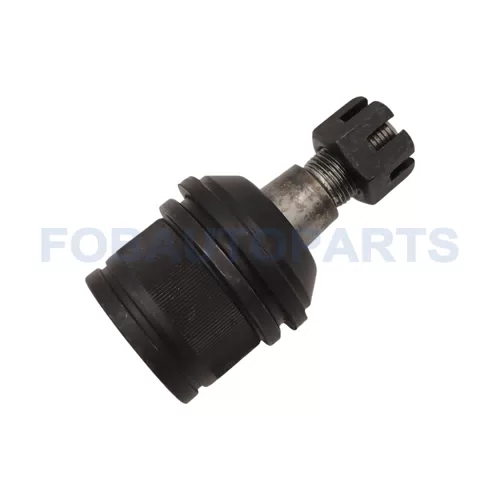
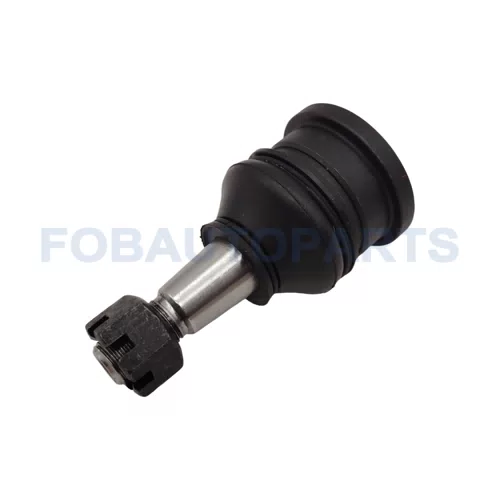
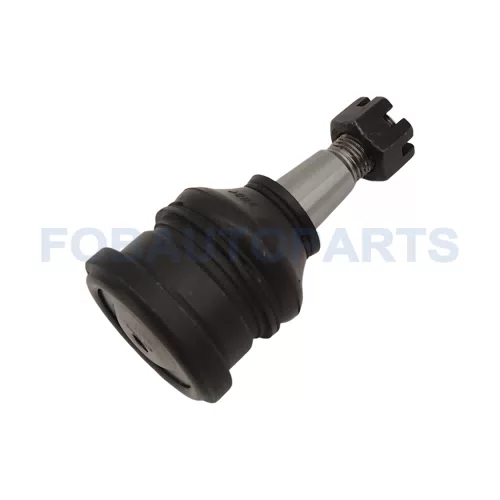
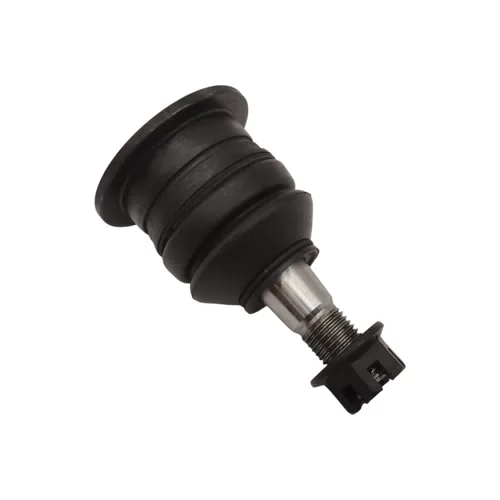
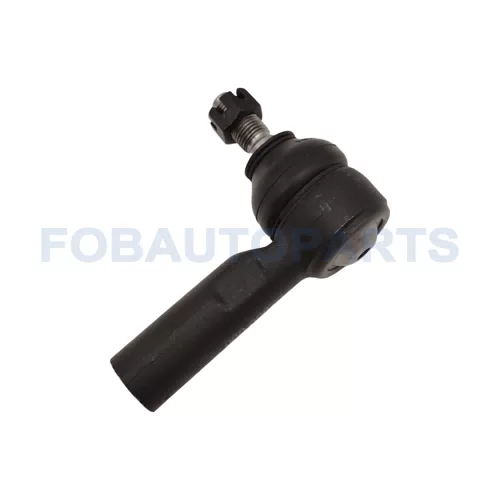
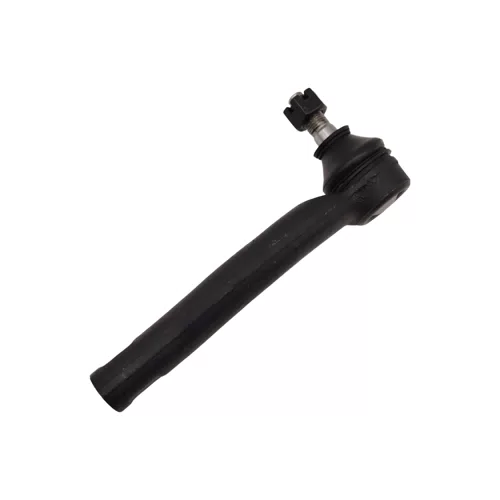
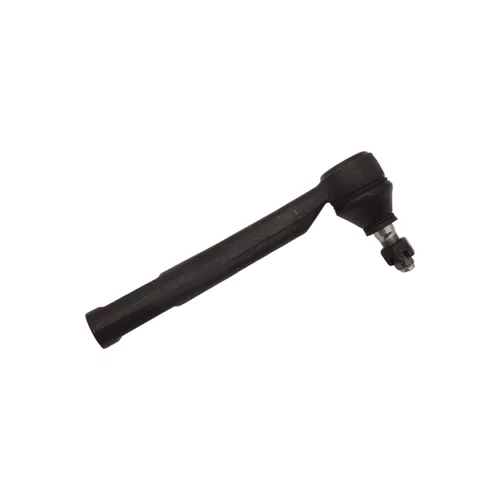
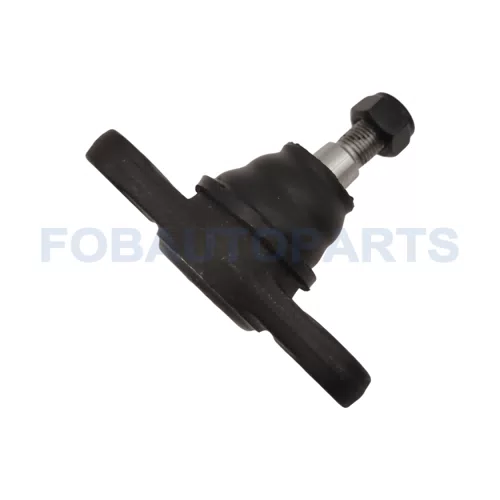
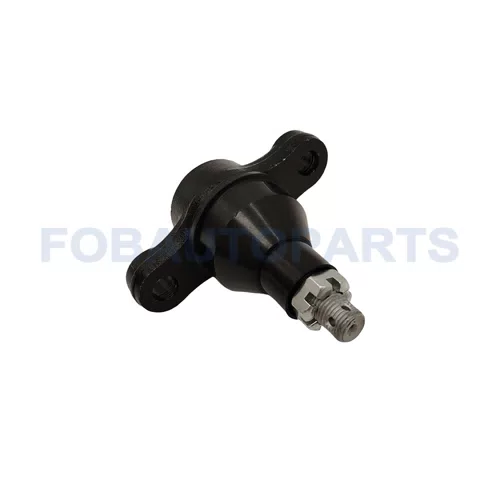
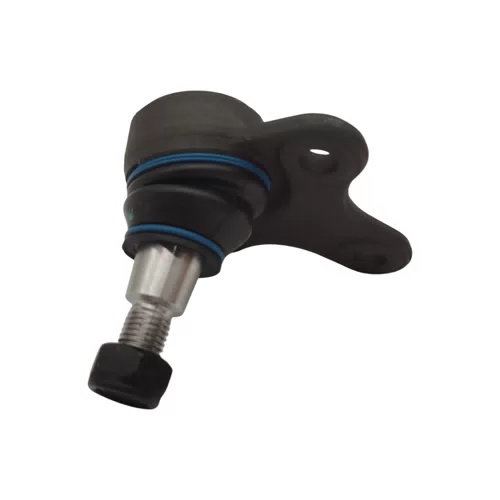
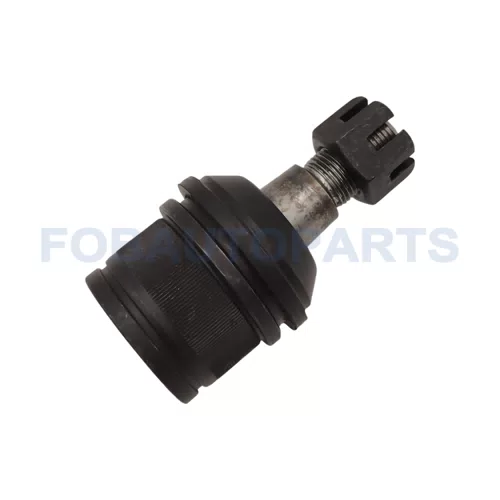
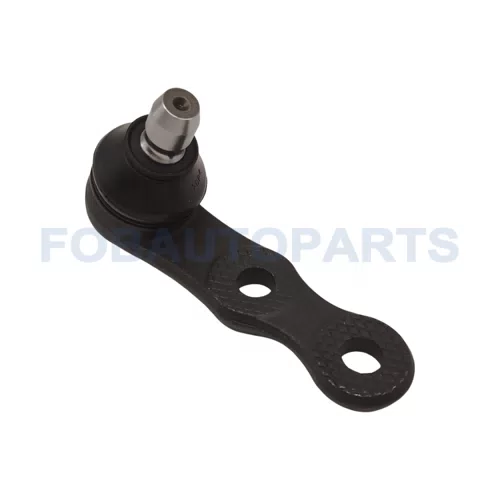
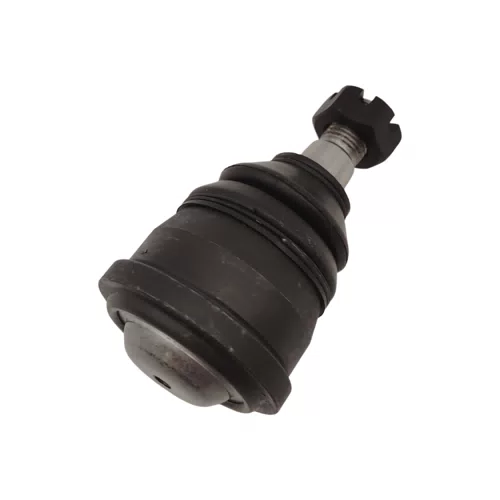
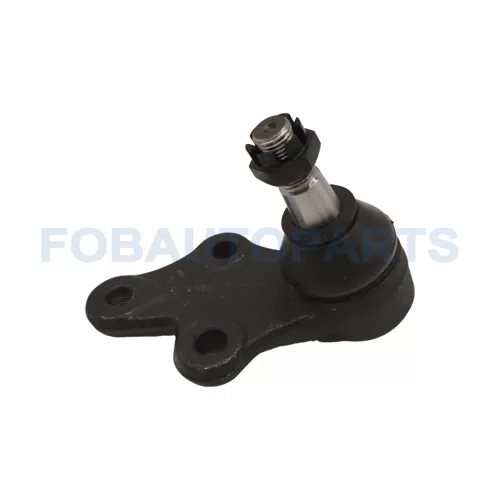
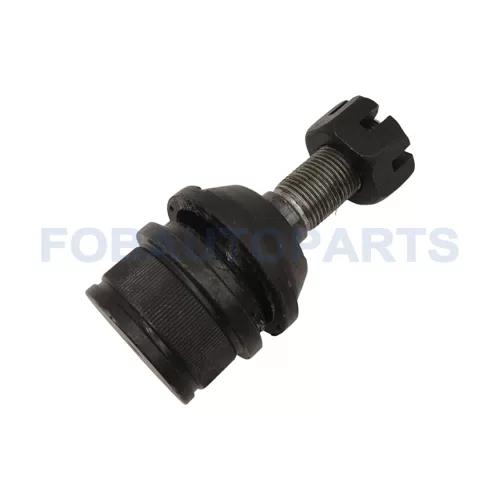
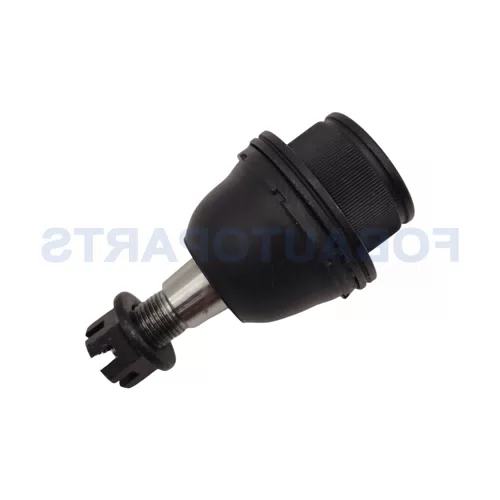
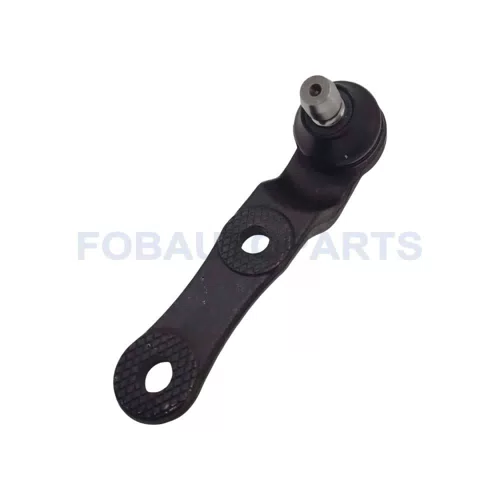
Browse 26 Ball Joints part numbers with OE cross-reference and fitment notes for passenger cars, SUVs, pickups and vans. Export packing available - send an inquiry for price and lead time.
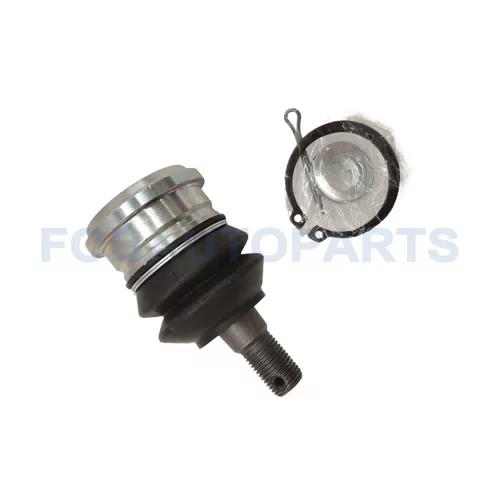
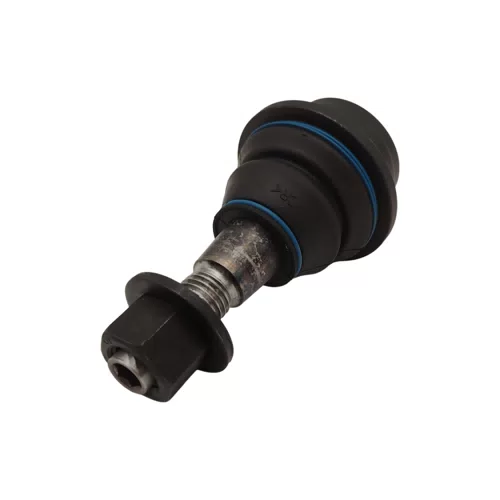
A ball joint is the pivot between the suspension arm and the steering knuckle. The lower joint carries the weight of the car, the upper joint on a double wishbone layout controls camber and takes the cornering load, and both have to allow the arm to swing up and down while holding the knuckle in place. The joint is a ball stud in a socket, sealed by a rubber boot and, on serviceable types, fitted with a grease nipple. When the boot splits the grease is thrown out, water and grit get in, and the socket wears until there is visible play.
This category carries 26 references. The Toyota group is the largest: 43340-39245 for RAV4, 43340-19025 for Corolla 1986-2003, 43308-59095, 43308-59065 and 43308-59035 for Yaris, Vitz and Platz, 43310-09030 and 43310-09015 for Hilux, 43310-39016 for Land Cruiser, and 43330-39585 for the 1996-2002 4Runner. Ford applications are covered by 4C3Z-3049-DB as an upper joint, 8C3Z-3050-D as a lower joint for the 2017-2023 trucks, and 94FB3395BA for Puma. General Motors numbers include 12475478 for Avalanche, 19209396, and 10355407, 15922557 and 25788110 on a shared body. The older GM rear-drive family runs K-6145 for Camaro, Chevelle and Impala. Opel and Chevrolet Corsa and Combo use 93325022 and 90295324, Hyundai and Kia Tucson, Sportage and Sonata use 51760-2E000 and 51760-3K000, and Chery Tiggo and A3 use M11-2909060.
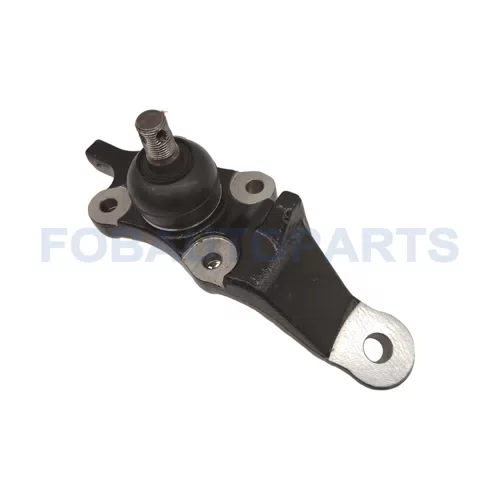
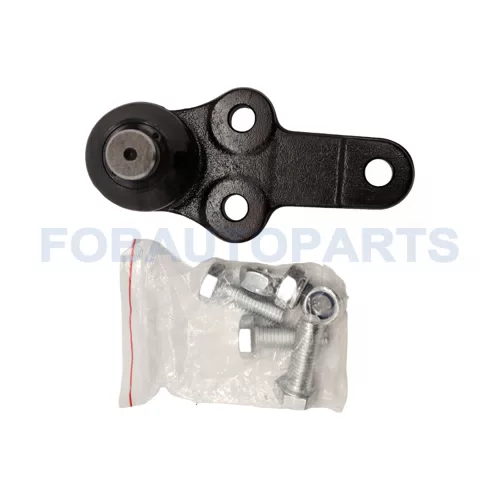
The first thing that decides fit is how the joint attaches. A press-in joint is held by the interference fit of its housing in the arm and is removed with a press or a ball joint tool; a bolt-on joint is held by two or three bolts and sometimes by rivets that have to be drilled out. The two are not interchangeable even where the stud and taper look identical, because the housing diameter and the bolt pattern differ. After that come the taper of the stud and its thread, whether the joint is upper or lower, whether it is supplied with the nut and the boot, and on some models whether the arm is steel or aluminium, which takes a different joint and a different fitting torque.
Play is checked with the weight off the joint: jack under the suspension arm so the spring is still loaded, then rock the wheel at the twelve and six position while watching the joint. Movement between the housing and the stud is wear. Lifting the car by the frame instead lets the suspension hang and the spring pressure hides the play, which is the most common reason a worn joint passes inspection. A boot that is split, or a joint that will not take grease, is failing even before play appears.
The symptoms are a single clunk over speed bumps, a steering wheel that feels loose on centre, camber that has moved, and a tyre worn on the inside shoulder. A squeak over bumps is often the joint running dry rather than a worn socket. Order by the OE number together with the position on the car, front or rear and upper or lower, and state whether the arm is aluminium where that applies. A photograph of the old joint showing the housing and the stud is the quickest way to confirm the type.
Jack under the suspension arm, not under the frame, so the spring stays loaded, then rock the wheel at the twelve and six position with your hands and watch the joint for movement between the housing and the stud. Any perceptible play means replacement. With the car hanging in the air the spring pressure is off the joint and real play can be hidden.
On a bolt-on or press-in joint, yes, as long as the arm itself is sound and its seat is not worn oval. On many modern vehicles the joint is riveted or integral to the arm, and then the complete arm is the service part. Check whether the listing is the joint alone or the joint with the arm before ordering.
Usually because the joint was installed with the boot twisted, without grease, or with the nut tightened while the suspension was hanging at full droop. Tightening at full droop preloads the joint and tears the boot on the first bump. Torque the nut with the suspension at ride height and check that the boot sits square.
Yes. A joint with play lets the knuckle move under load, so the camber and toe readings change with load and the alignment cannot hold. Align the car after replacement, and never align a car with a known worn joint because the reading will not repeat.
No. They differ in taper direction, stud length, housing diameter and load rating, and on double wishbone cars they carry different loads. Even where the same OE family is used across a range, the upper and lower numbers are distinct.
Yes. Send the number from the old joint, the position on the car and a photograph of the housing and stud. We confirm against the reference you supply and state it on the quotation. Where a reference covers only part of a model range we list the applications we can confirm rather than claiming a general fit.
Tell us the OE numbers, quantities and destination port. We confirm fitment against your references and quote with export packing options.