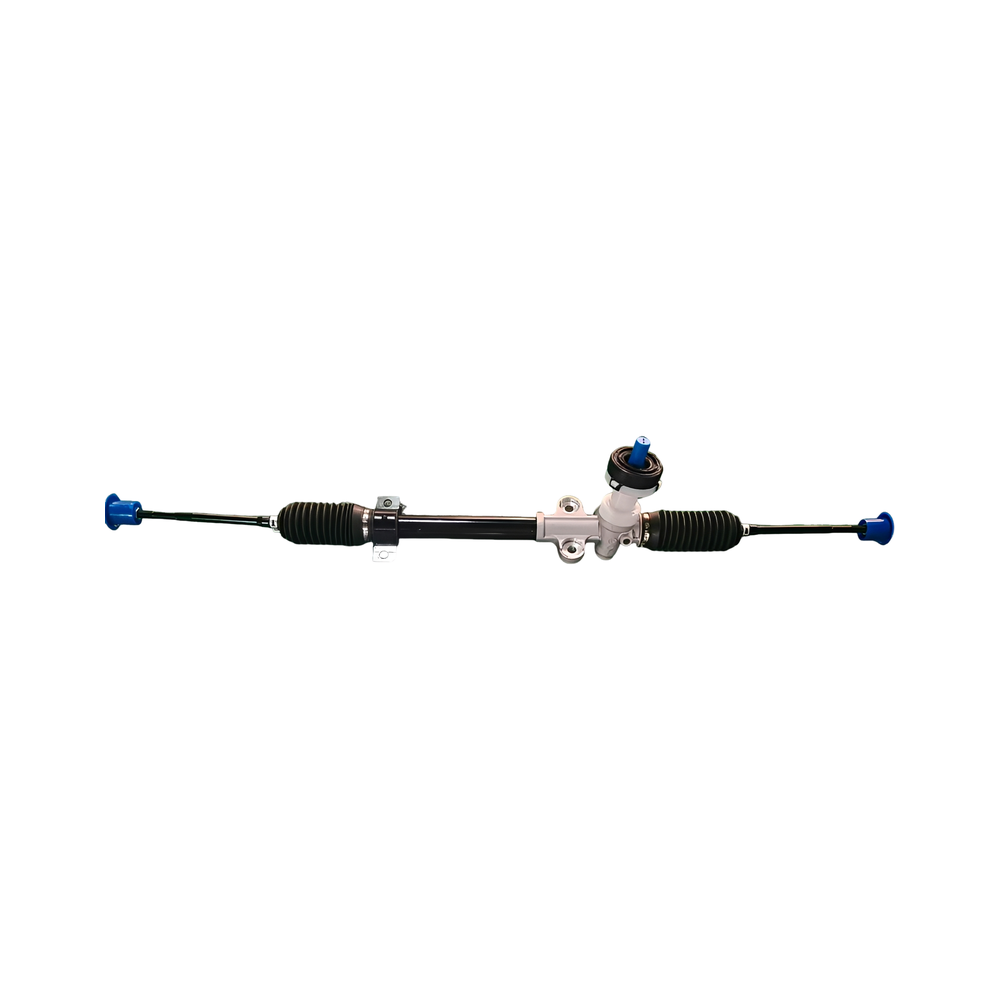
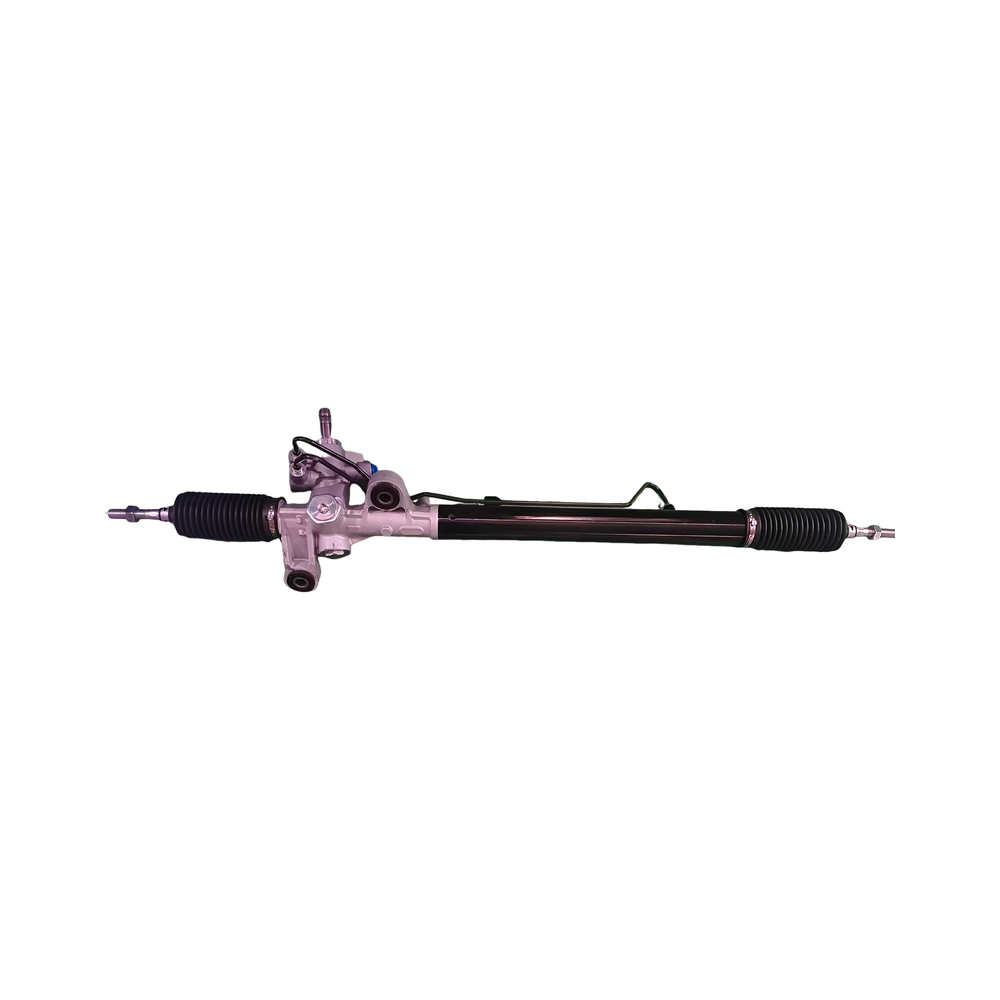
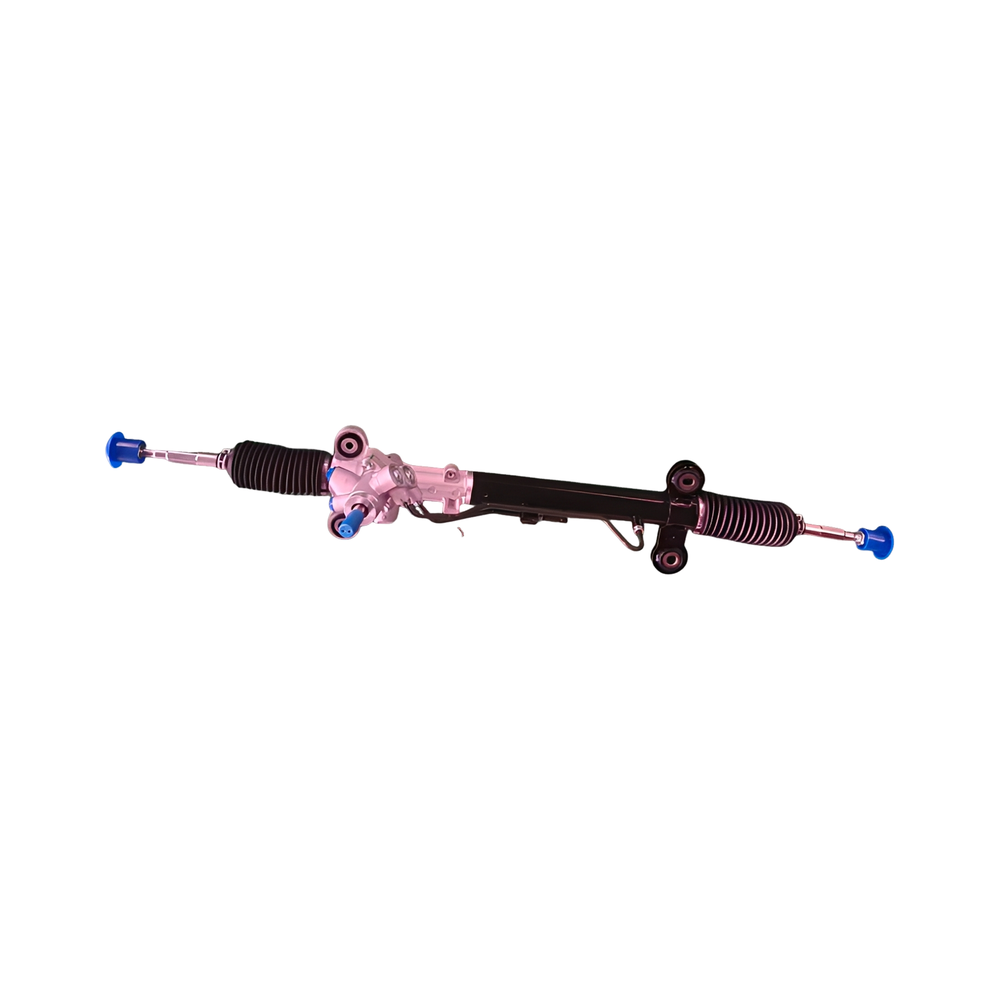
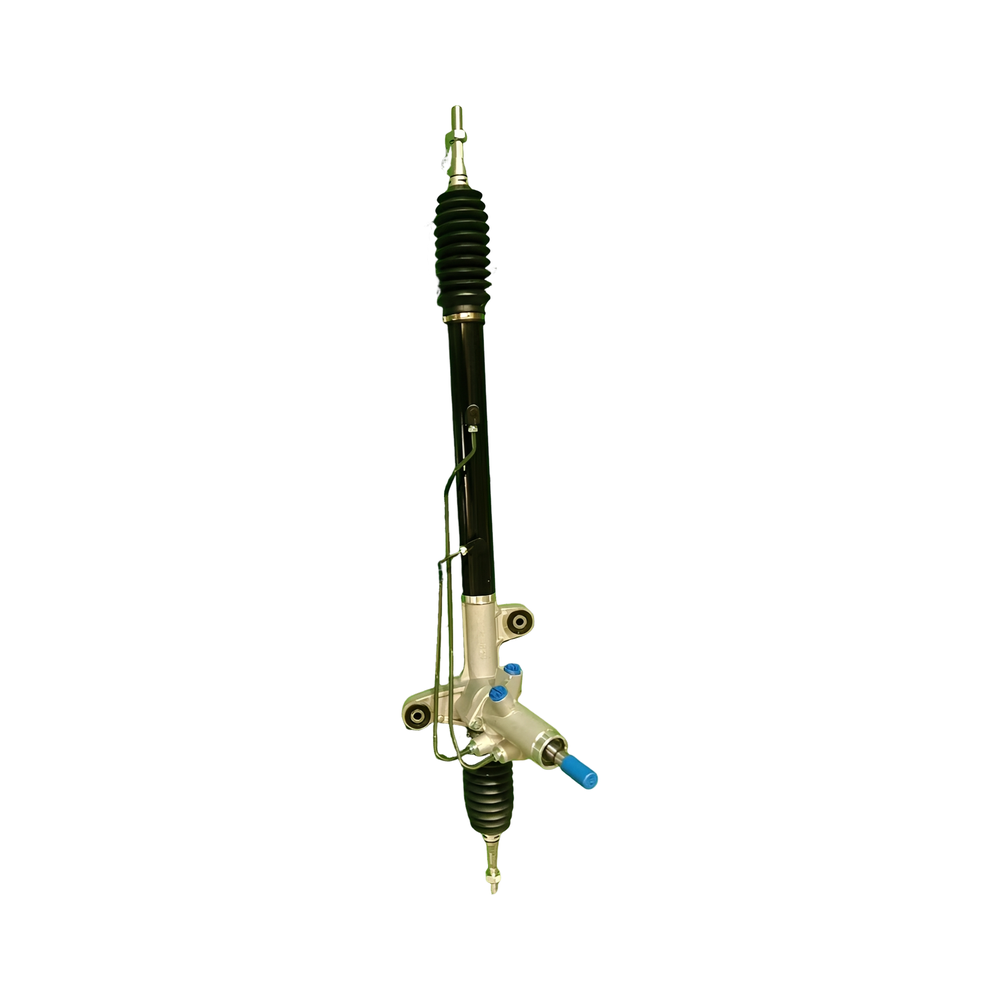
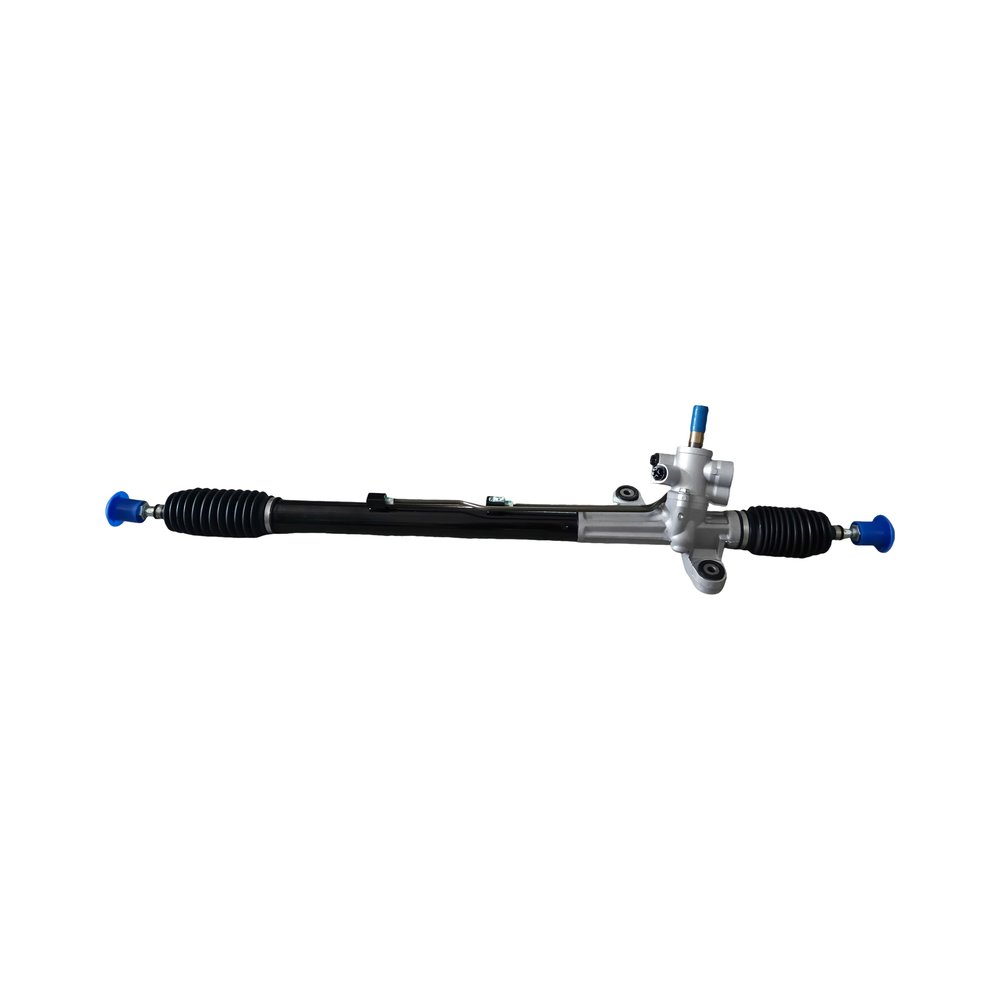
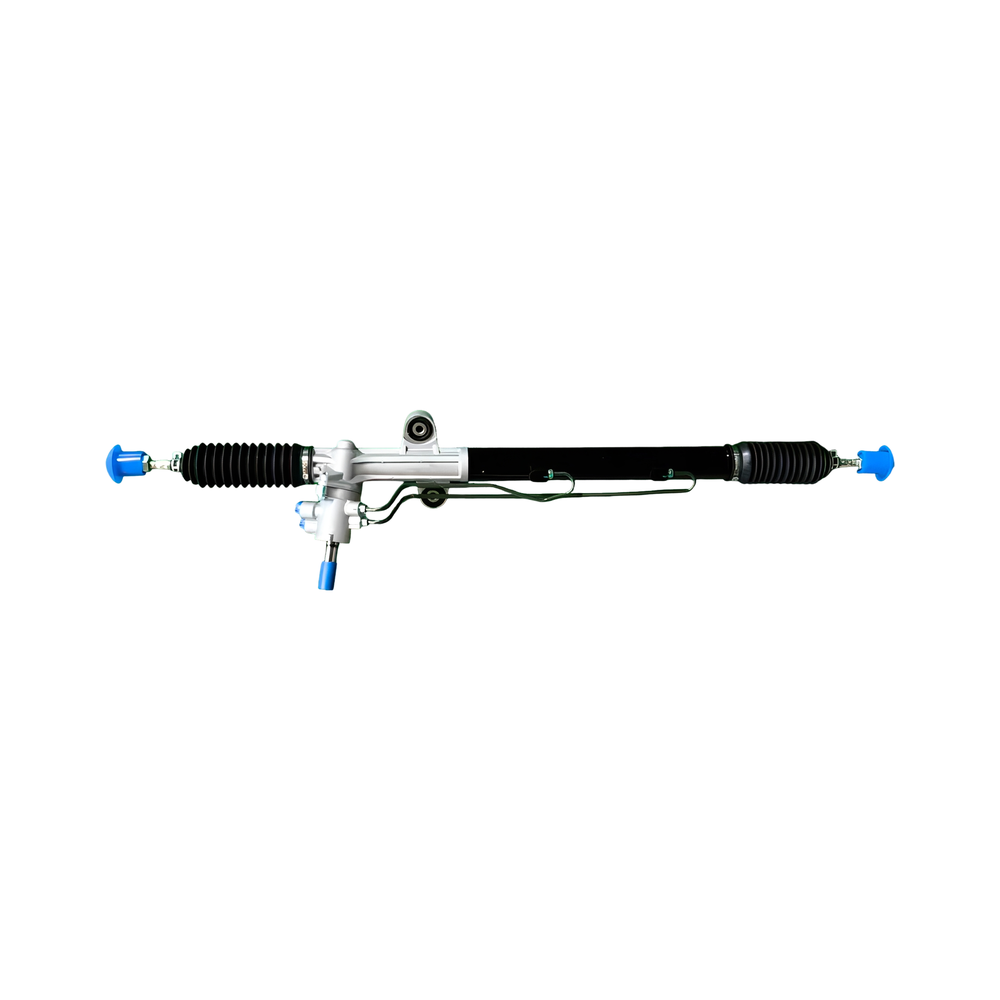
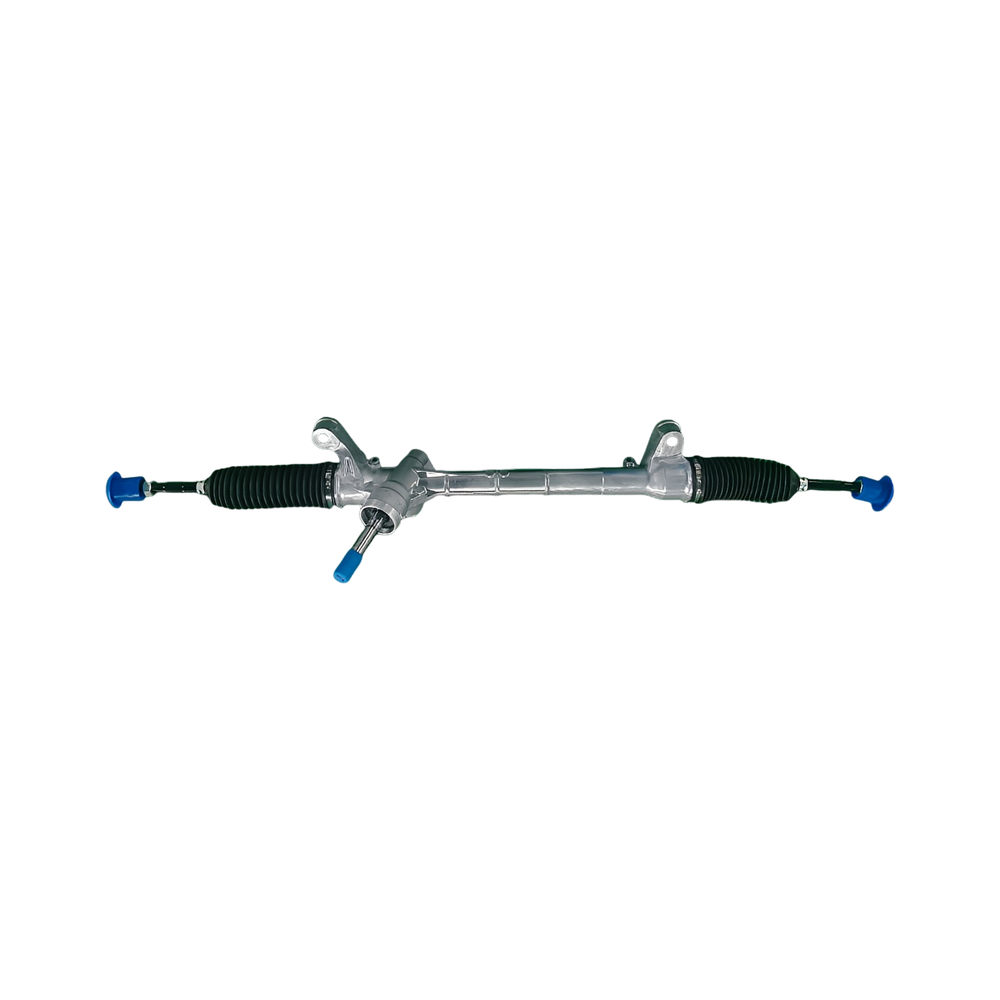
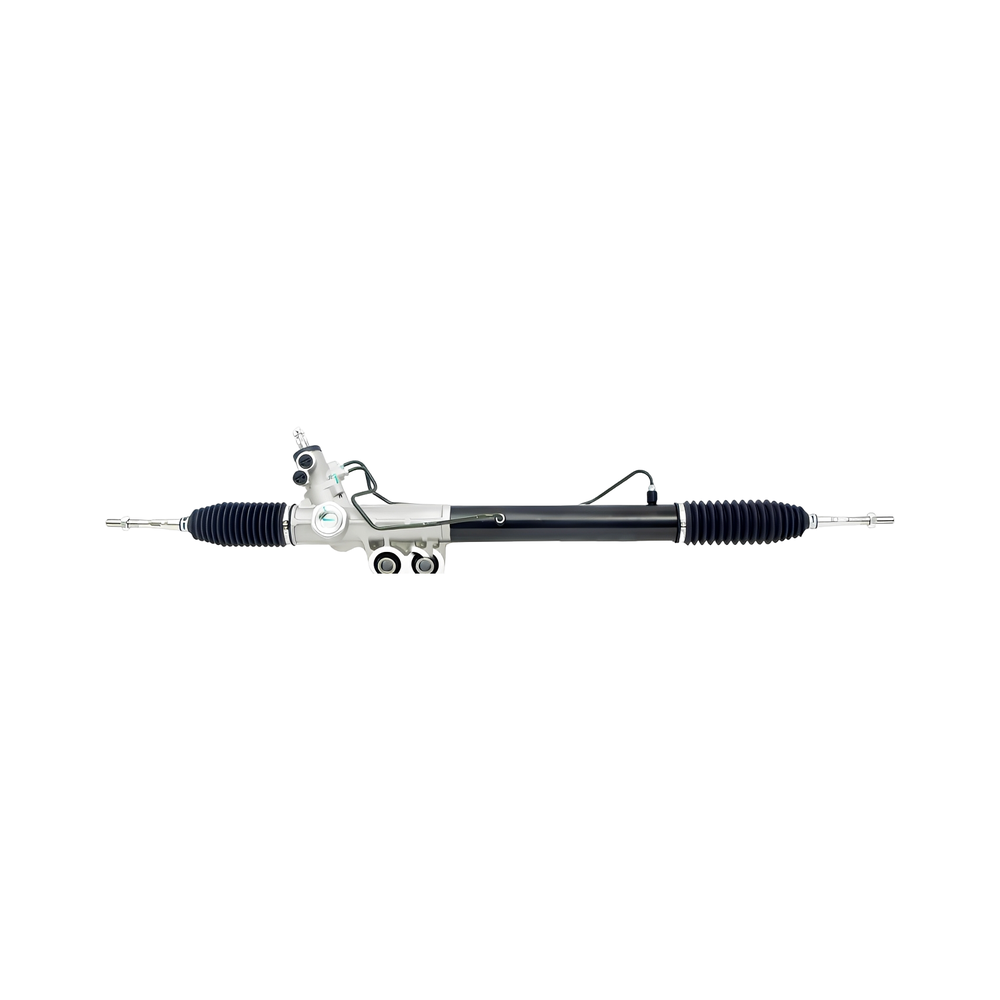
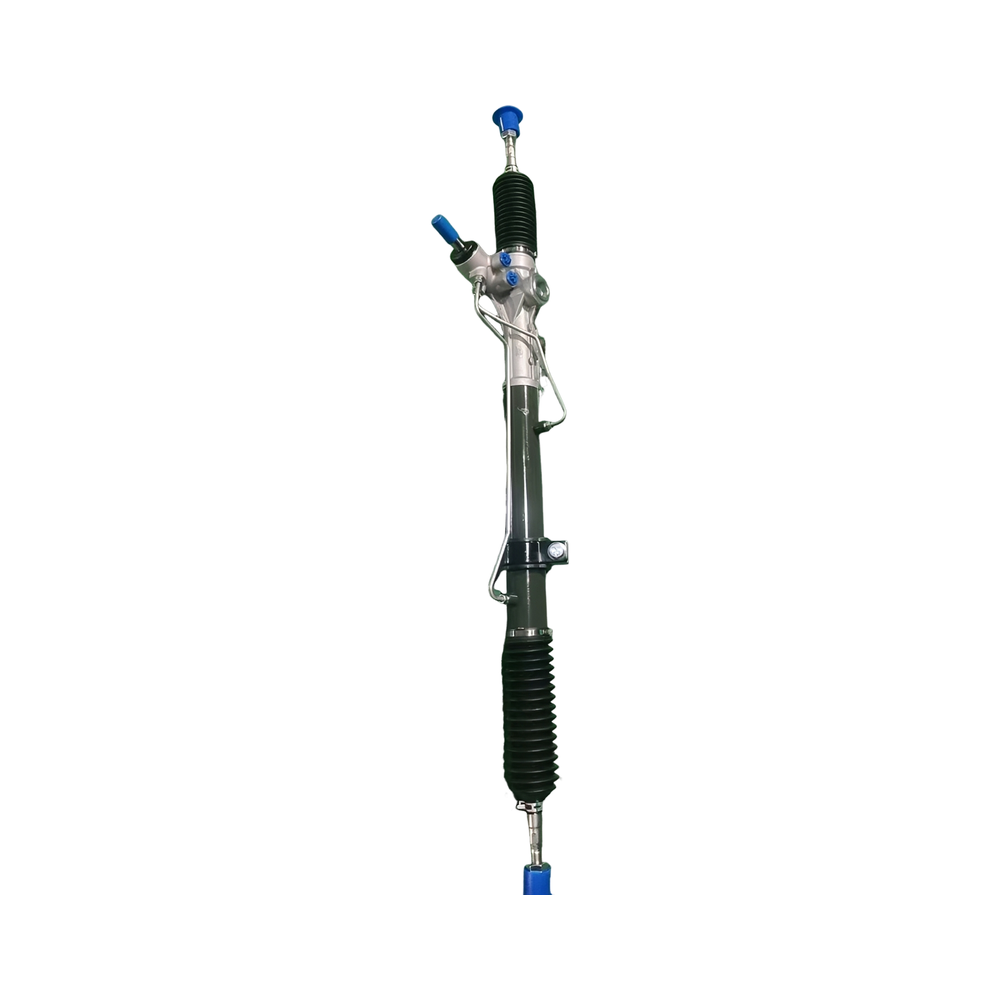
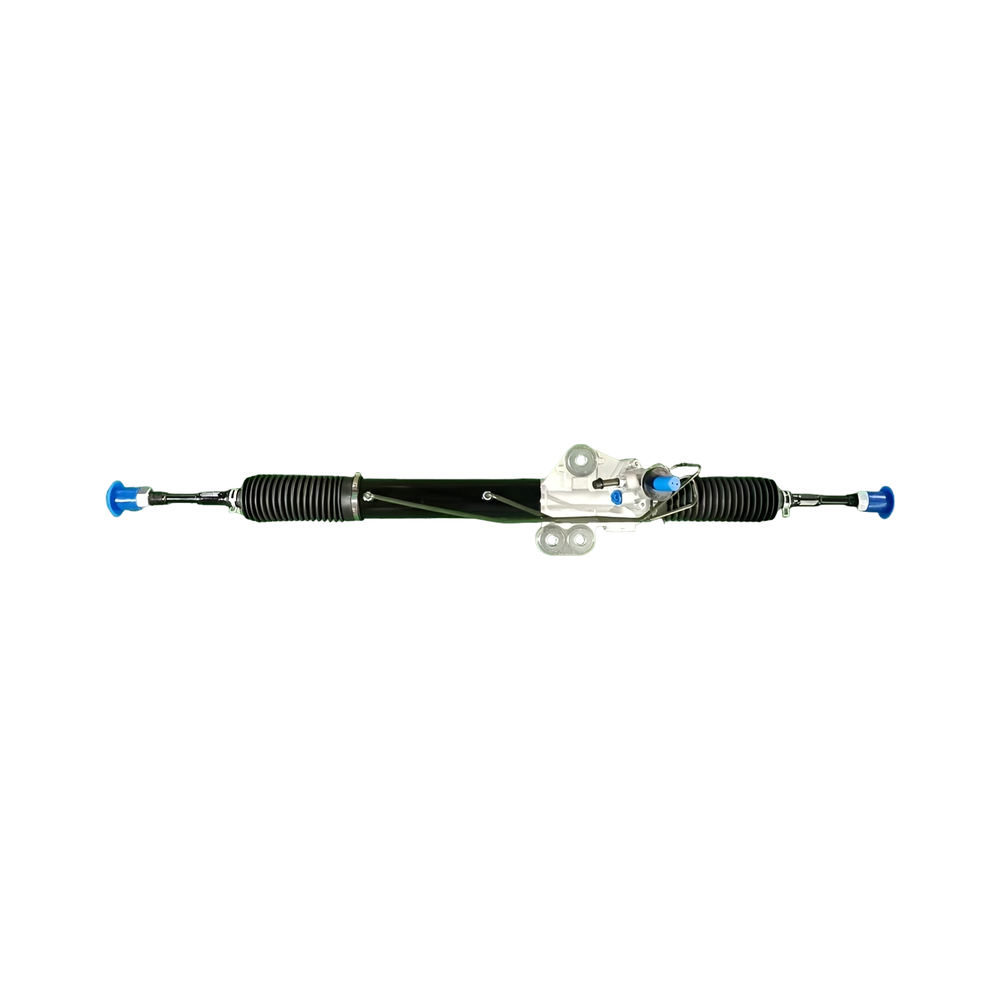
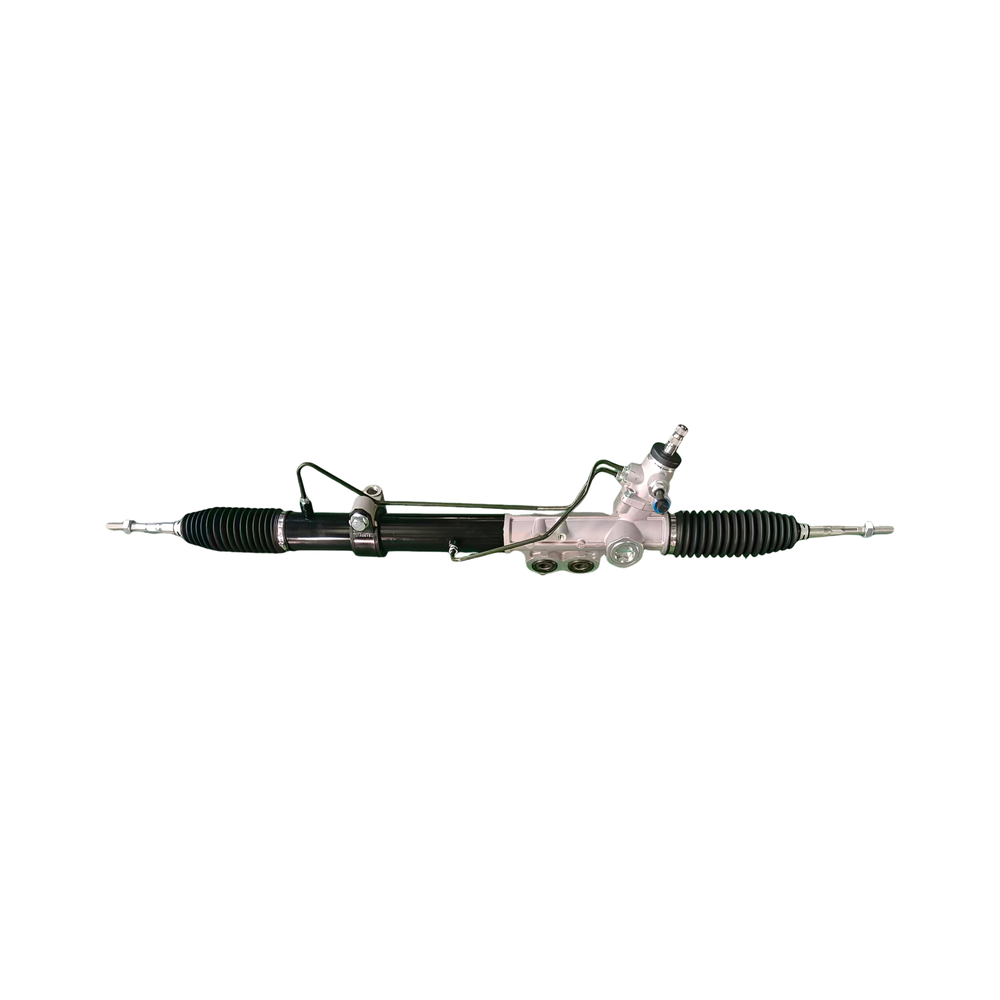
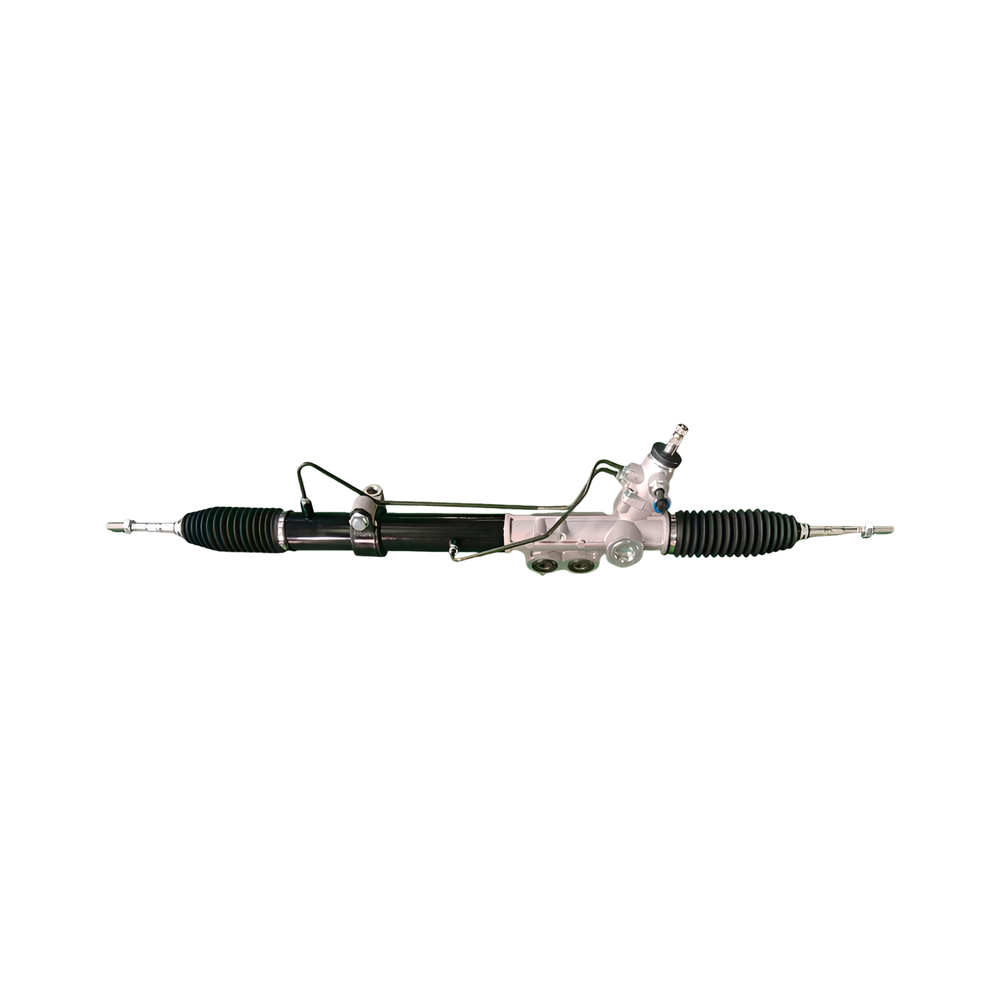
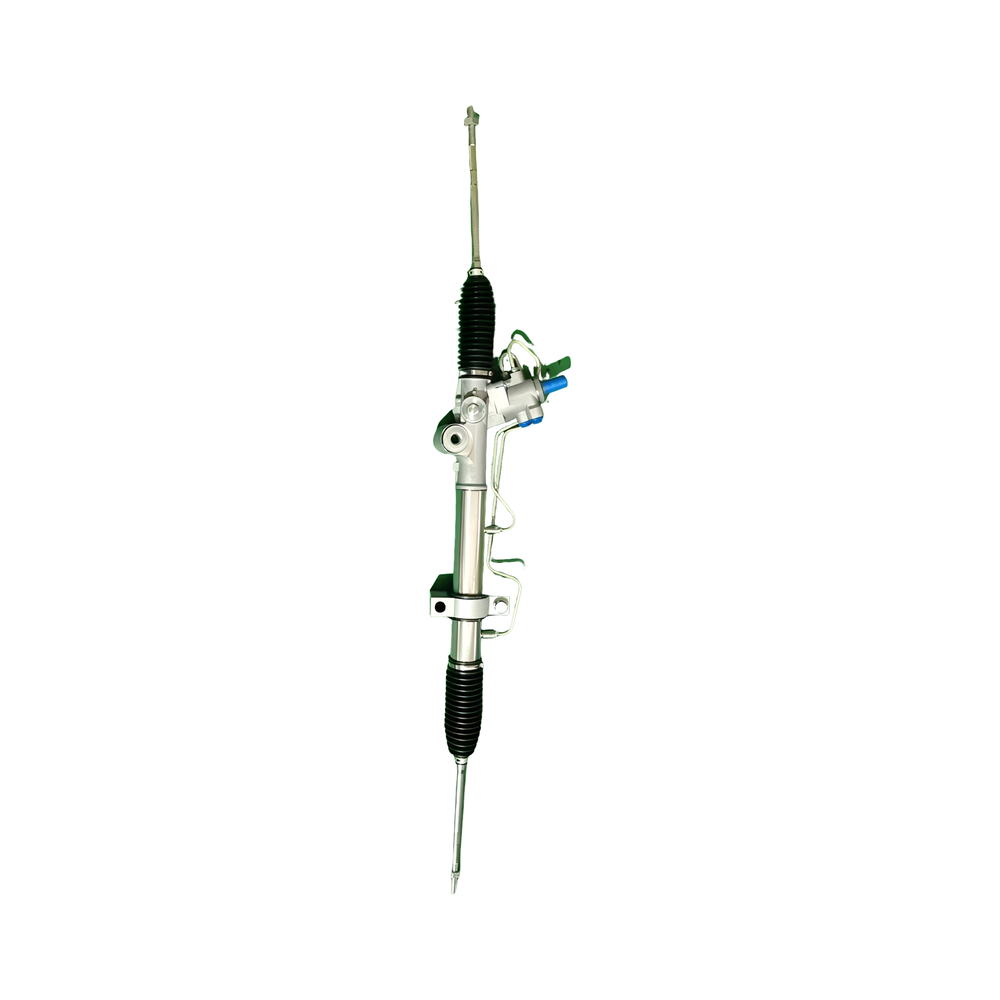
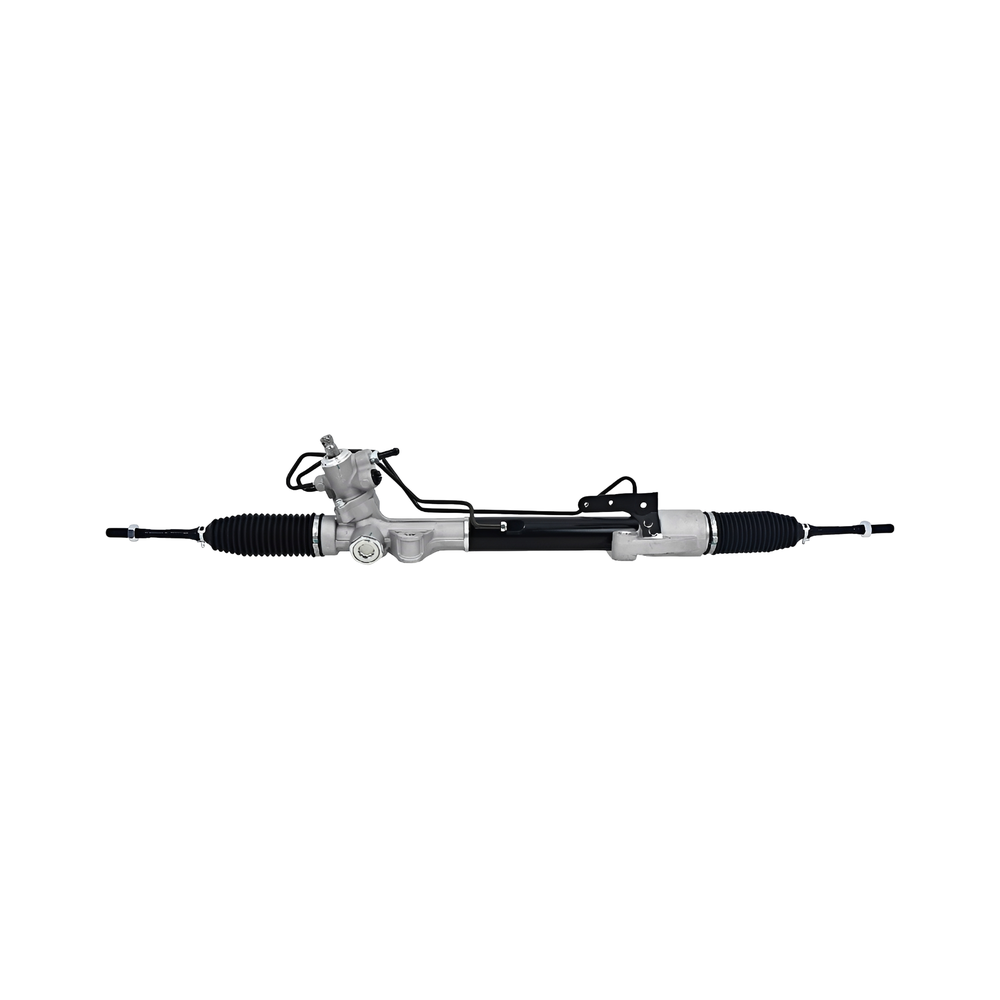
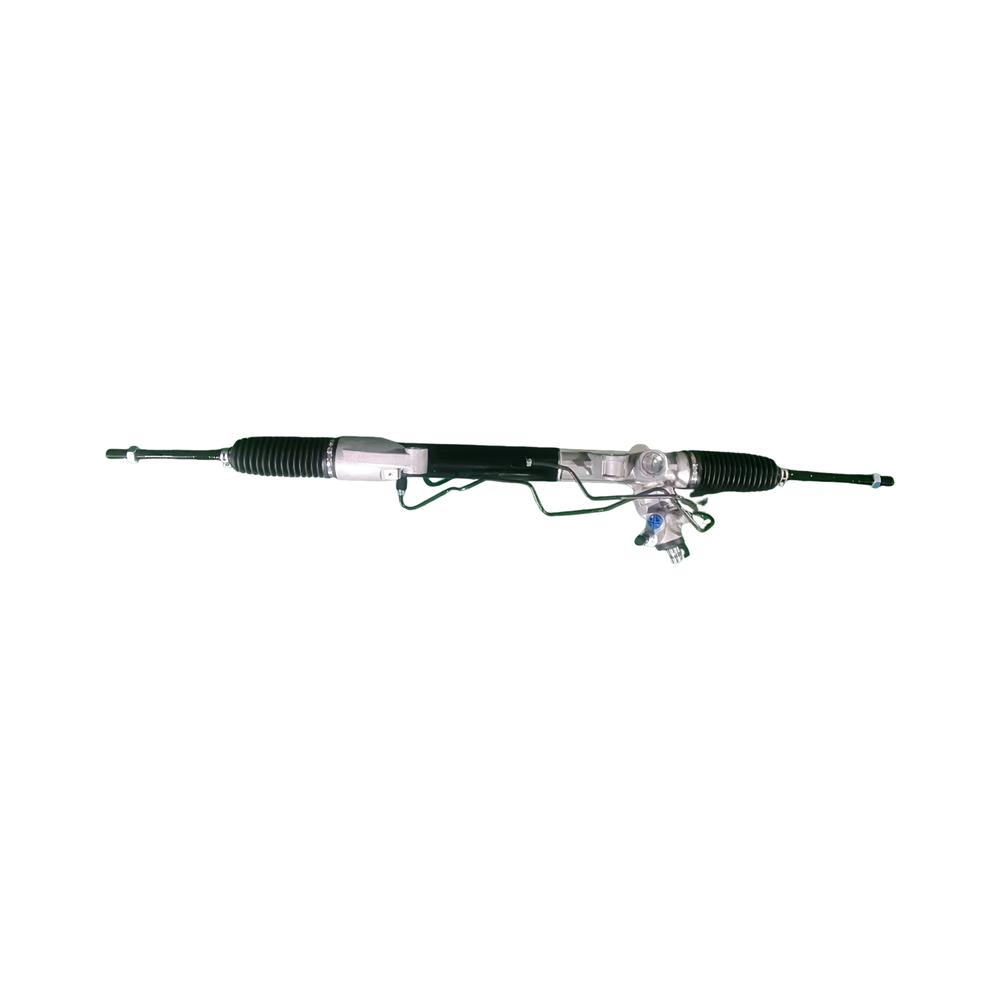
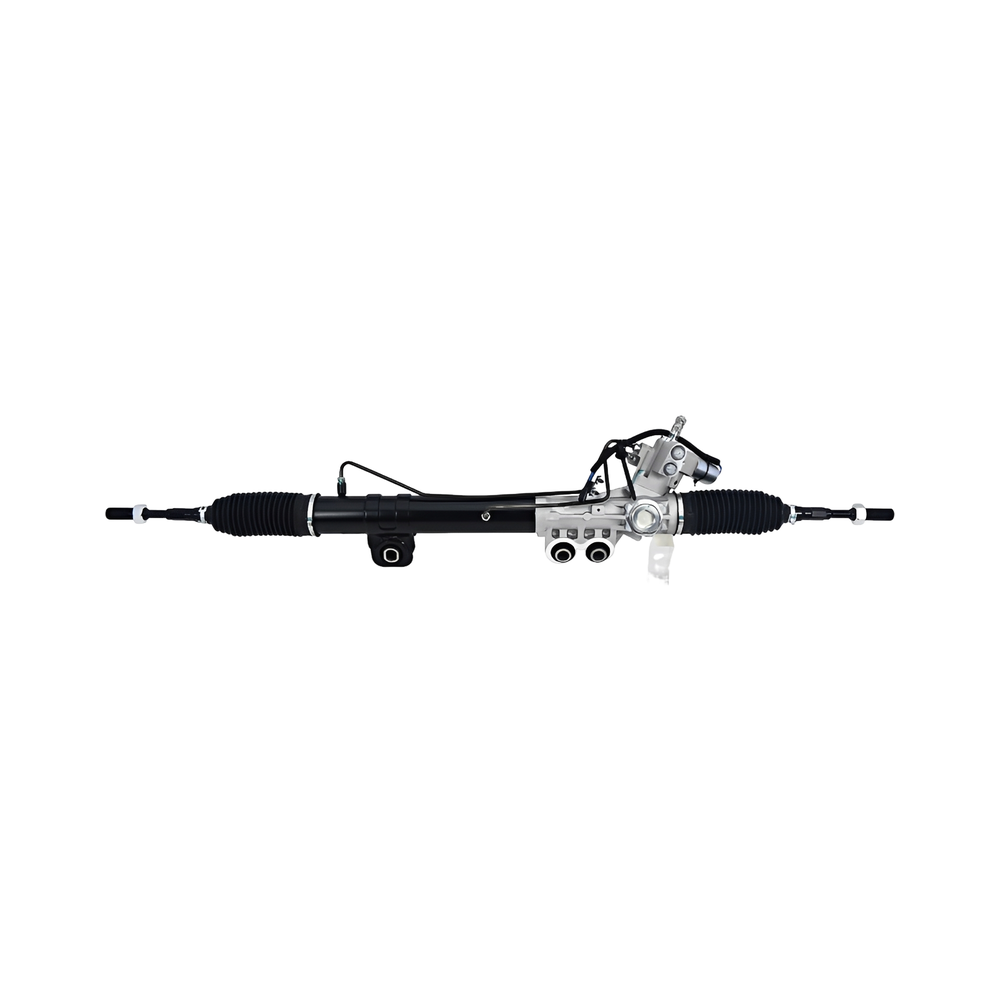
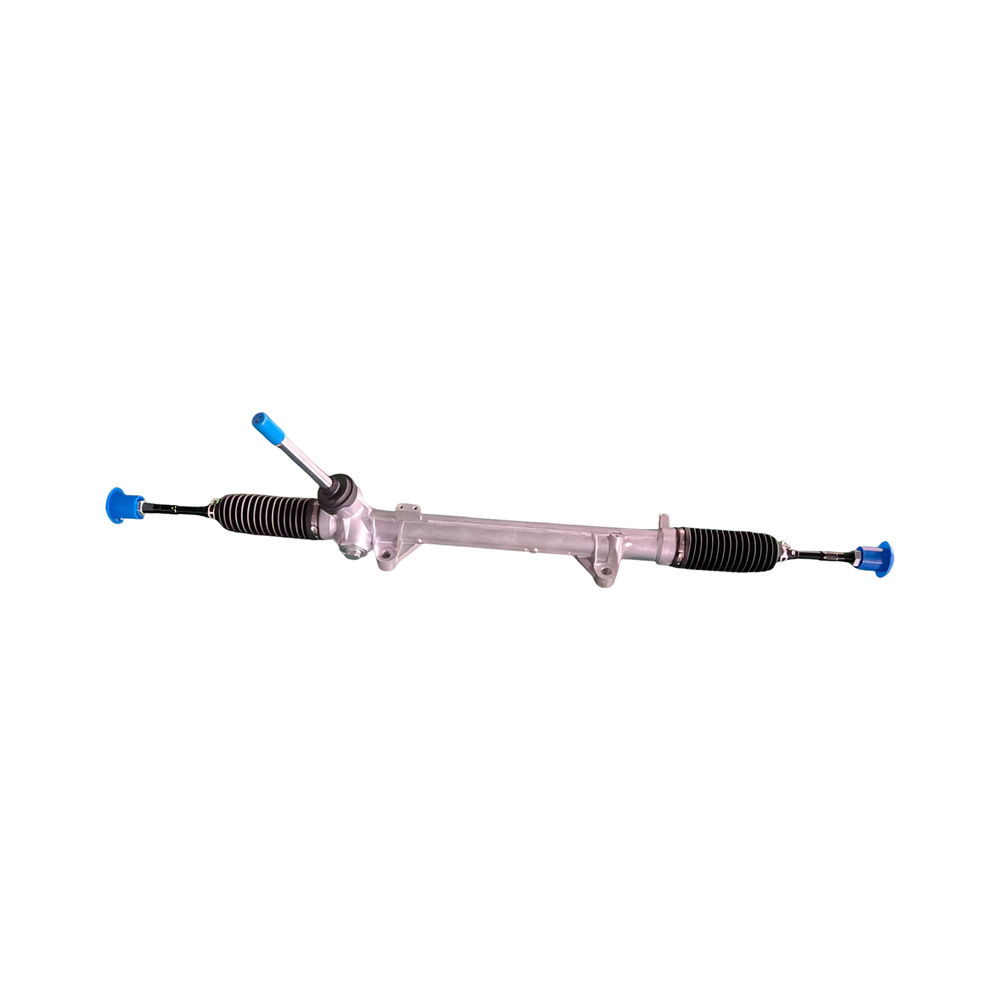
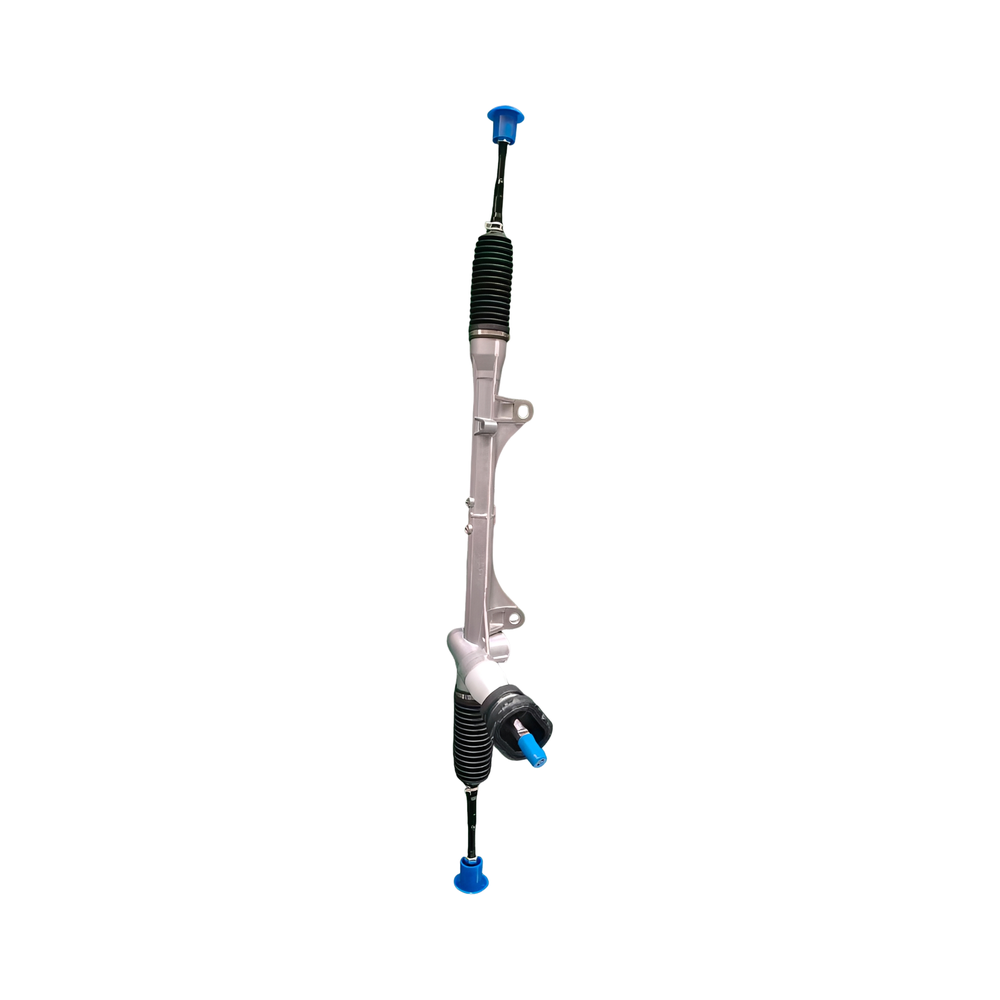
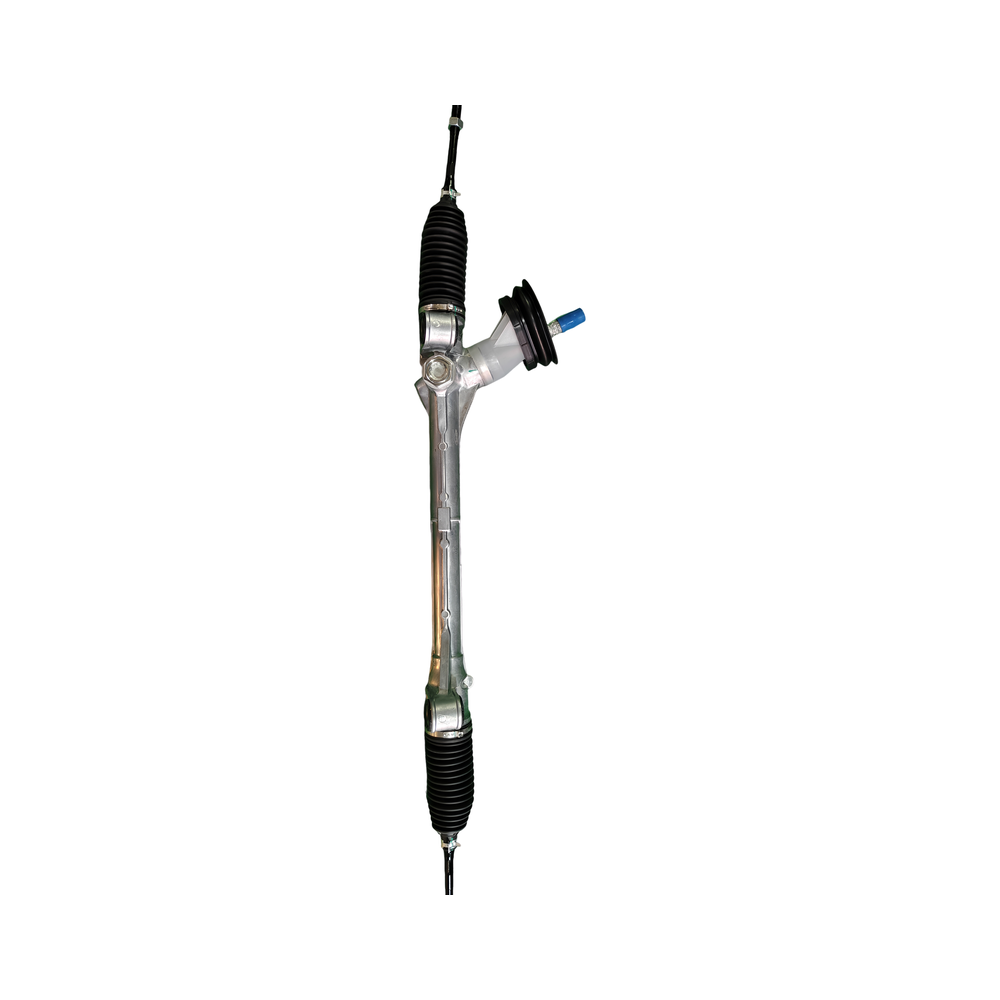
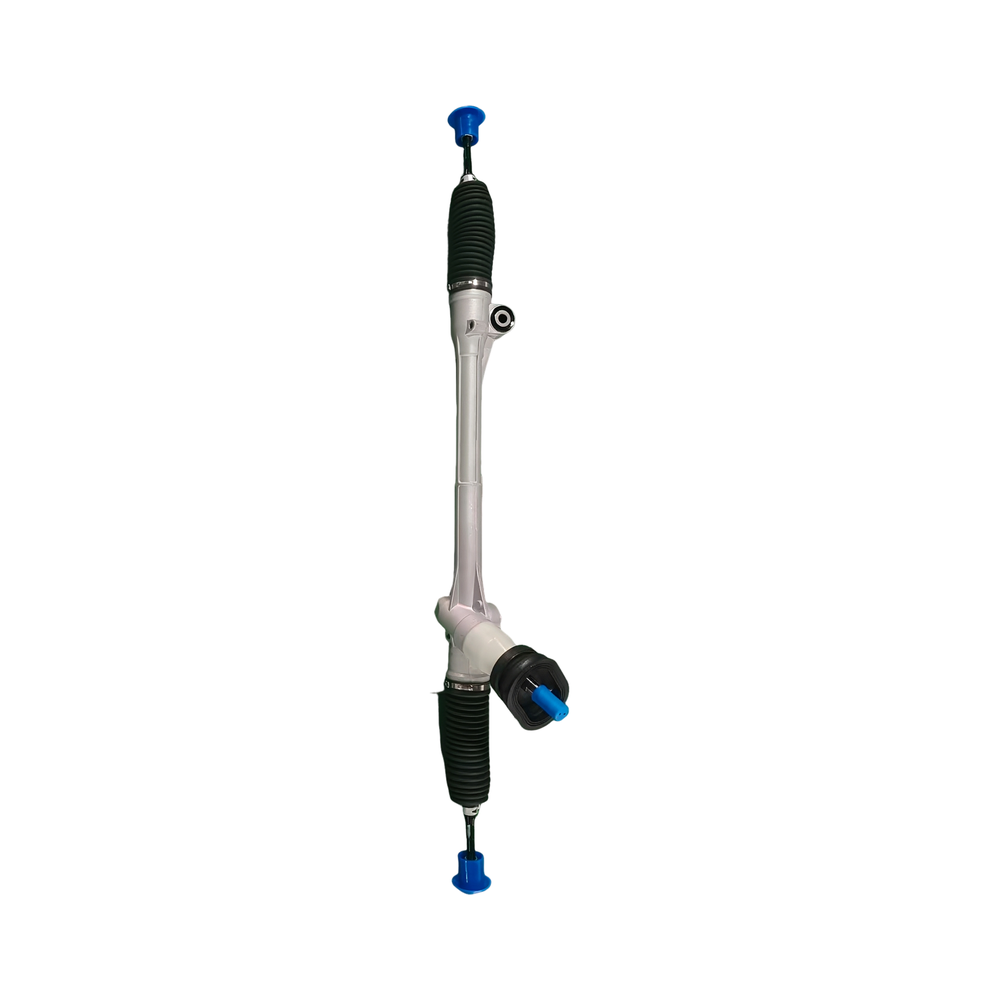
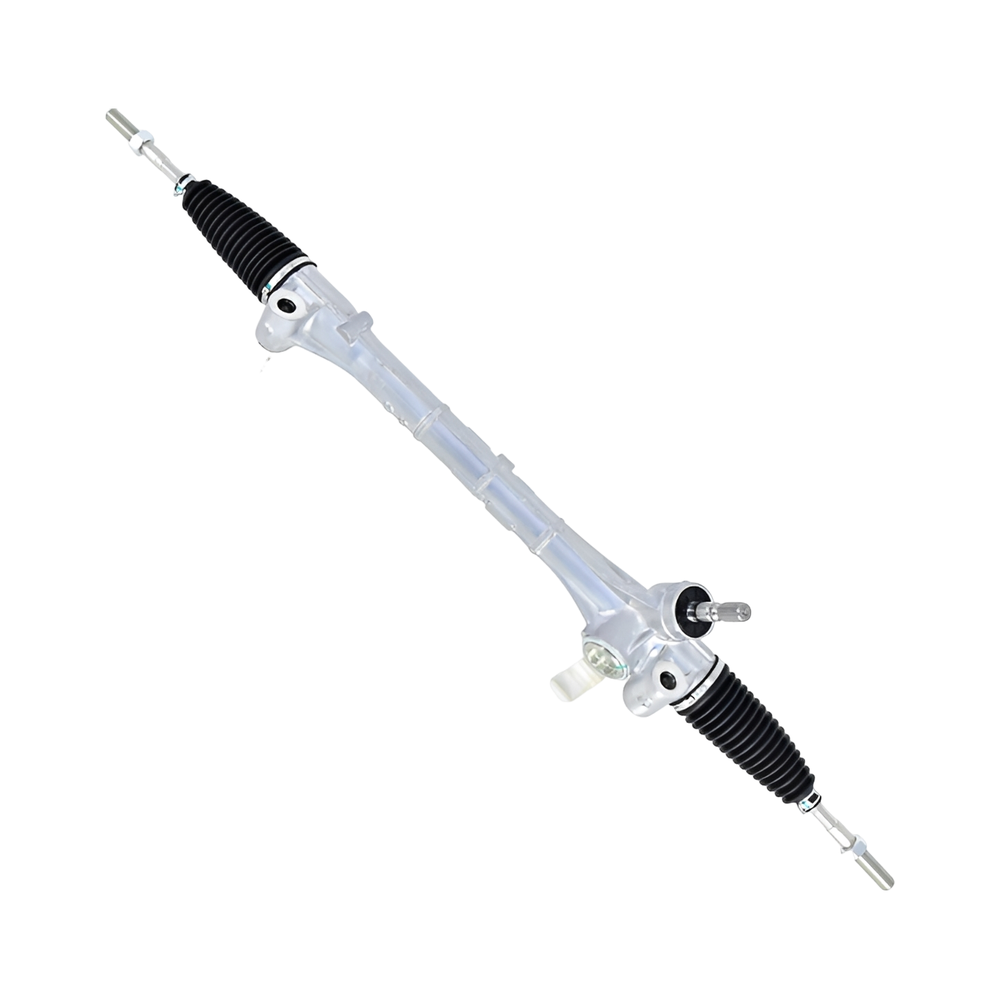
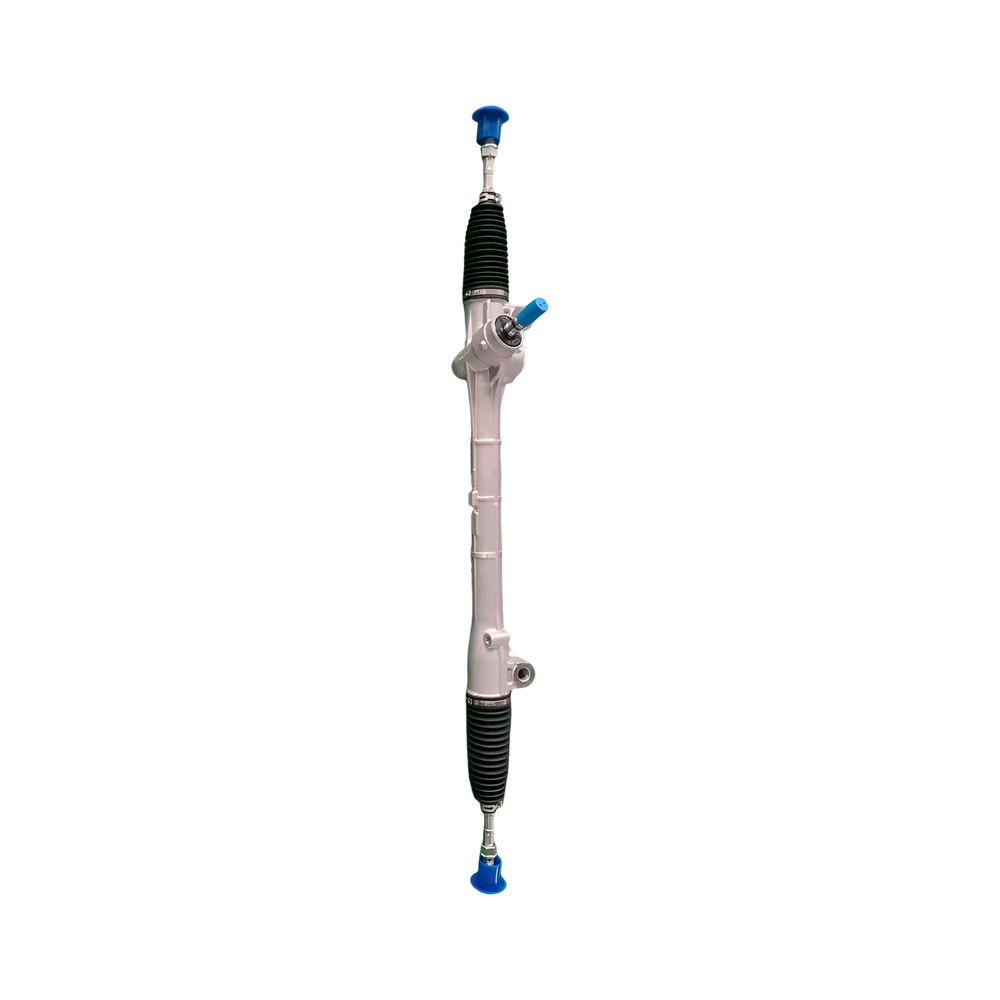
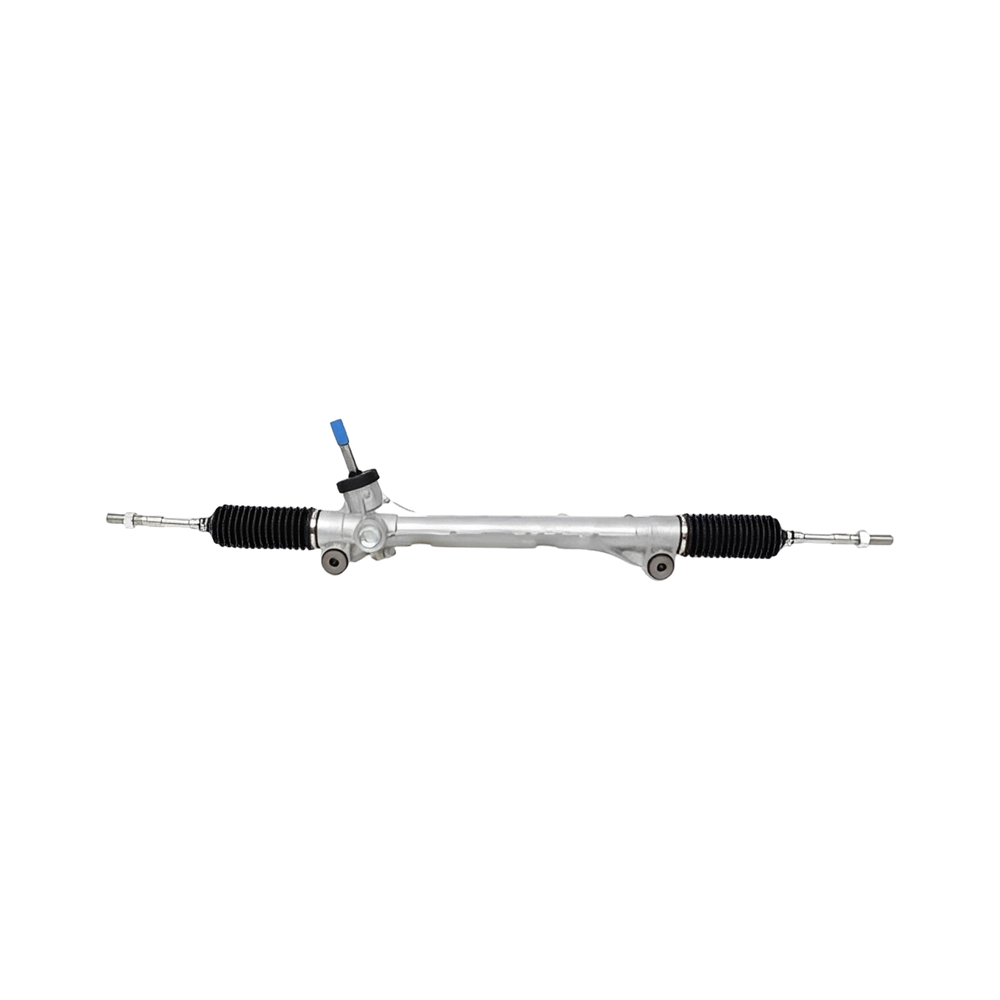
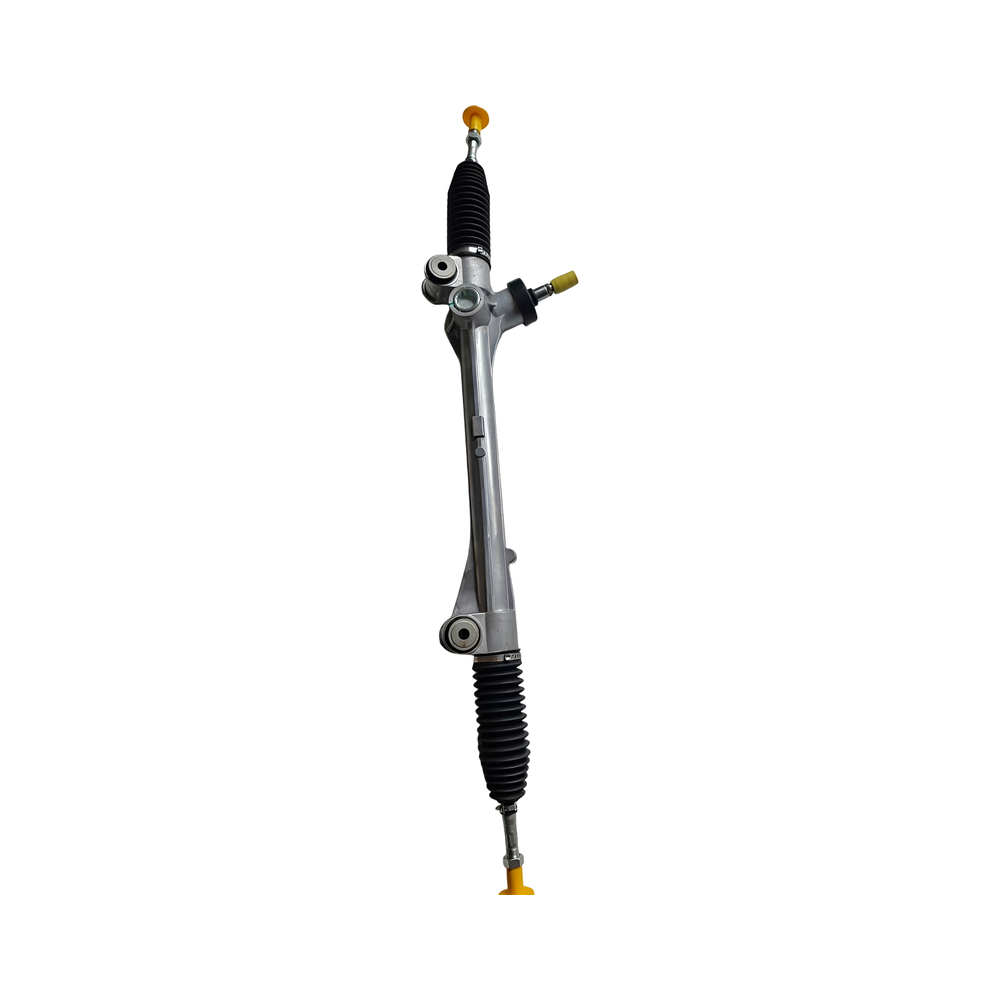
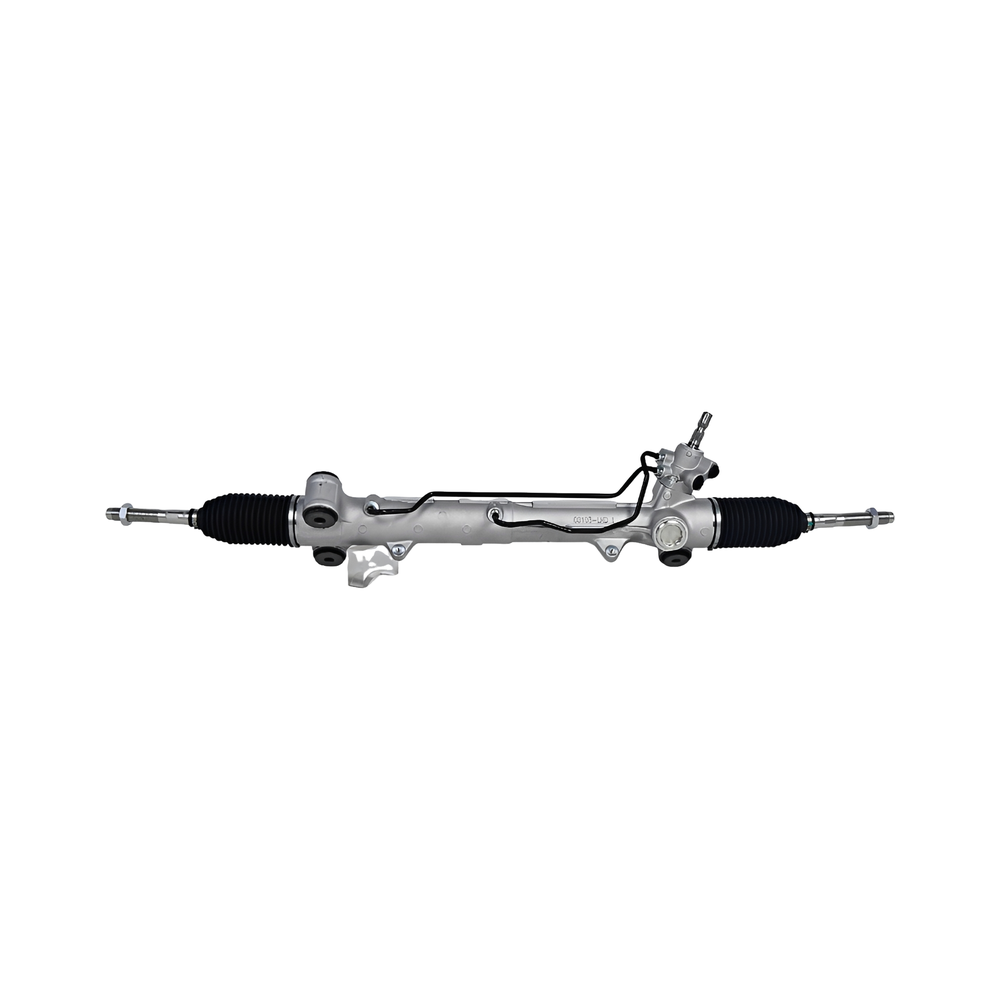
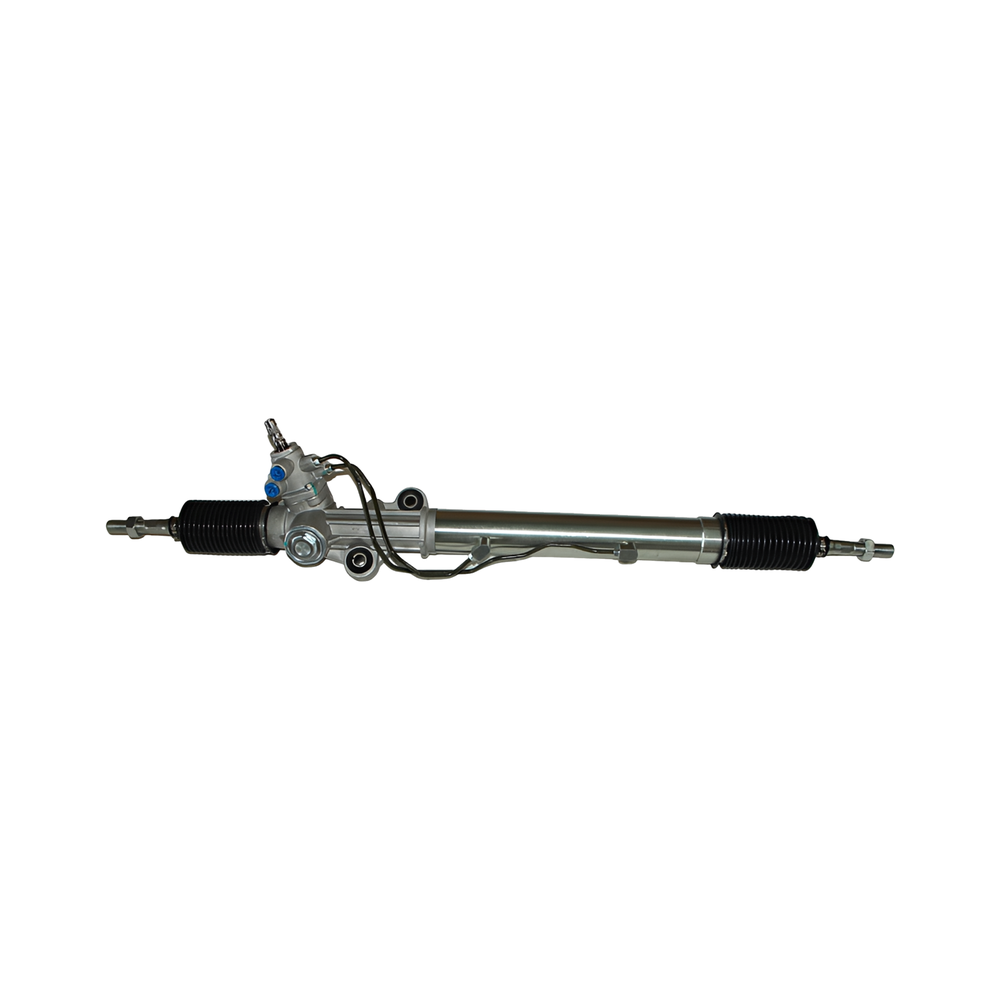
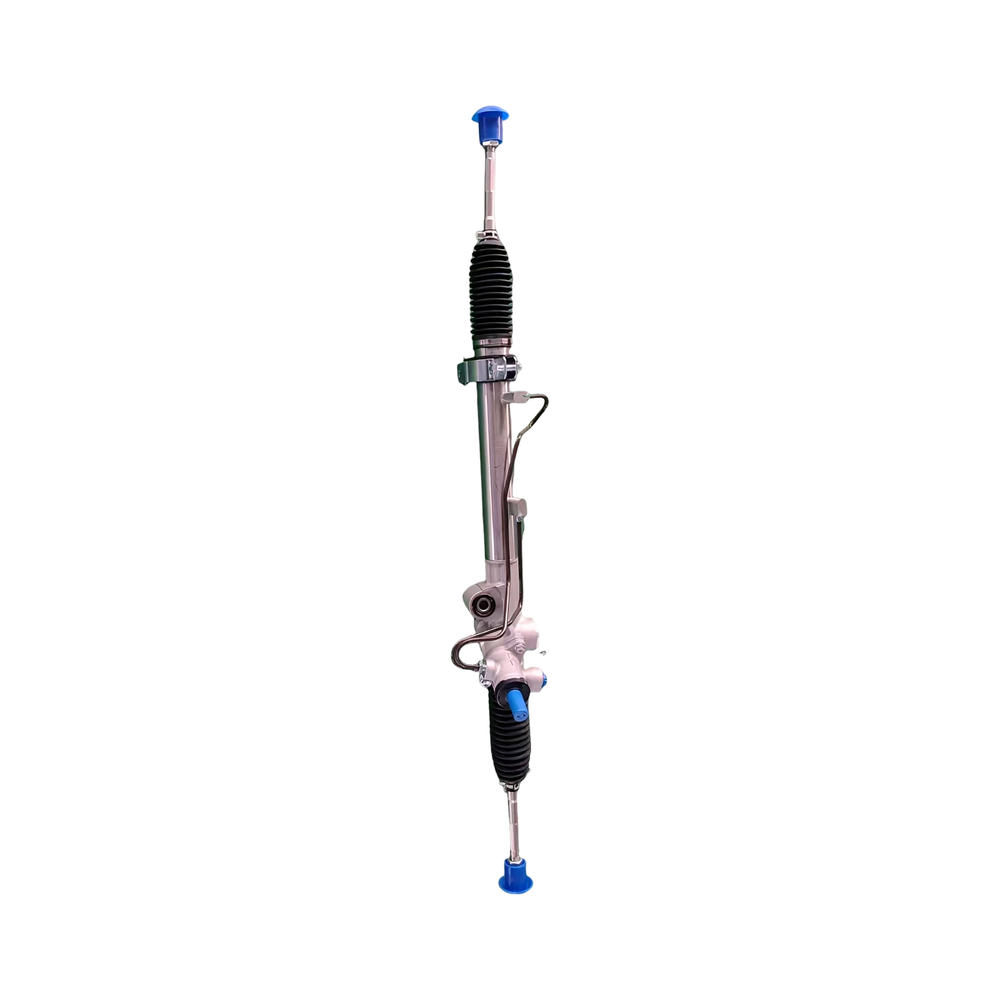
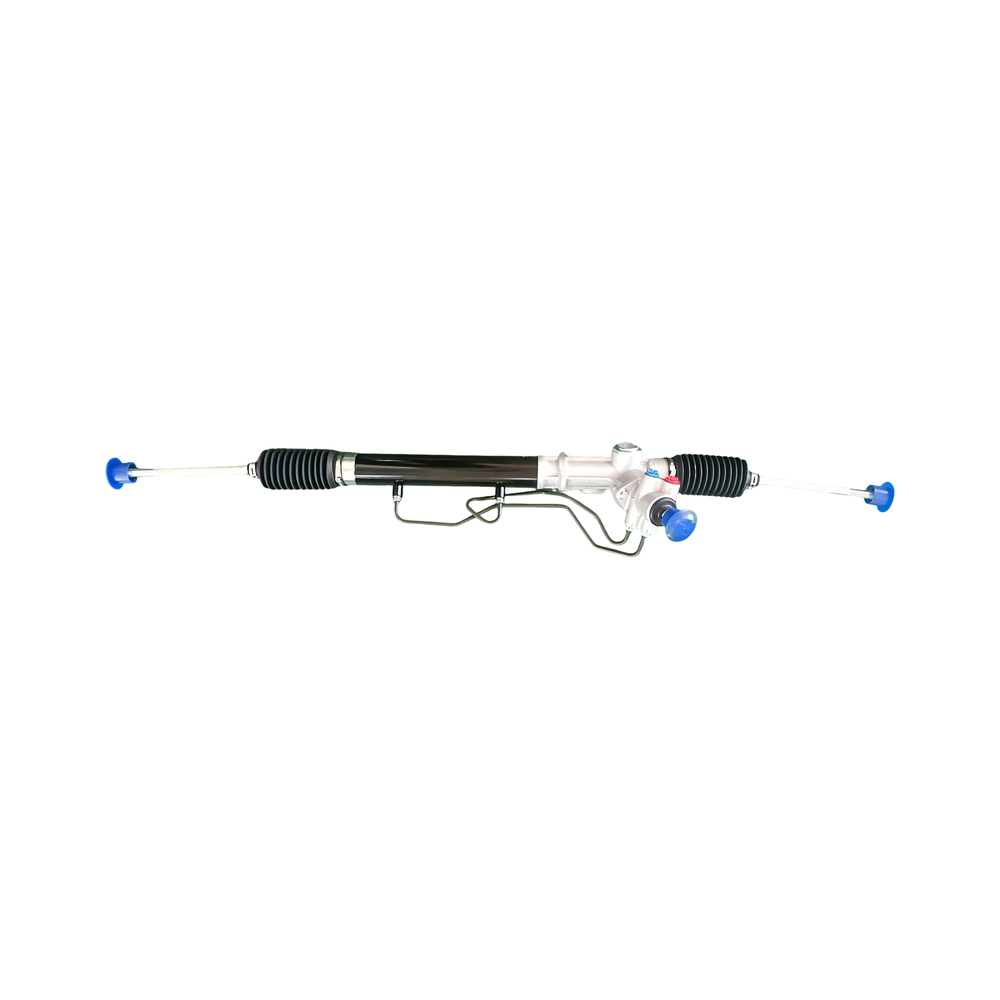
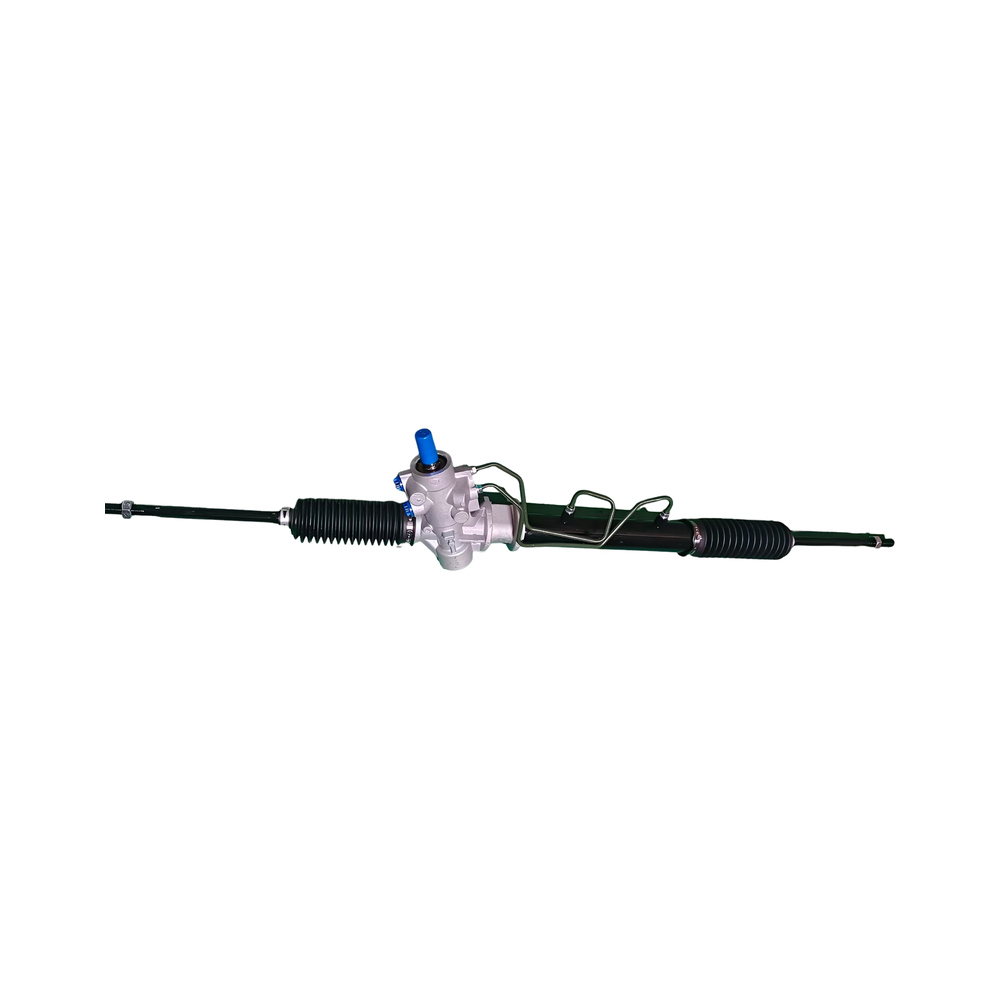
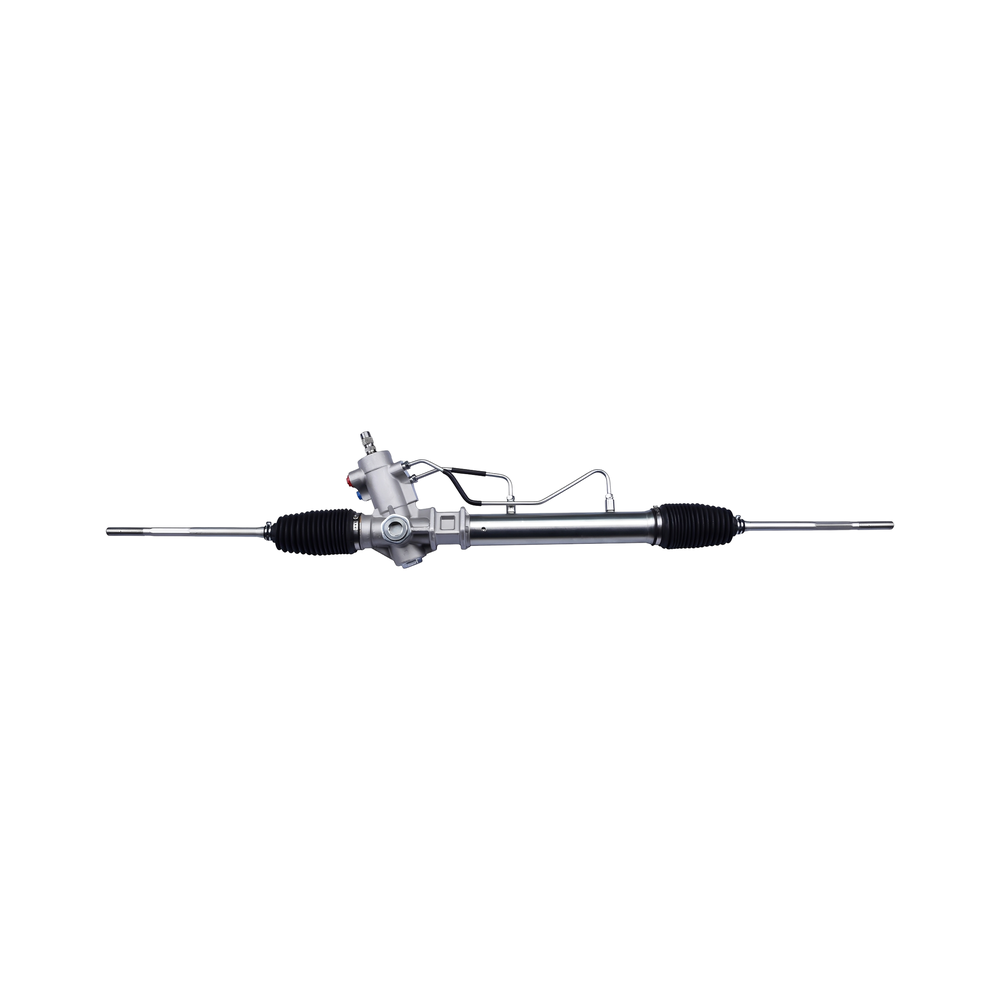
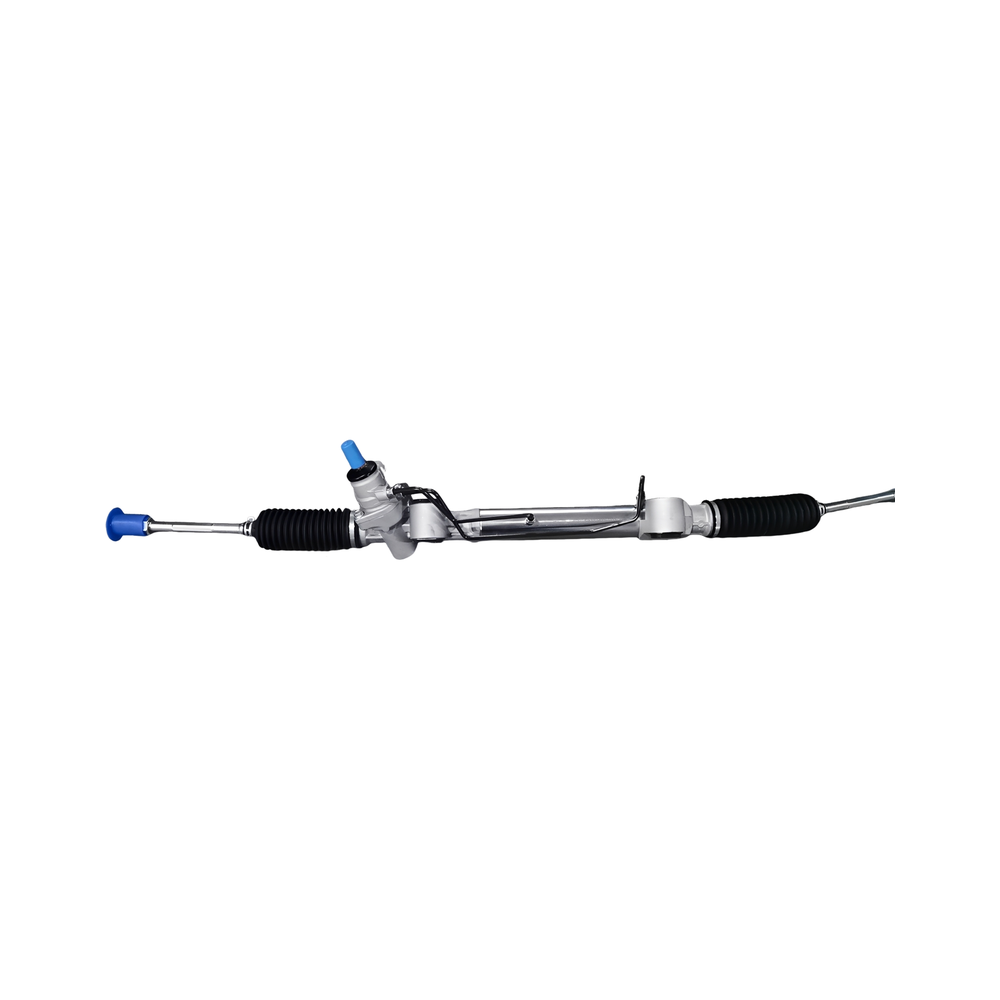
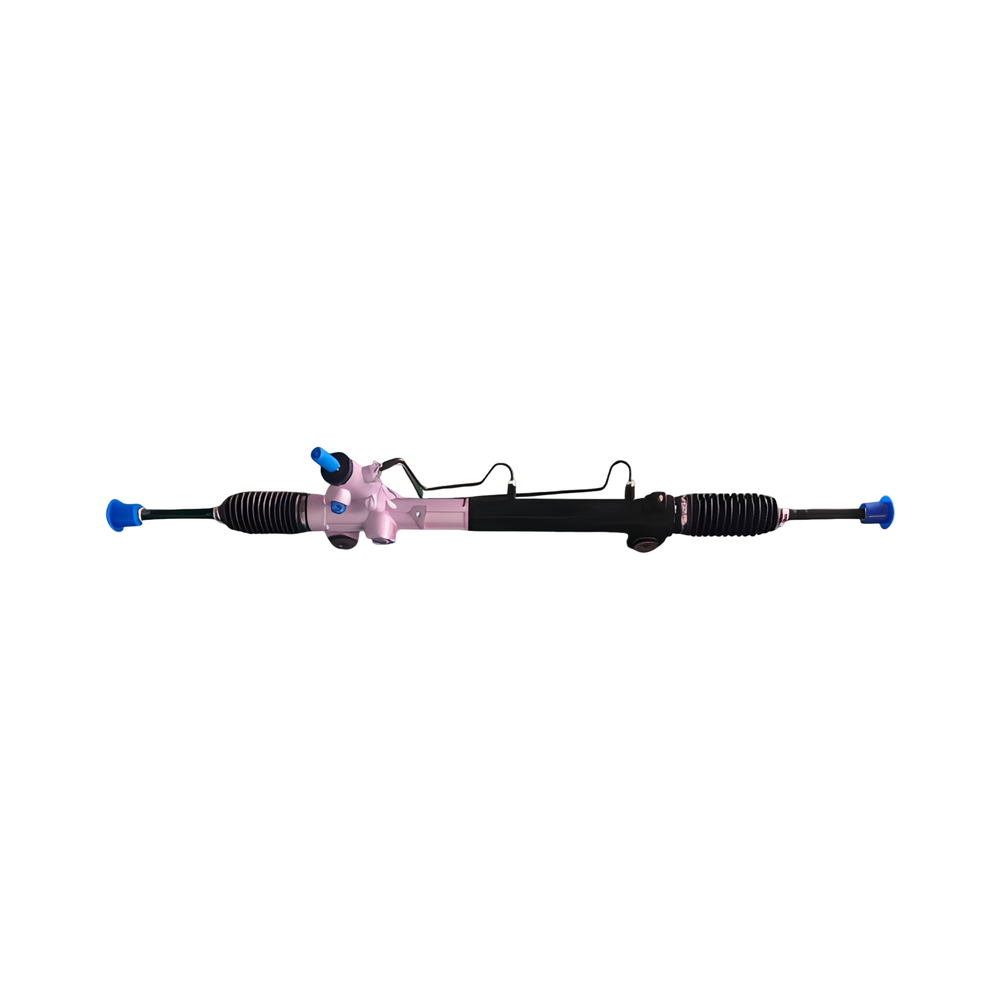
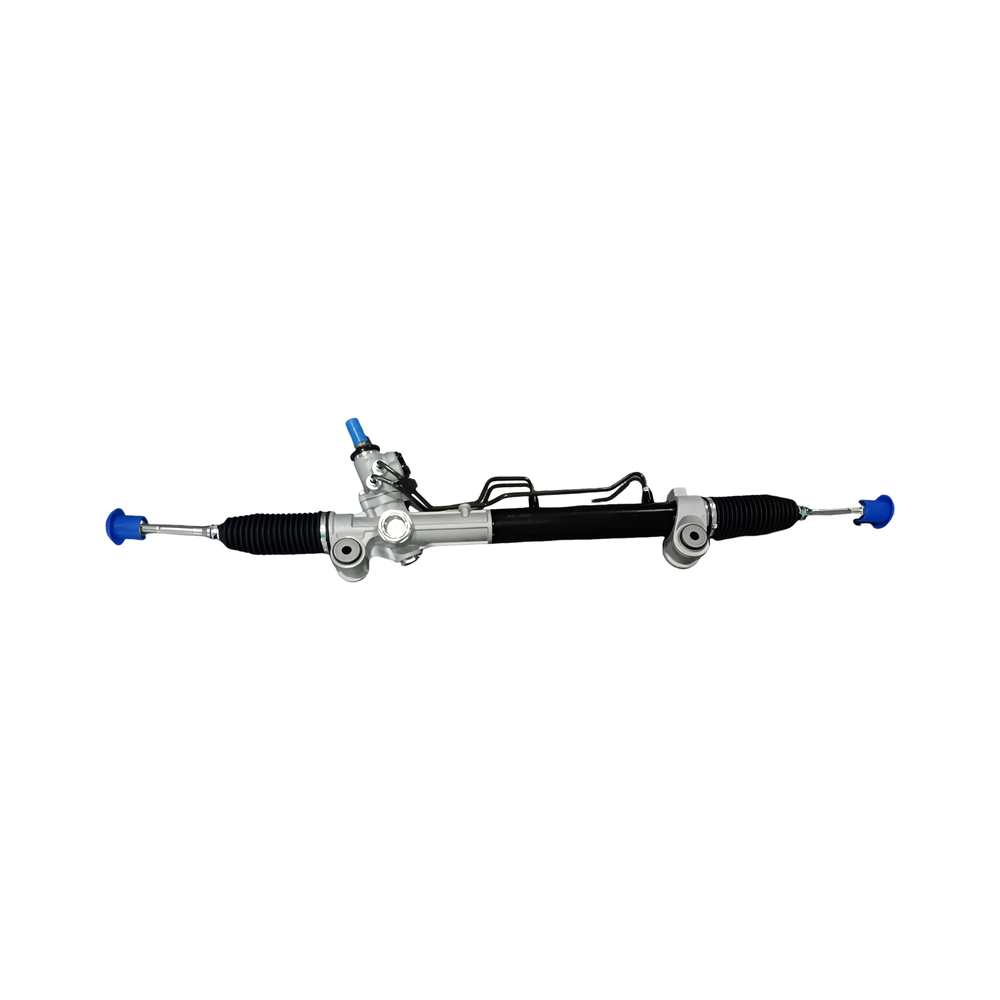
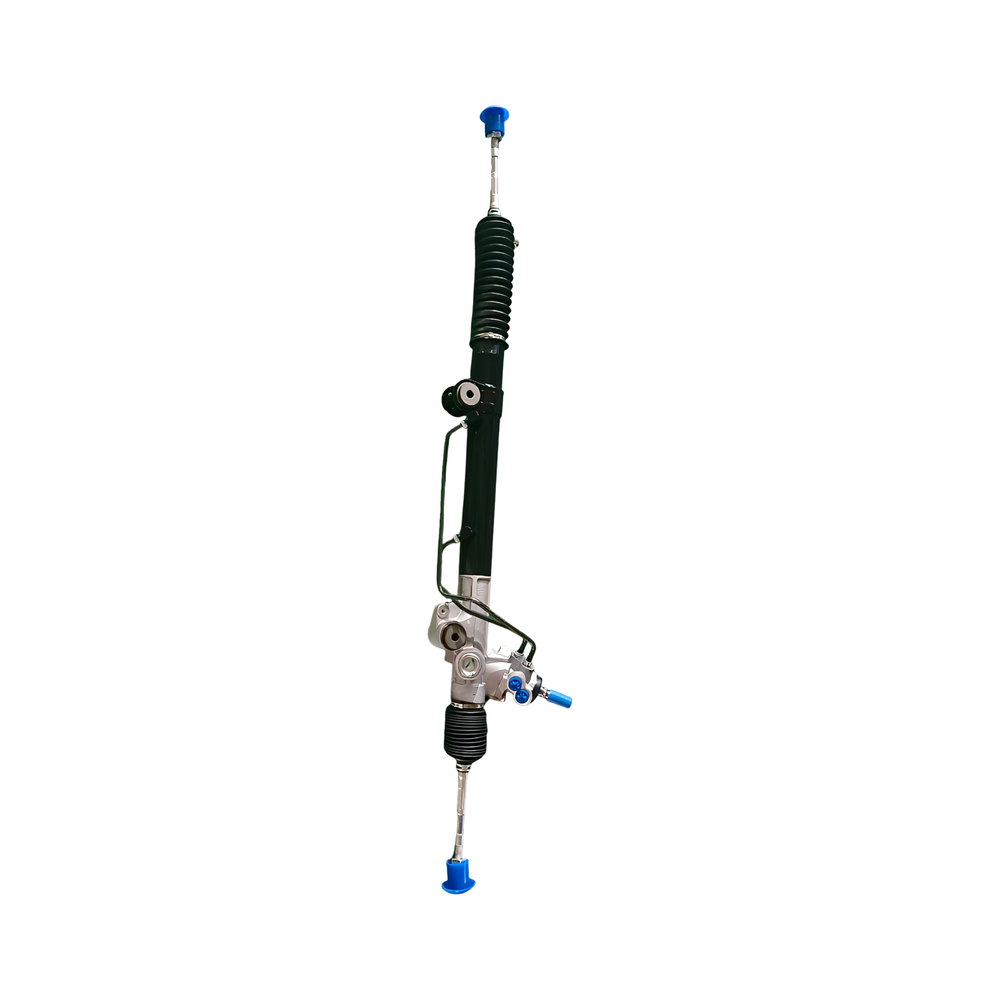
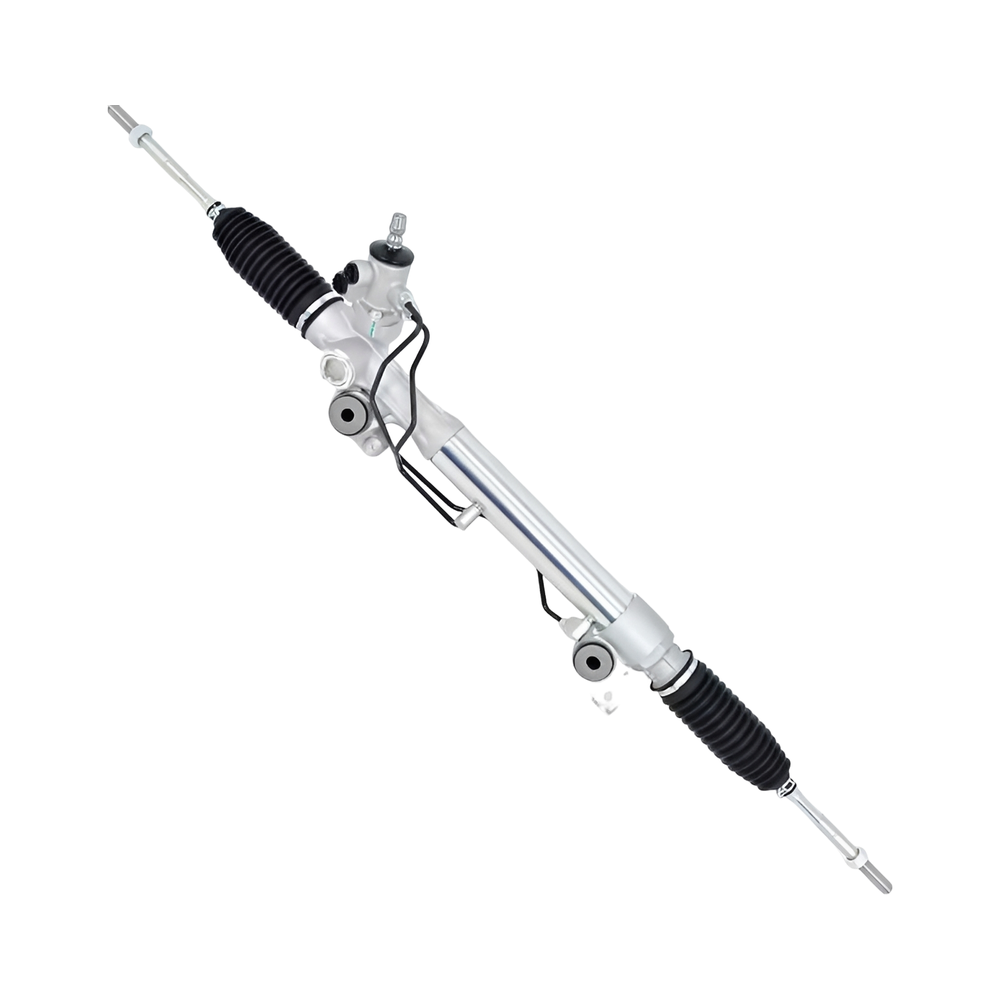
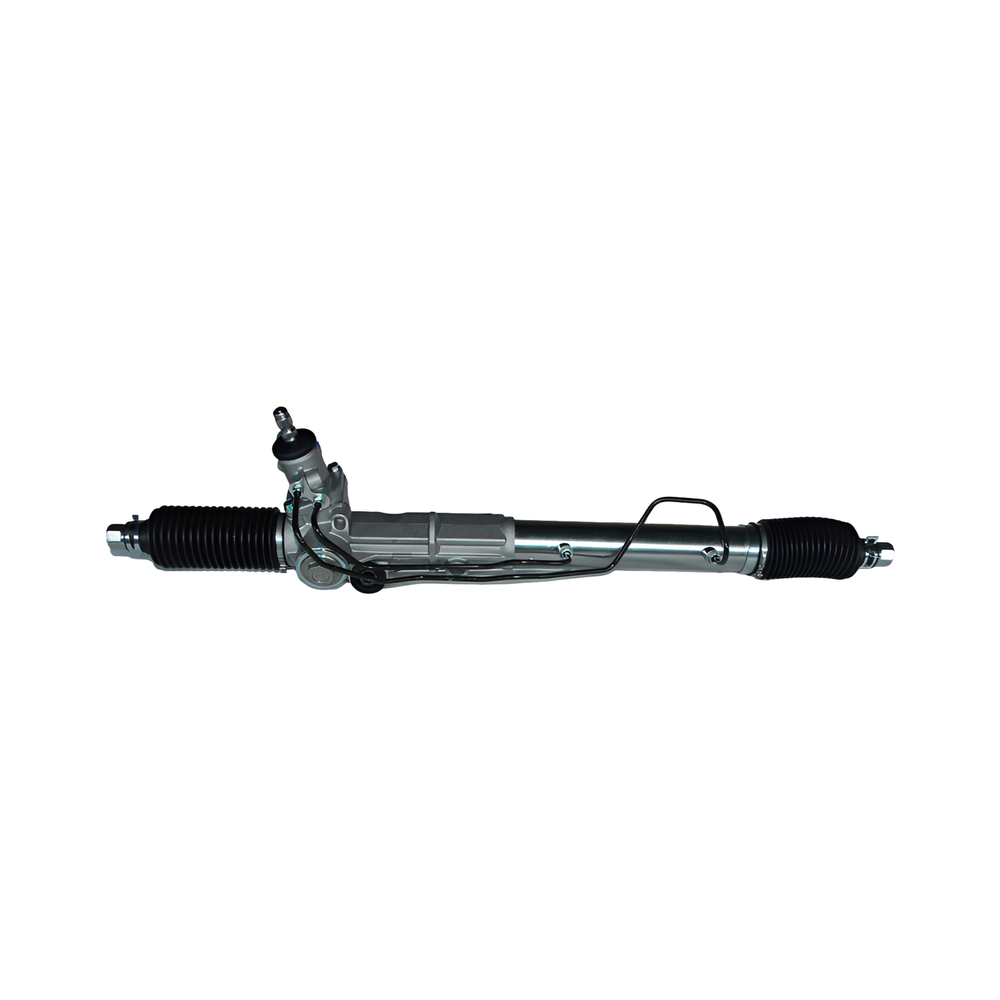
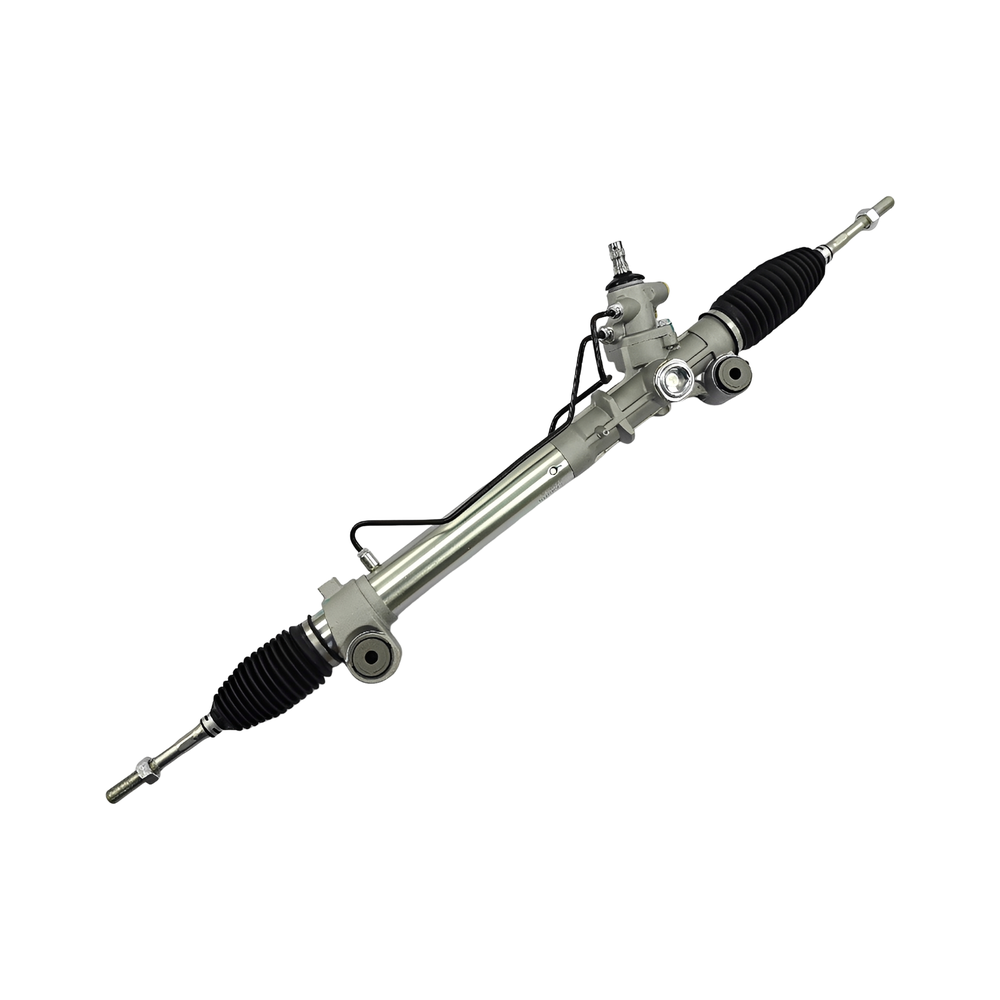
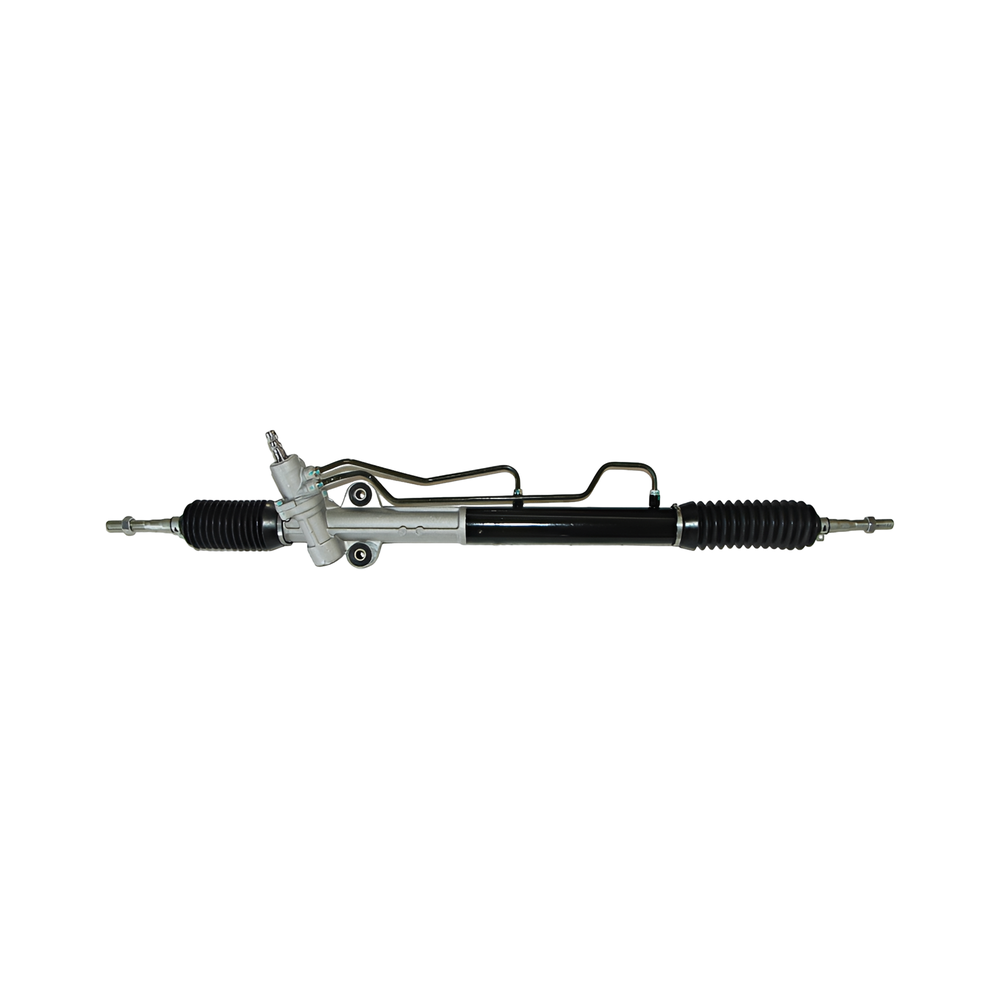
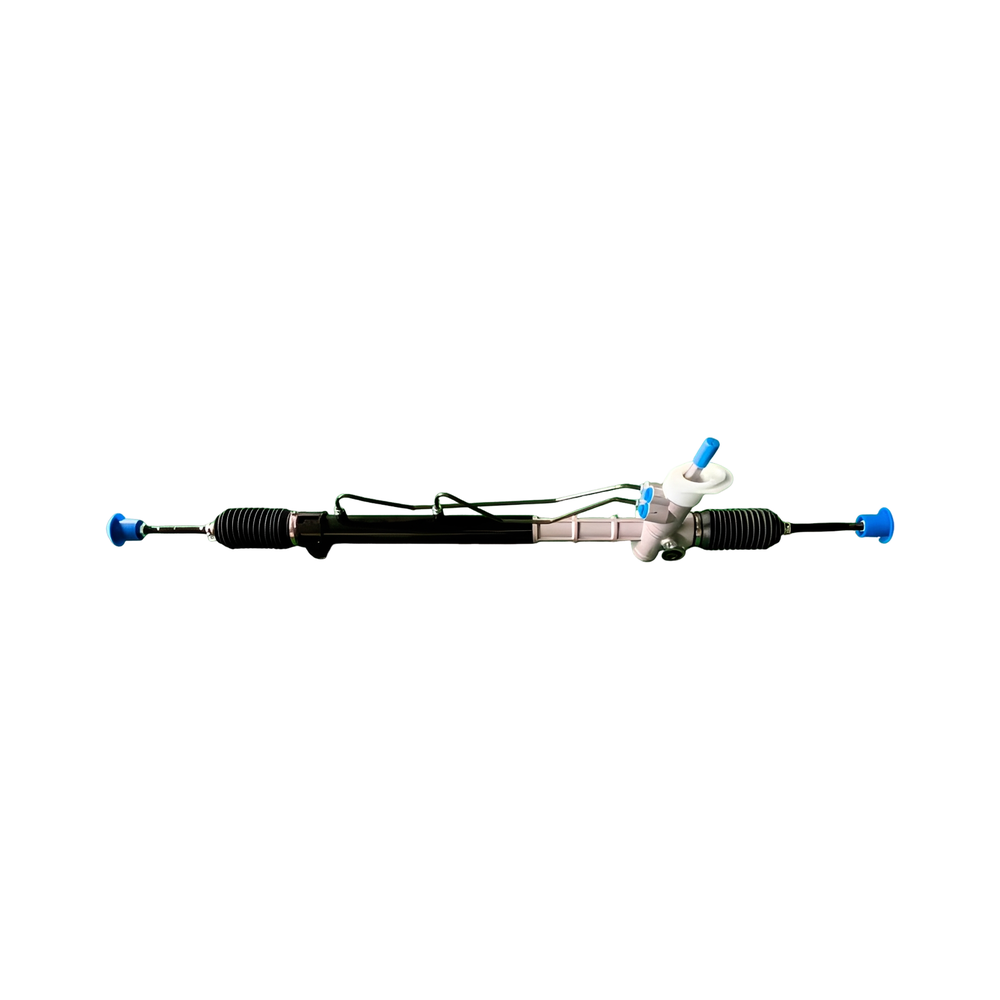
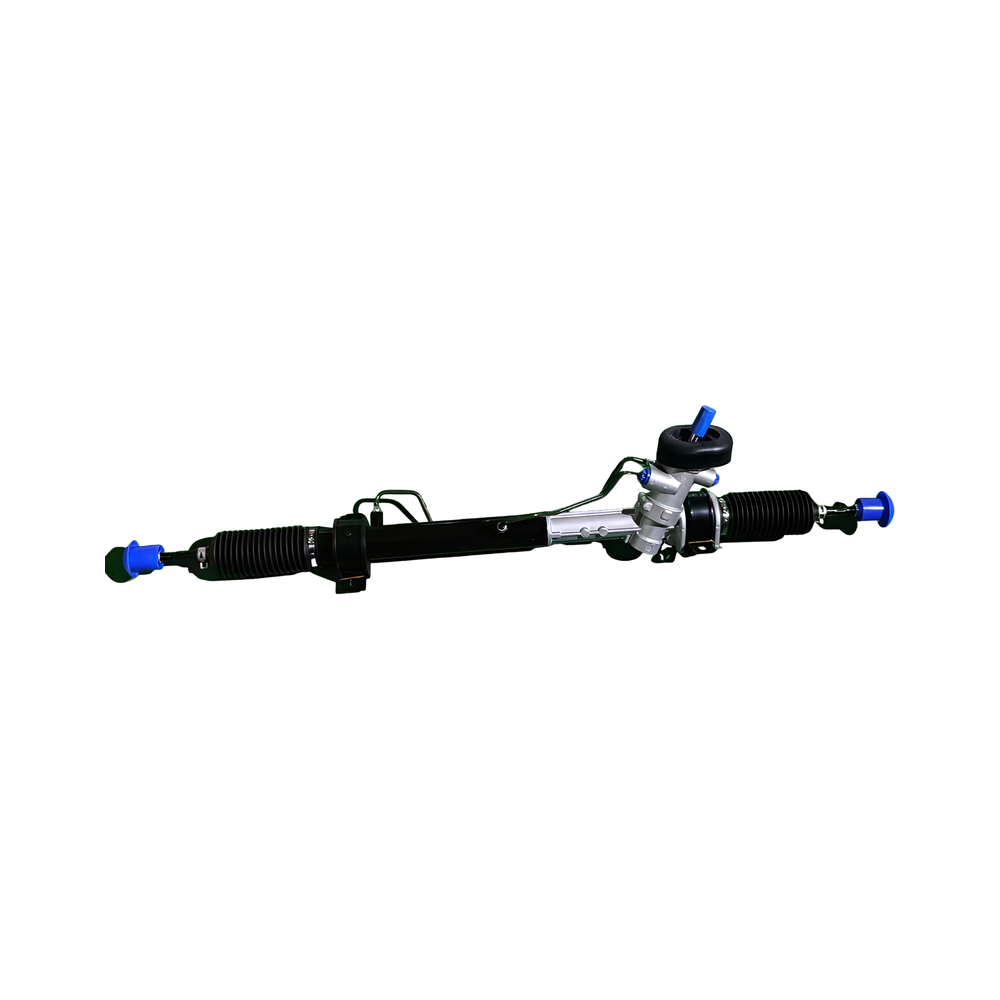
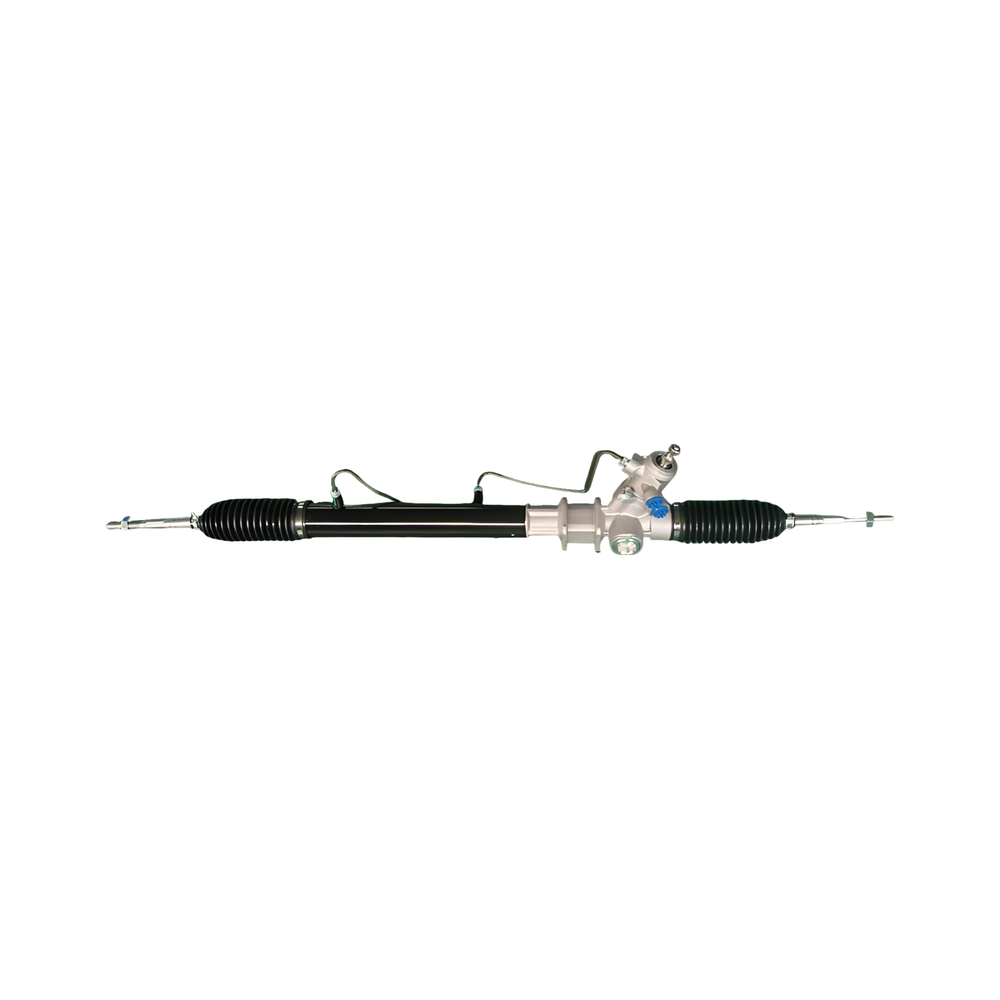
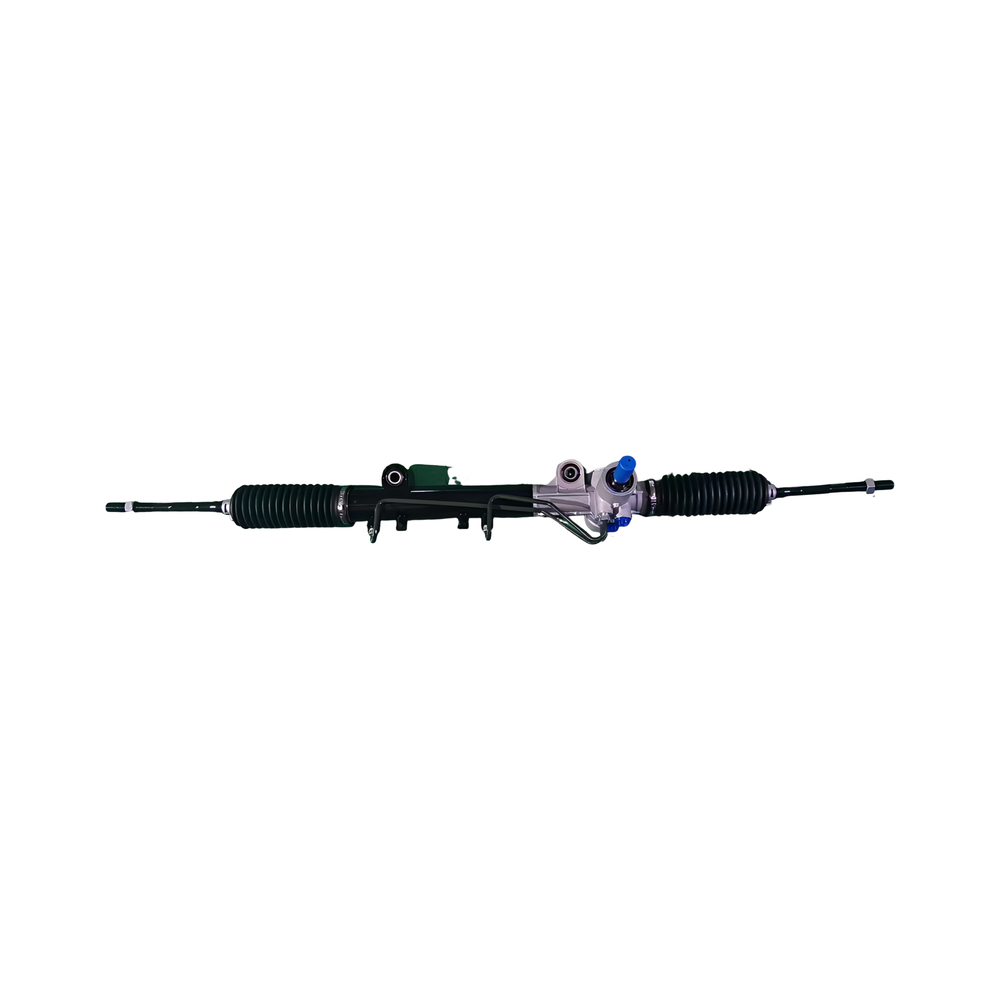
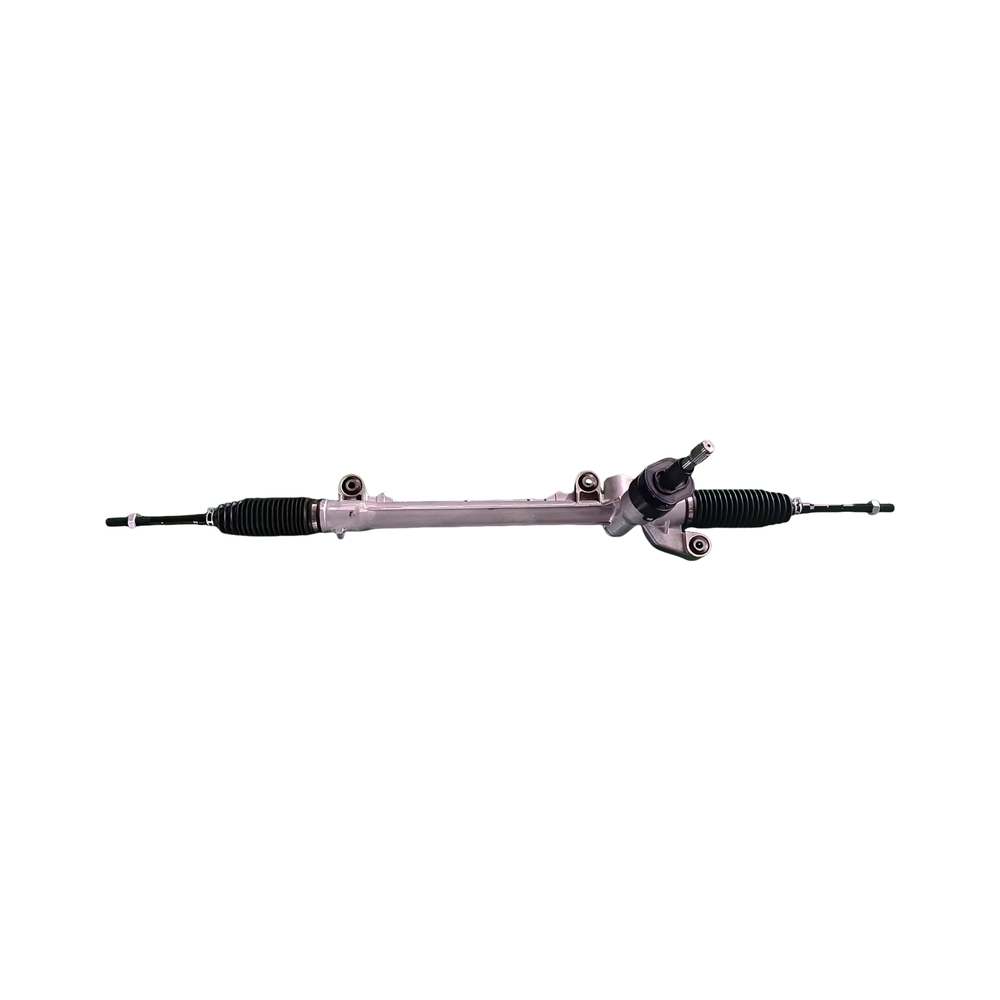
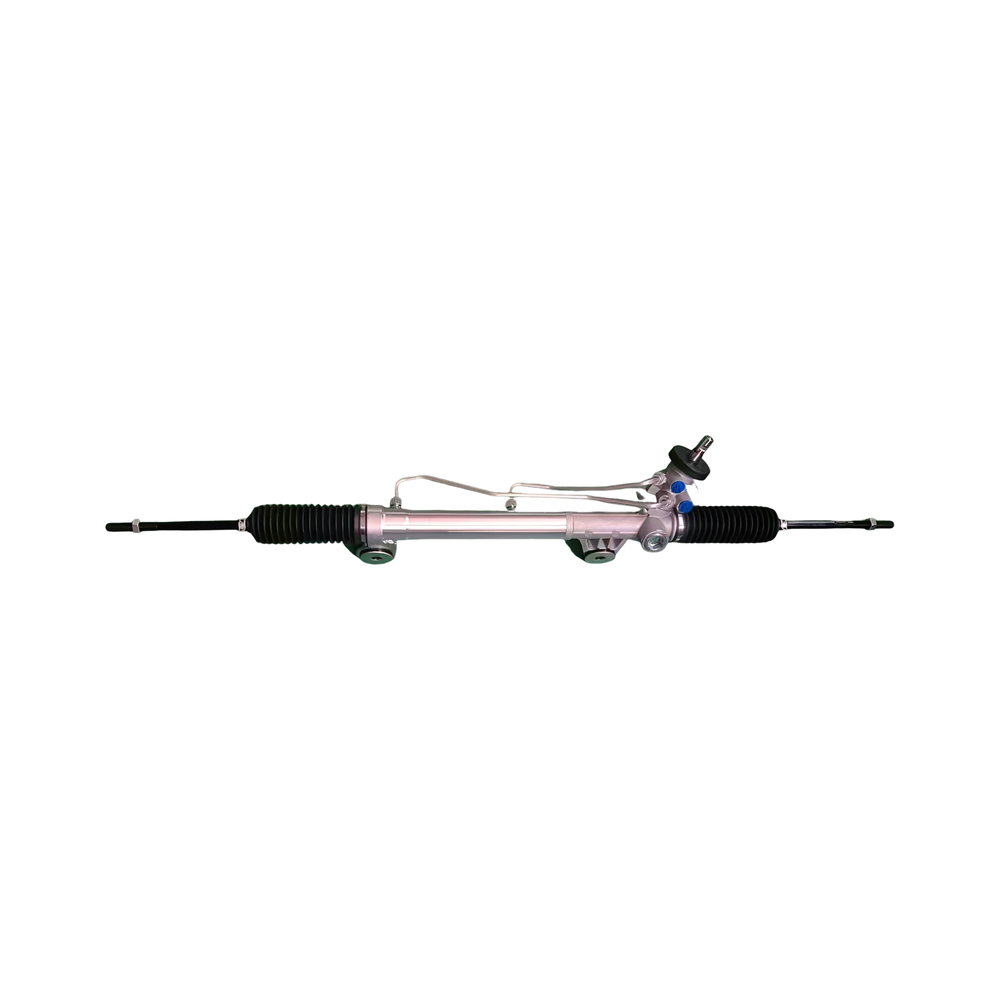
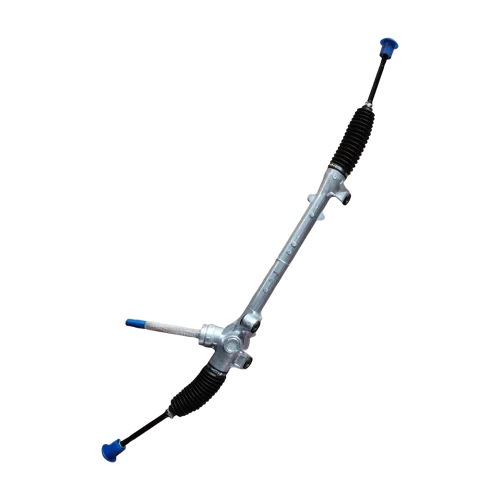
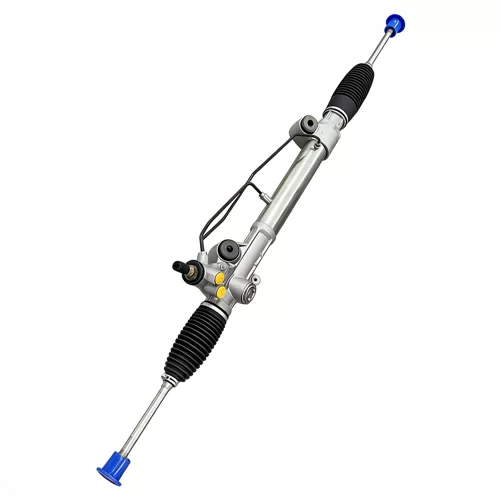
Browse 191 Steering Rack part numbers with OE cross-reference and fitment notes for passenger cars, SUVs, pickups and vans. Export packing available - send an inquiry for price and lead time.
The power steering rack converts rotation of the steering column into sideways movement of the tie rods, and it is the part of the steering system that wears out first on a high-mileage car. The failure pattern is consistent: the pinion seal weeps, the boots fill with oil, the rack develops play in the centre, and eventually the pump whines because it is pumping past a worn seal. Racks are also damaged by neglect, because a rack that has been run on dirty fluid or with a torn boot has been running on grinding paste.
This category carries 191 references. 8-97946-131-0 is listed for Isuzu D-Max applications, 8200088495 and 7711497389 for Renault Megane II and Scenic II, and 57700-2S000 for Hyundai ix35 and Kia Sportage III. 57700-1E100 covers Accent, and 56500-0X000 with 56500-0X500 the i10 and Picanto. 53601-SNA-A51 is listed for Civic VIII, and the Nissan group runs 49001-ZG90A, 49001-JR810, 49001-VW600 for Urvan, 48001-JM00C for Rogue and X-Trail, and 48001-9AF0A for Sentra. On the Toyota side 44250-28320, 44250-12560, 44250-06270 and 44250-04030 with 44250-04040 cover TownAce, Corolla, Camry and Tacoma applications.
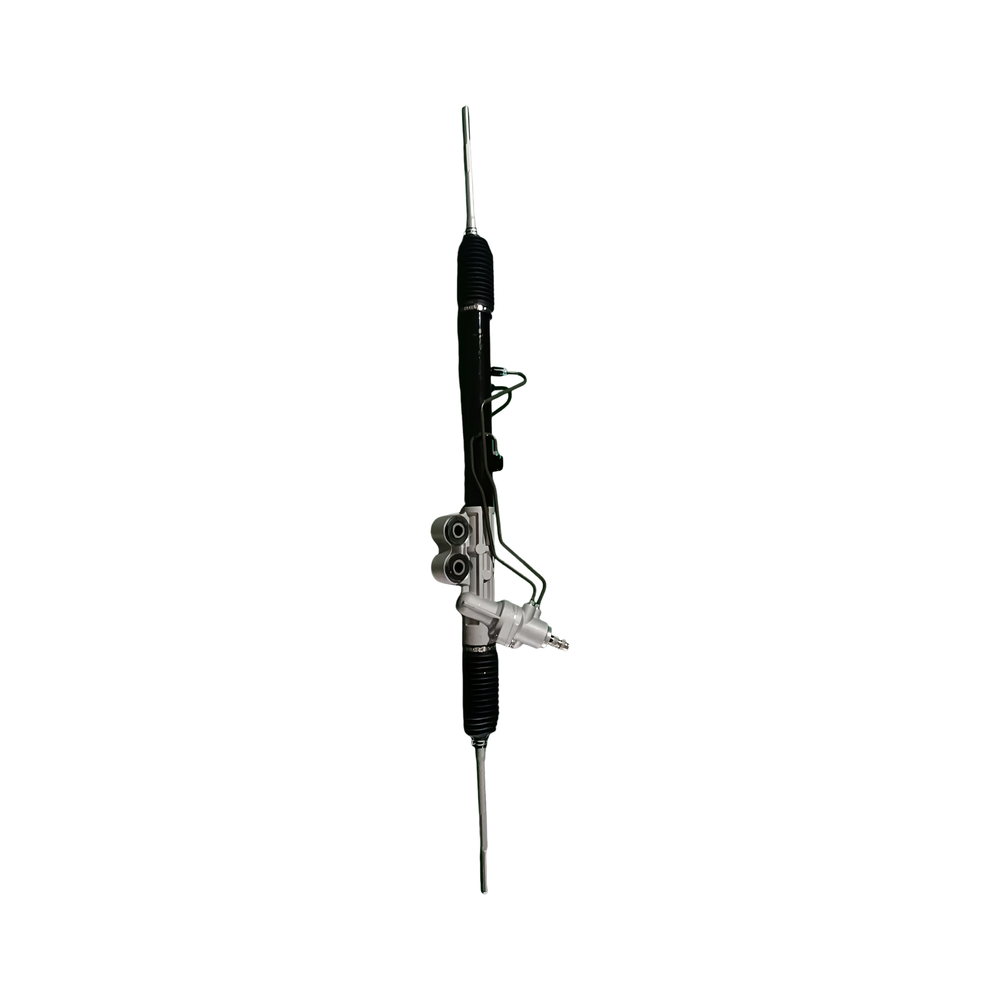
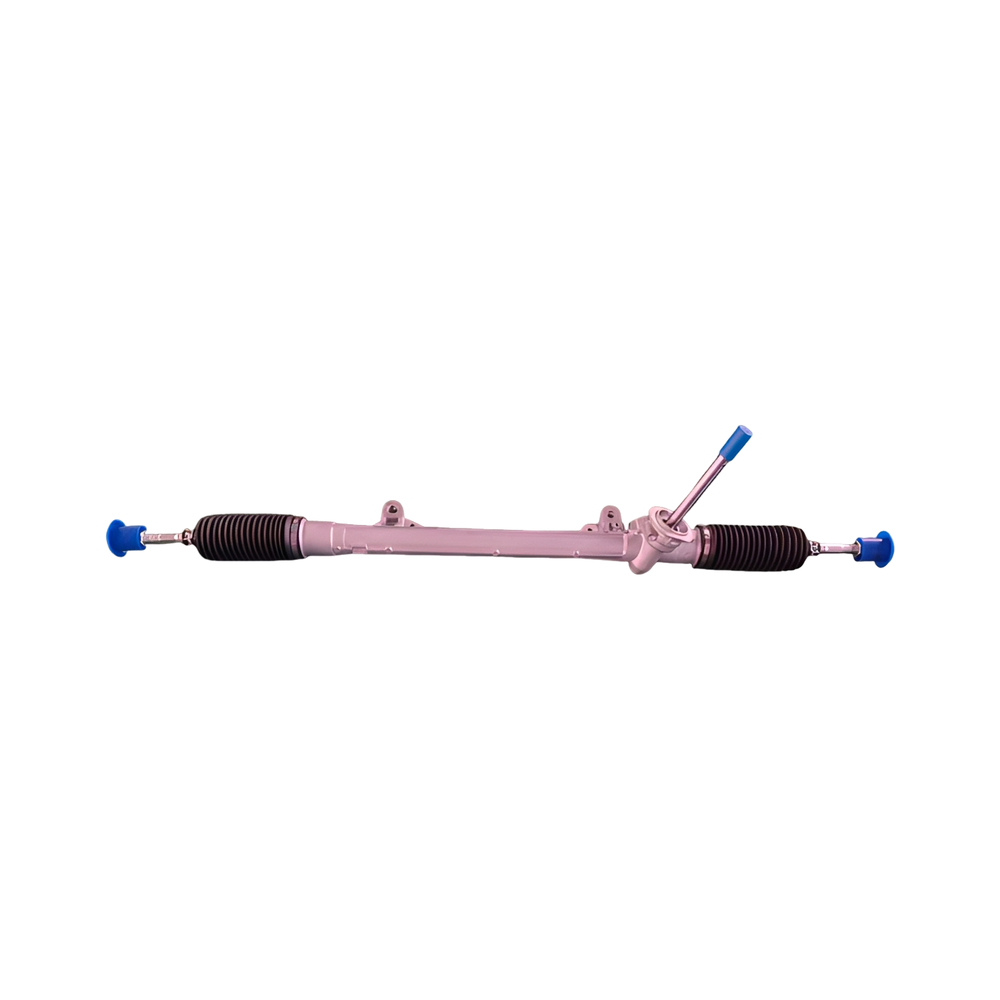
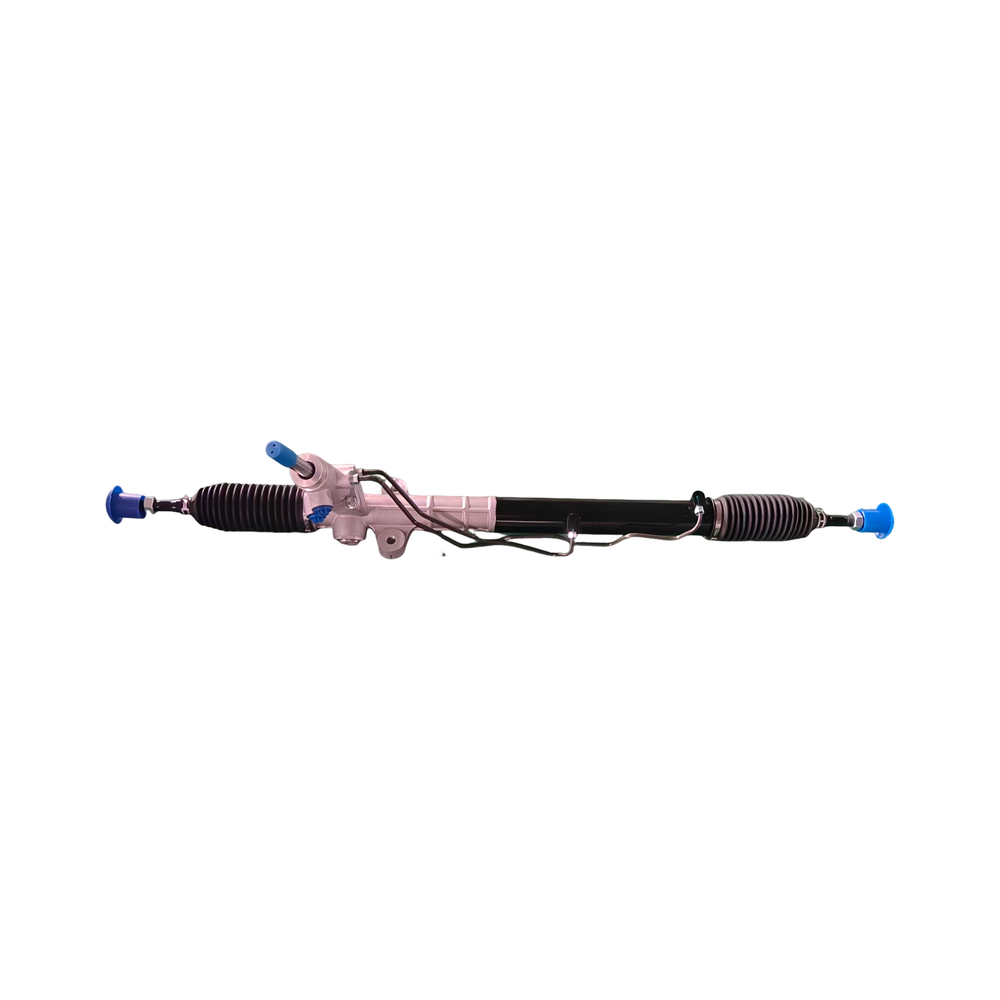
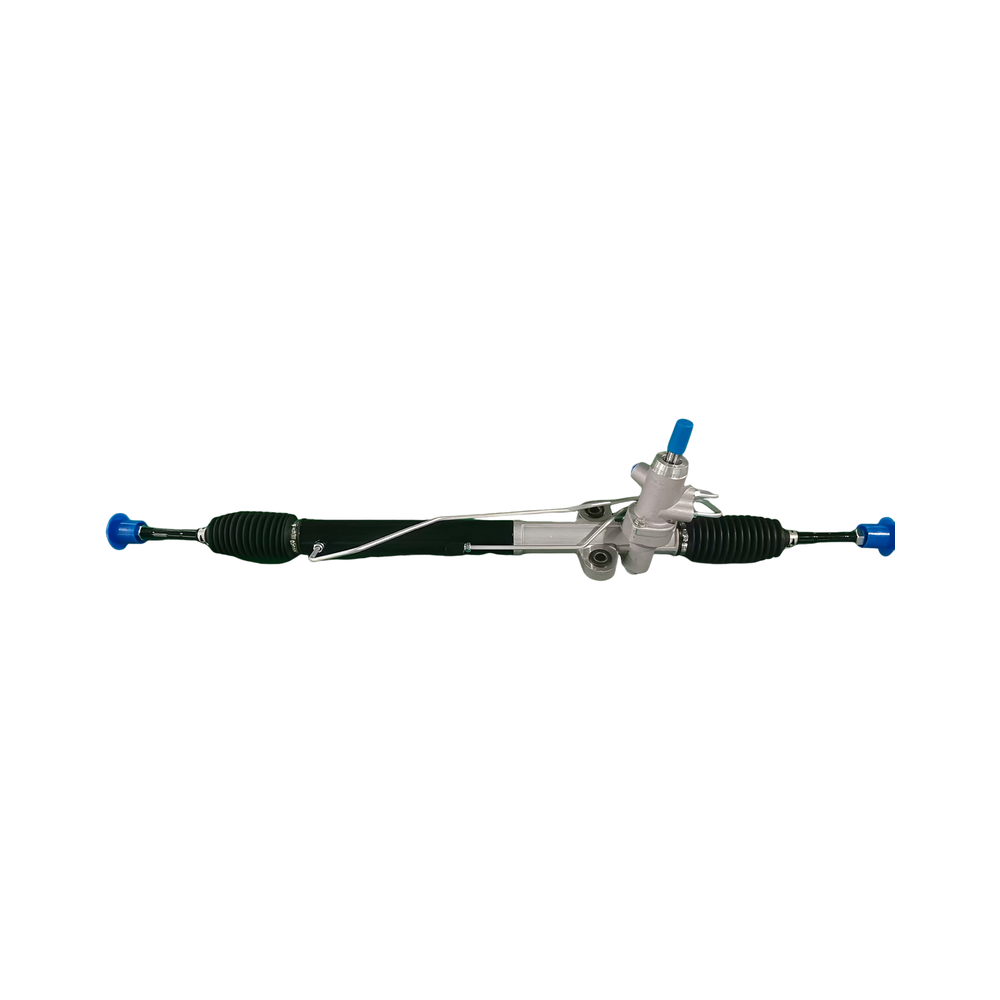
Four things have to match before a replacement rack will work. The first is drive side, because the housing, pinion position and pipe routing differ between left-hand and right-hand drive. The second is whether the original rack carries a solenoid valve for speed-sensitive assistance. The third is whether a steering angle sensor is mounted on the pinion, which has to be transferred or relearned. The fourth is whether the tie rods are supplied with the rack, because a new rack fitted with worn inner joints will still have play.
The symptom that decides whether the rack or something else is at fault is the behaviour of the play. Play in the centre of the travel with the engine off points at the rack or the inner joints. A pull that changes with road camber points at alignment or a sticking caliper, not the rack. A whine that rises with engine speed rather than road speed is the pump, and a leak at the boots is the rack seals. Checking the boots for oil is the fastest single test: oil in a boot means the seal behind it has failed.
Order by the OE number, the drive side, and a photograph of the rack from above showing whether a solenoid or an angle sensor is fitted. Where the vehicle was built in more than one steering configuration for the same model year, the number from the old rack is the only reliable identification, and a rack quoted by model name alone comes back as the wrong part more often than any other steering item.
By matching the symptom to speed. A pump whines with engine speed, gets louder at full lock and often leaves the fluid foamy. A rack leaks at the boots, develops play in the centre of the travel and pulls unevenly. Where both are present, the pump has usually been damaged by running on fluid contaminated by a failing rack, and both should be replaced together.
A purely hydraulic rack does not. A rack with a steering angle sensor needs the sensor calibrated, and a rack with an electronic actuator needs the centre position learned with a diagnostic tool. State whether the vehicle has hydraulic or electric assistance when ordering, and whether the angle sensor is on the rack or on the column.
No. The housing, the pinion position and the pipe routing are handed, so the rack either will not clear the subframe or will not connect to the column correctly. Drive side is part of the part number, not a preference, and it has to be stated at the quotation stage.
It depends on the reference. Some racks are supplied with the inner tie rods fitted, others as the bare housing. The listing states which form it is and we confirm on the quotation. Where they are not included, quote them with the rack, because worn inner joints will keep the same play the new rack was bought to cure.
Not necessarily. Heavy steering with full fluid and no leak points at the pump pressure, a slipping belt, a blocked return line or a seized universal joint in the column. Check pump pressure and the belt first. Where the assistance is electric, a heavy feel on one side only usually points at the torque sensor or the motor, not the rack.
Yes. Send the number from the old rack, the drive side and a photograph of the top of the housing. We confirm against the reference you supply and state it on the quotation. Where the reference covers only part of a model range we list the applications we can confirm rather than claiming a general fit.
Tell us the OE numbers, quantities and destination port. We confirm fitment against your references and quote with export packing options.