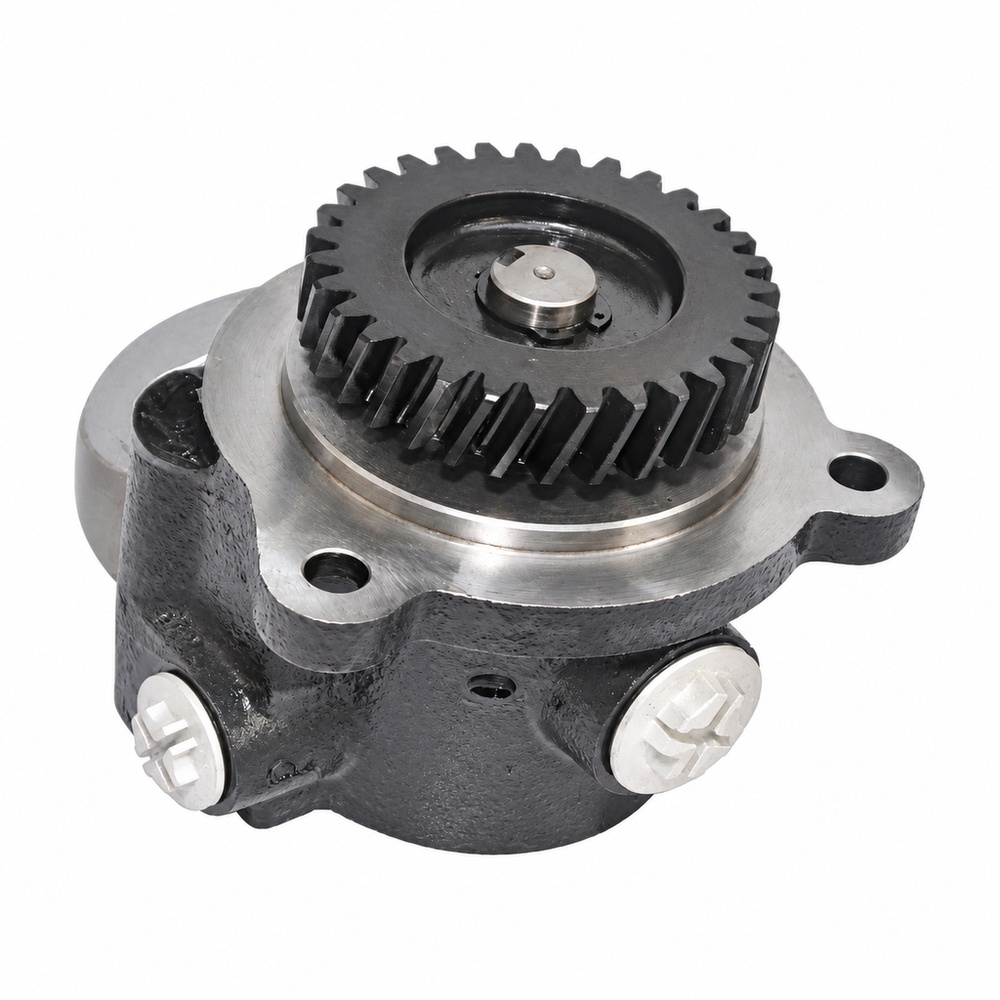
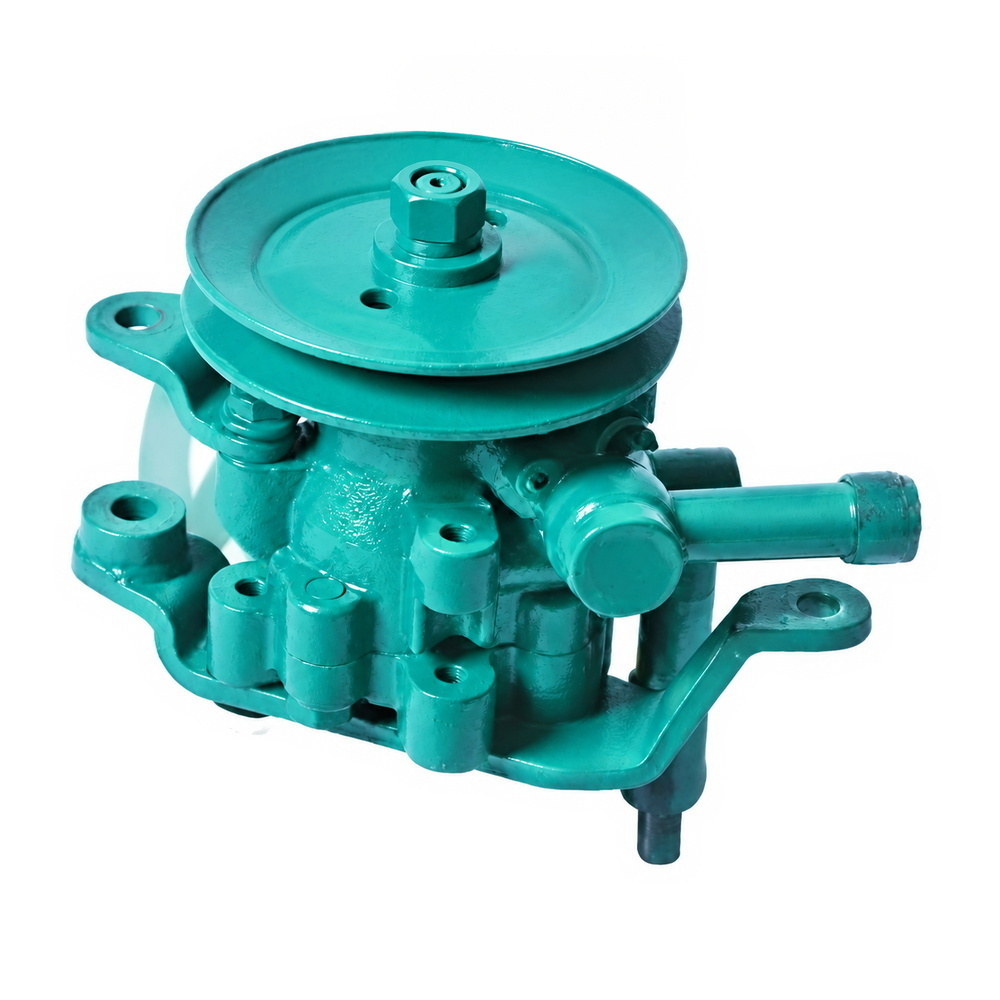
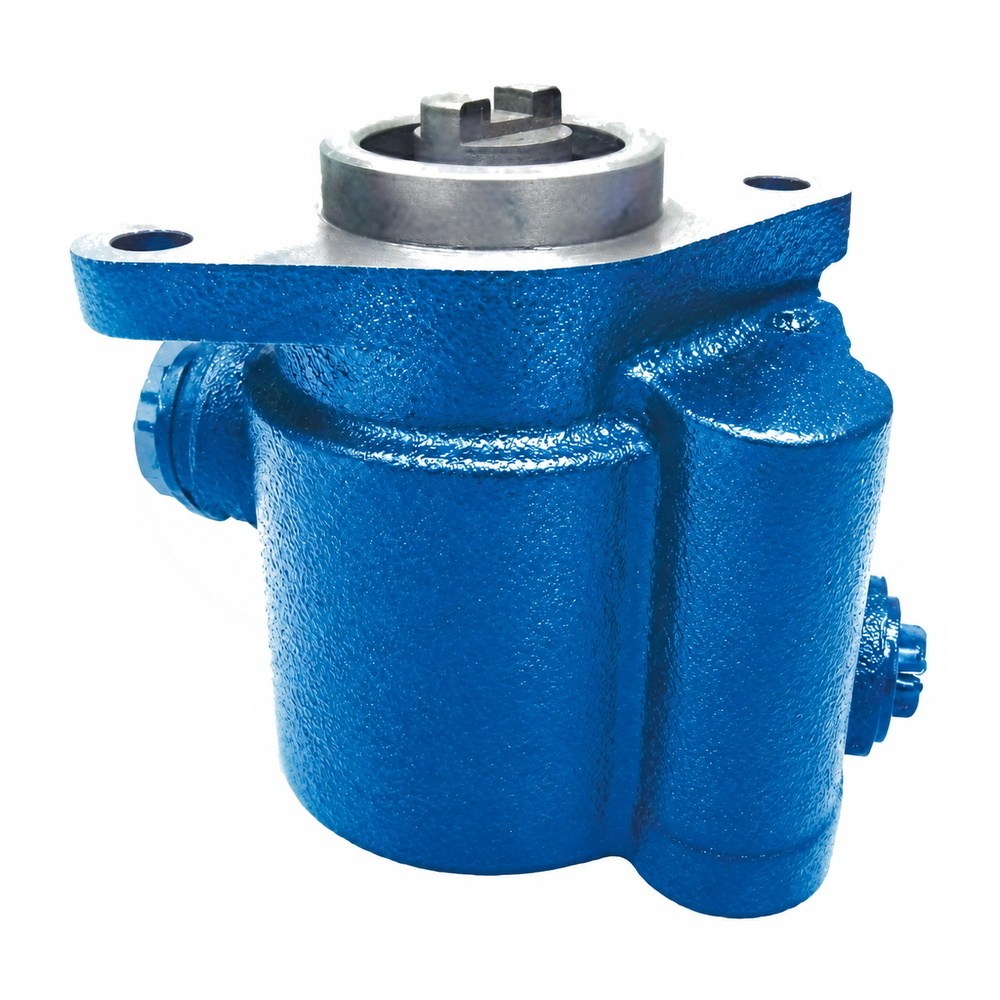
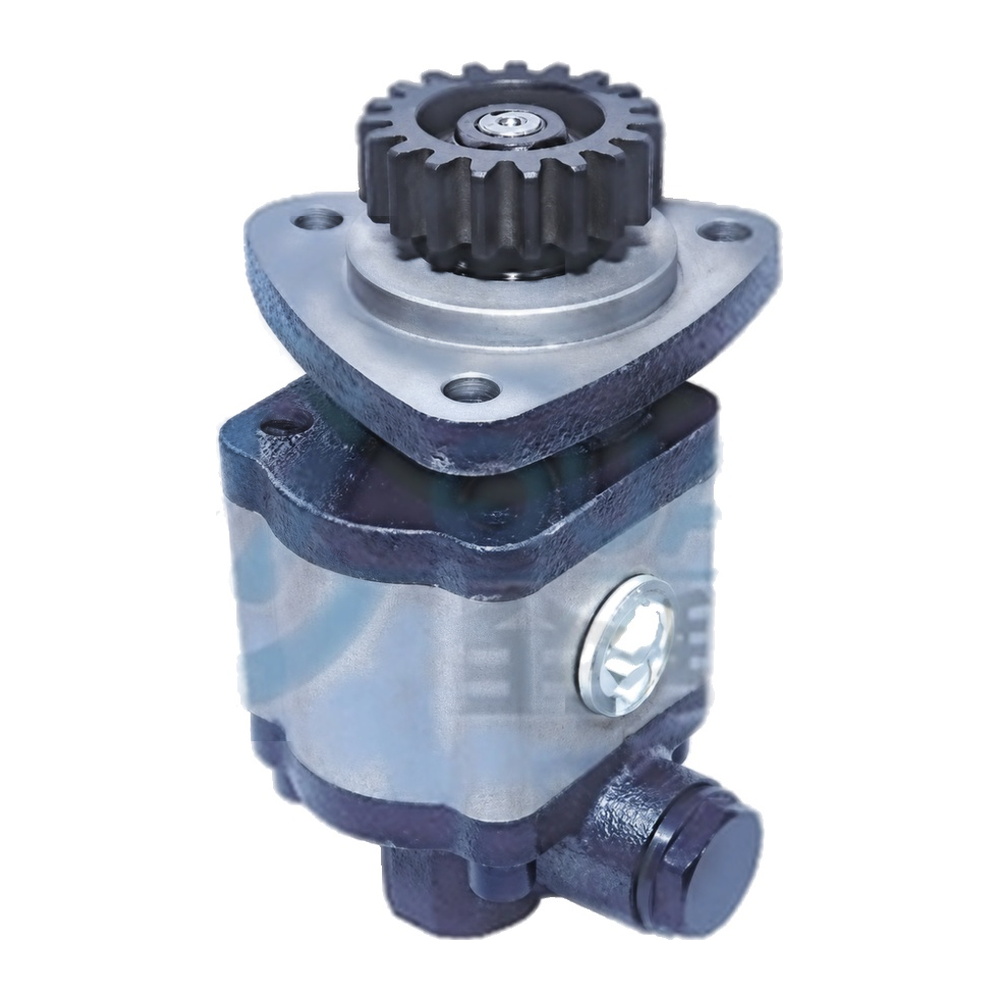
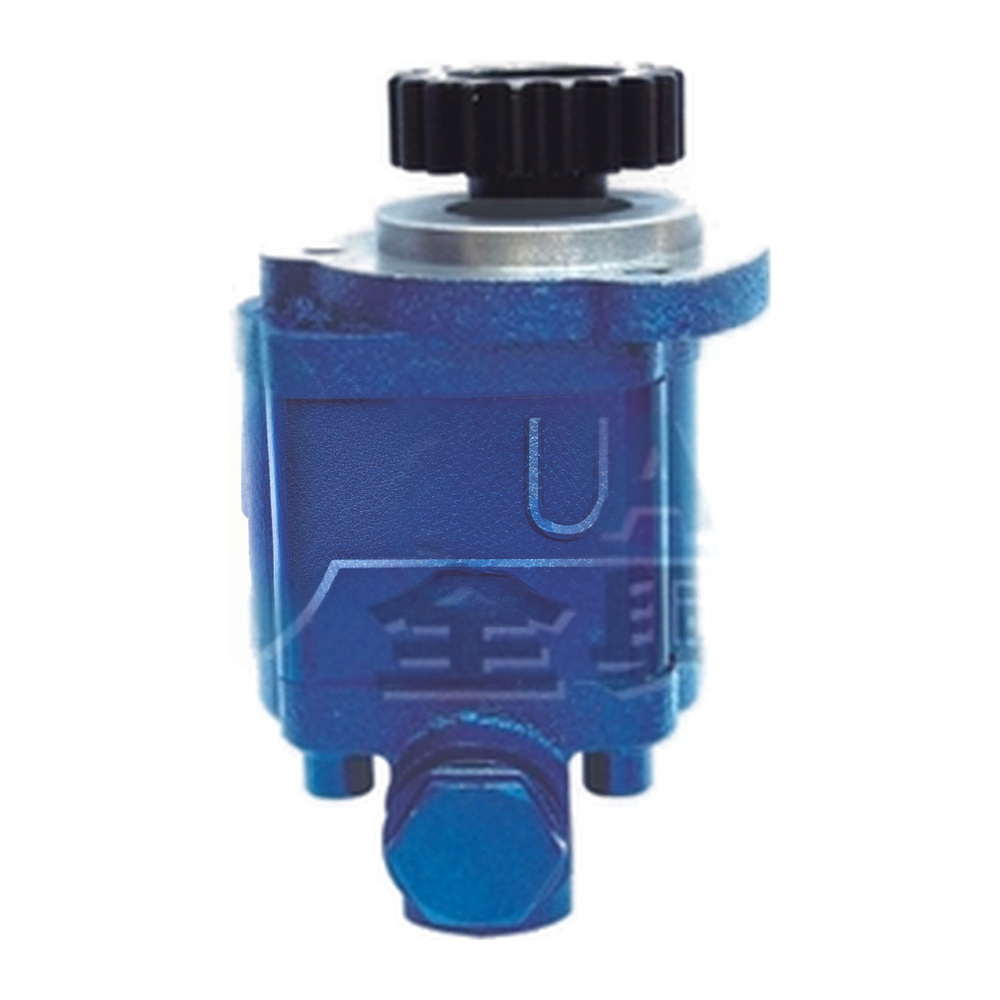
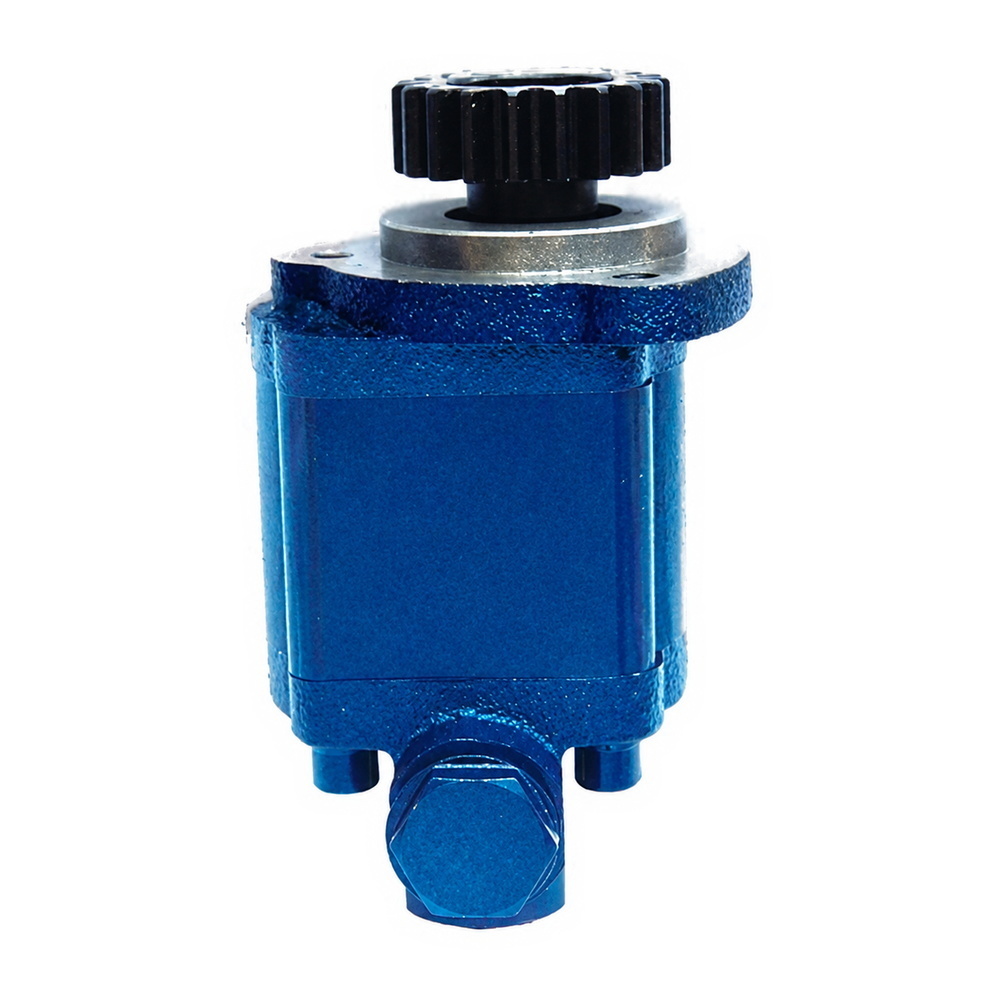
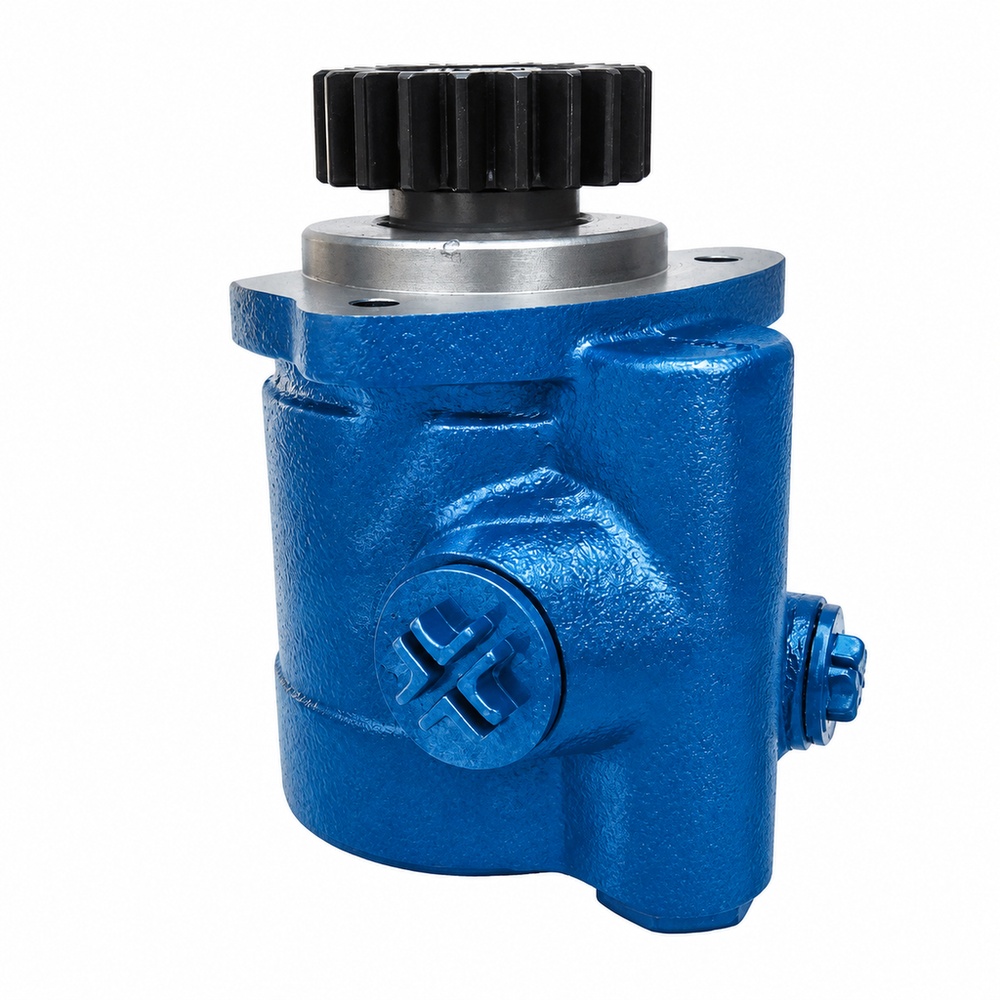
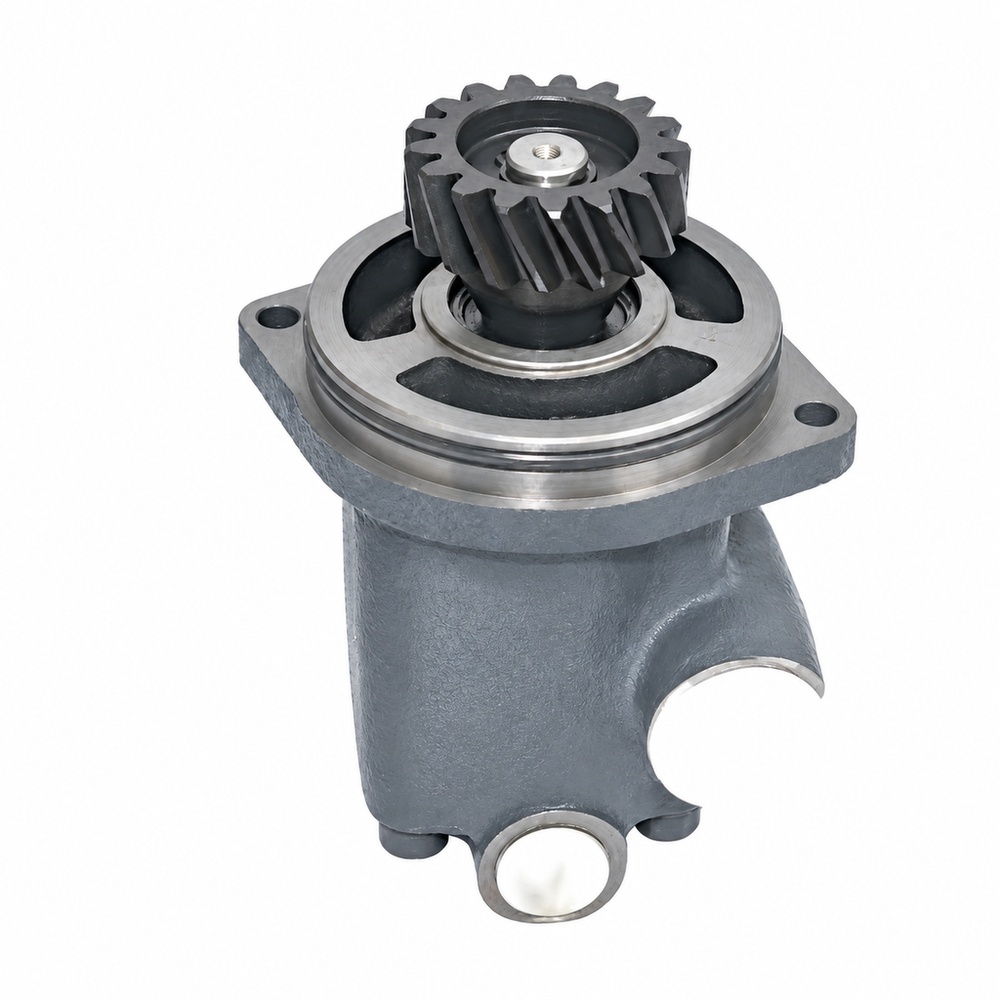
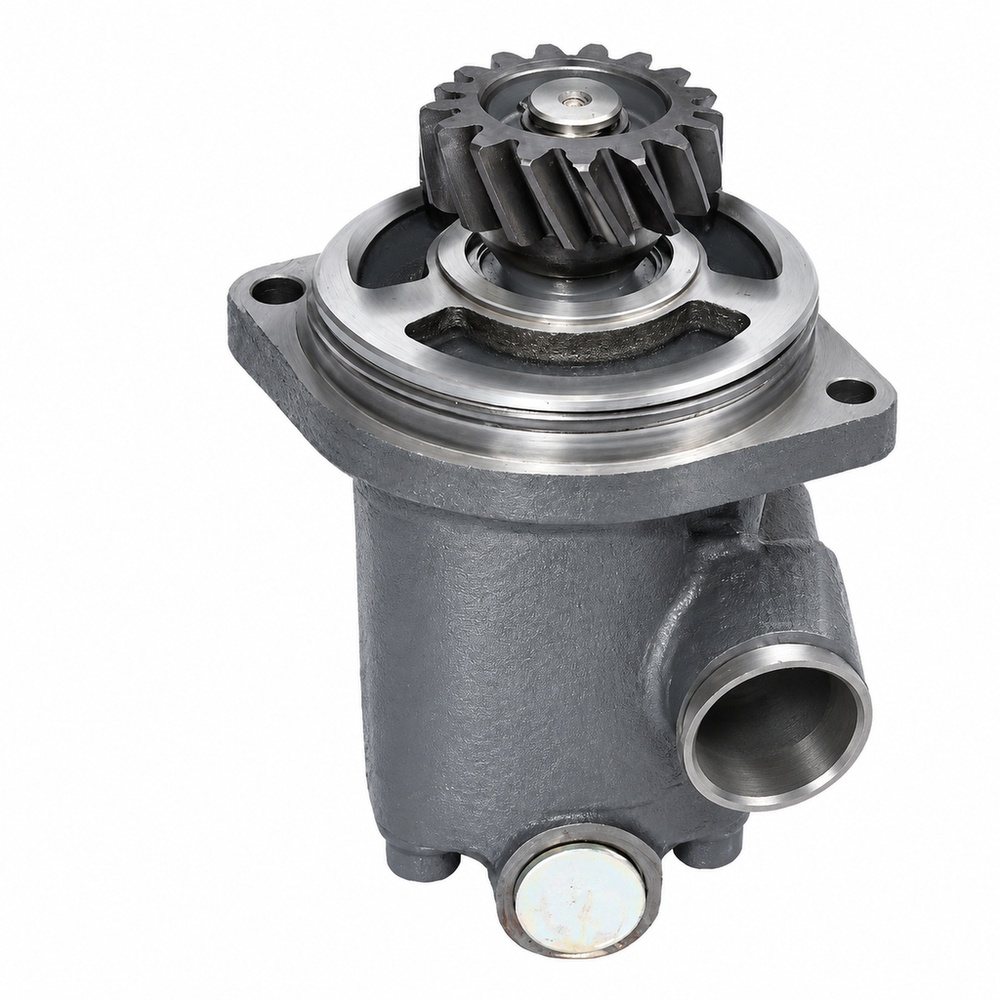
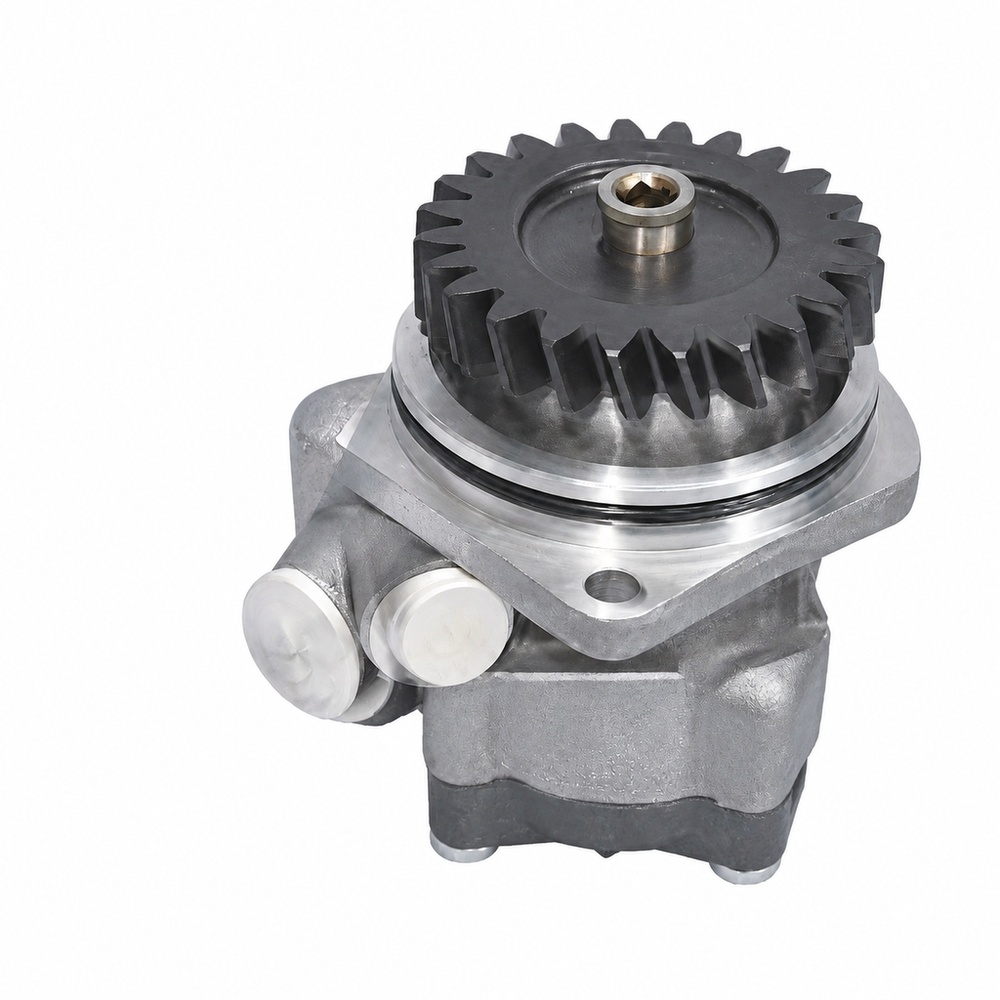
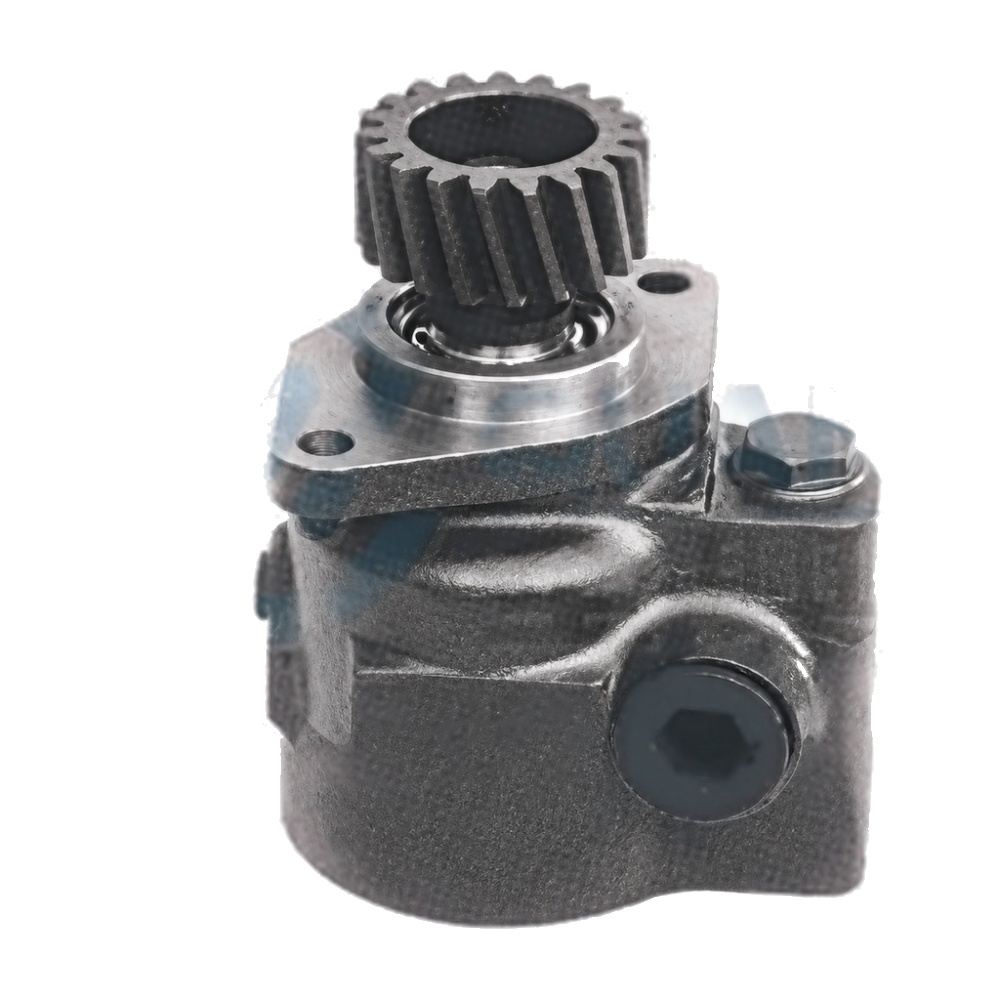
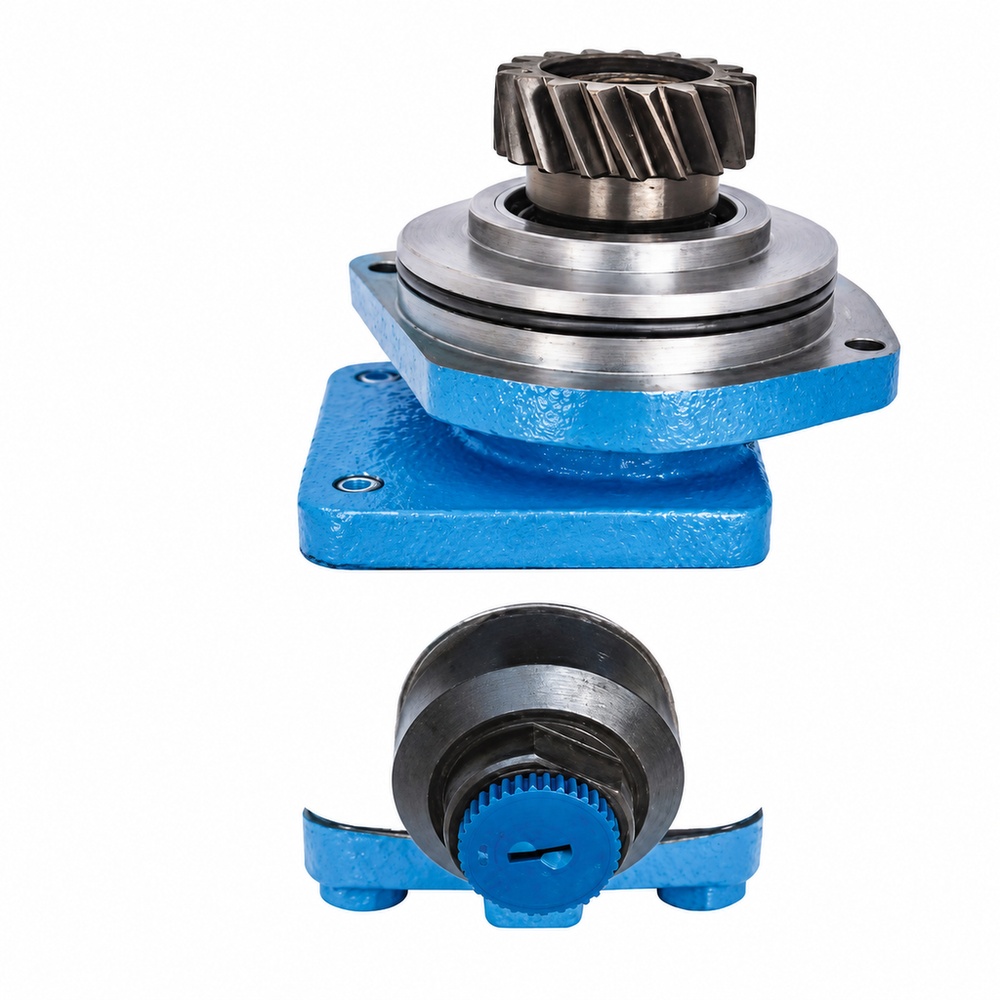
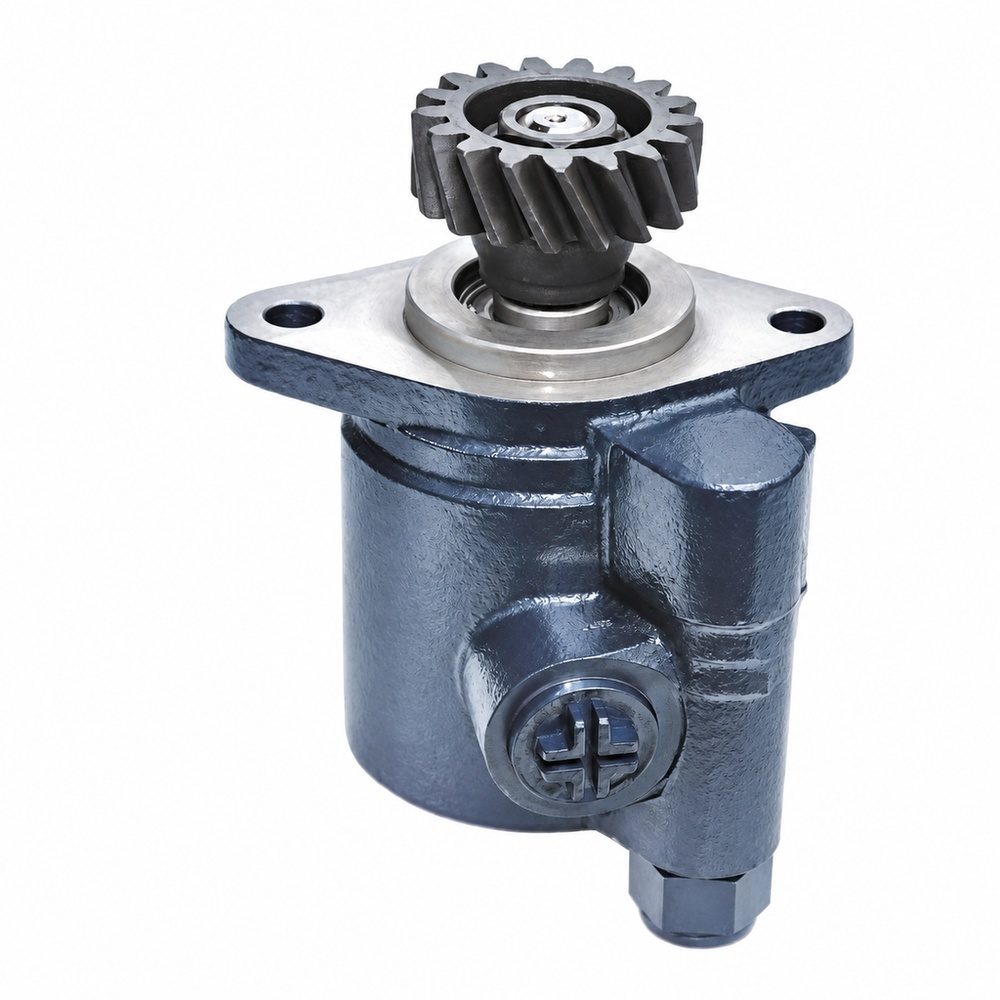
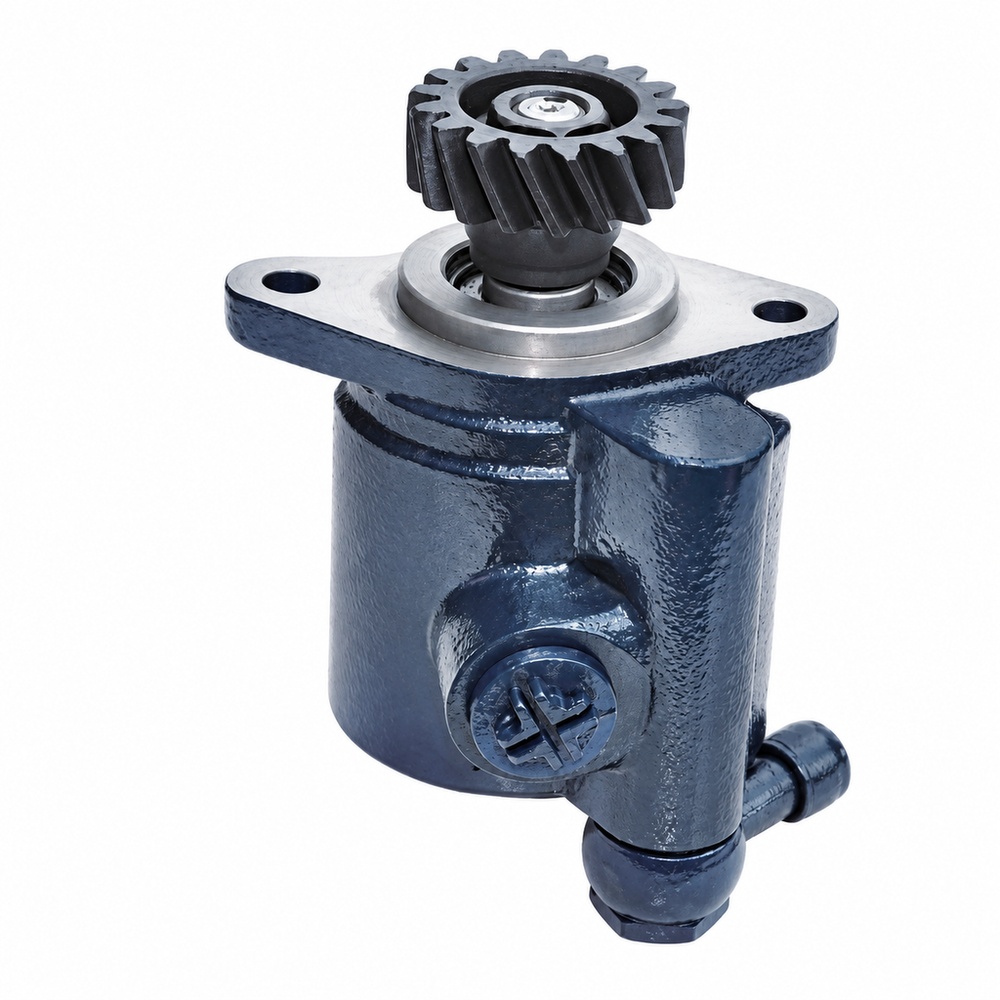
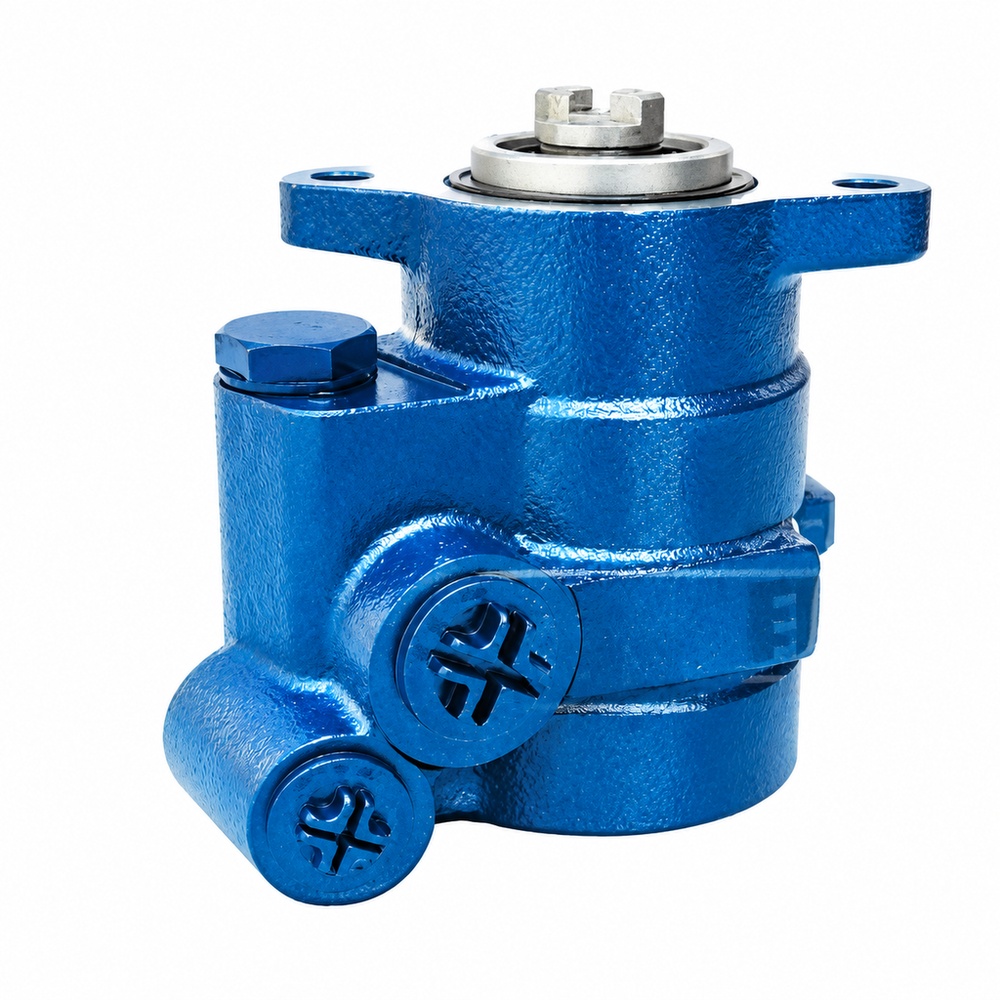
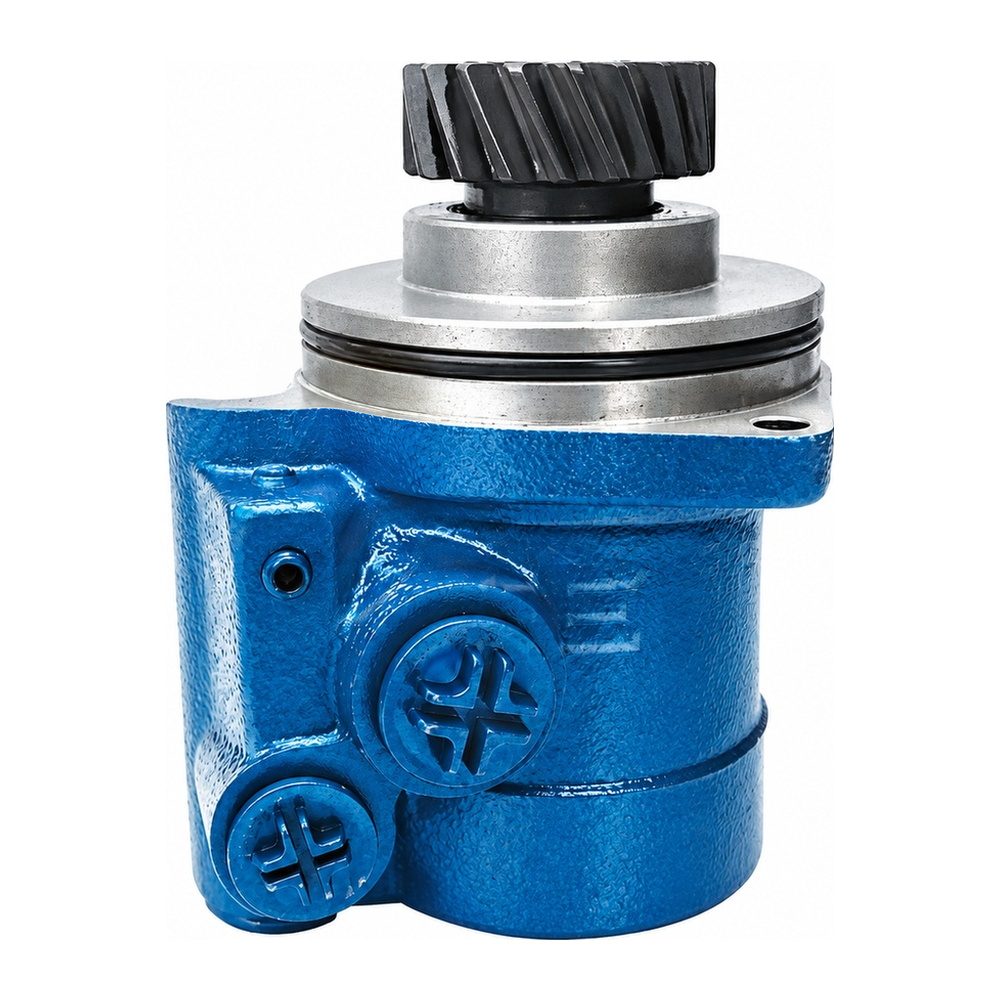
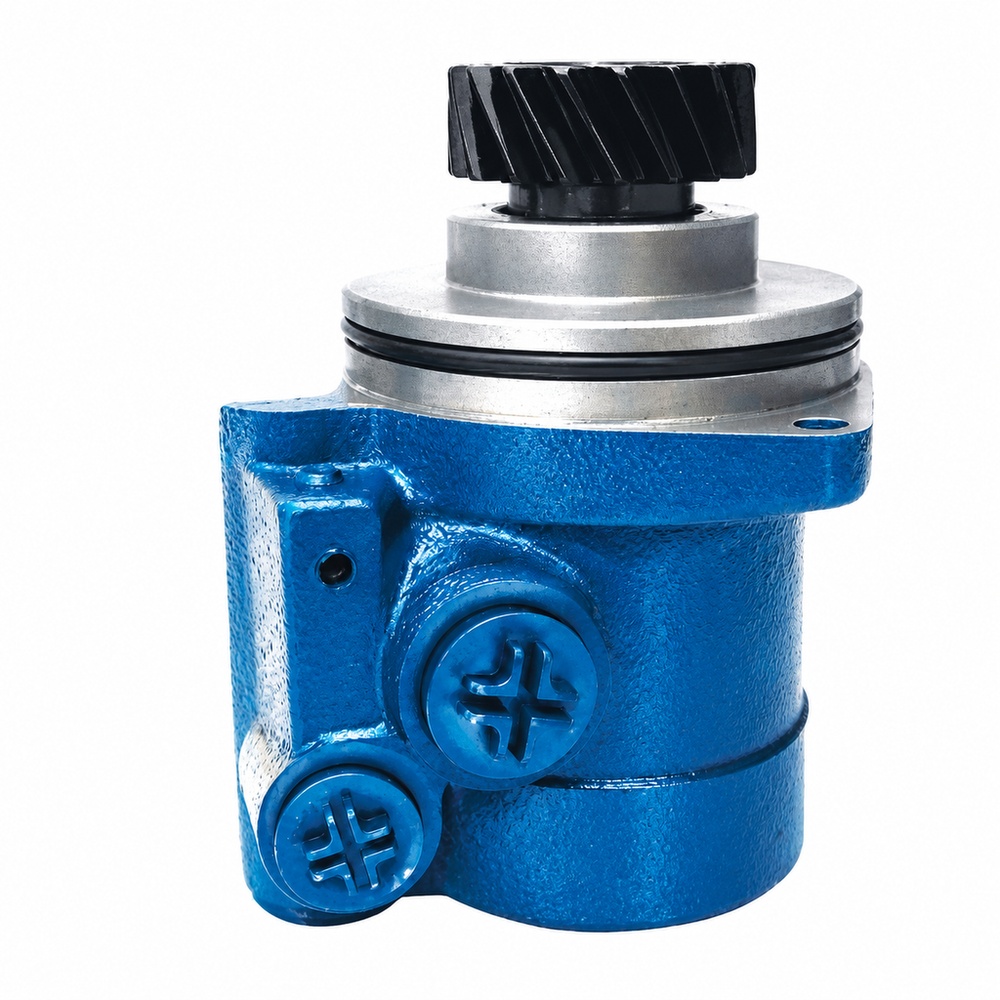
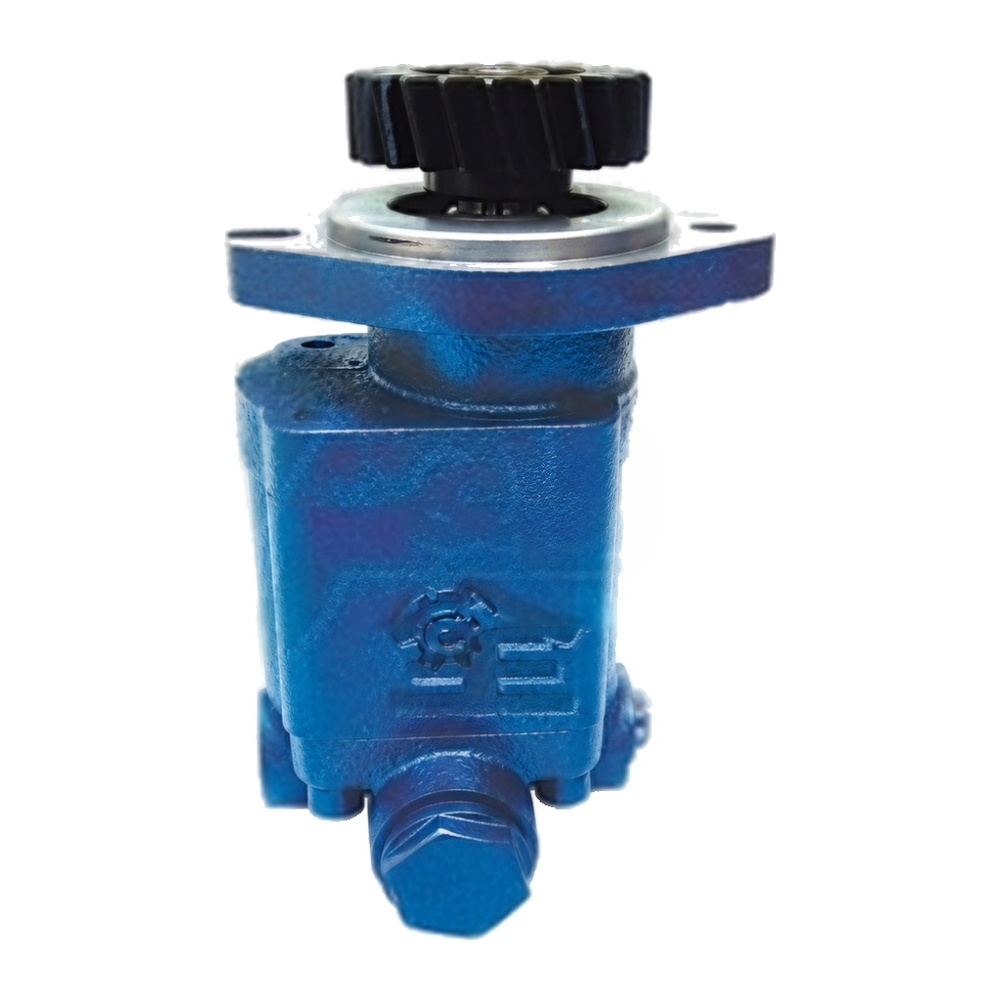
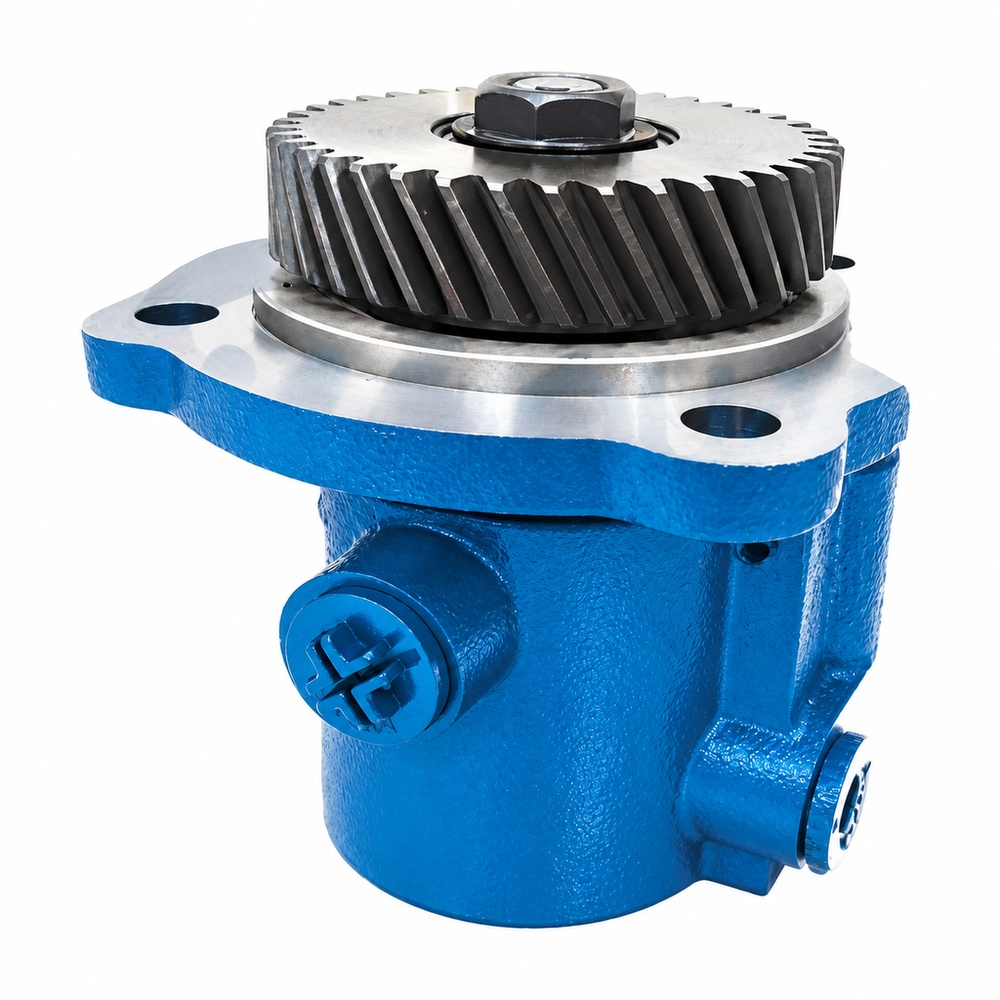
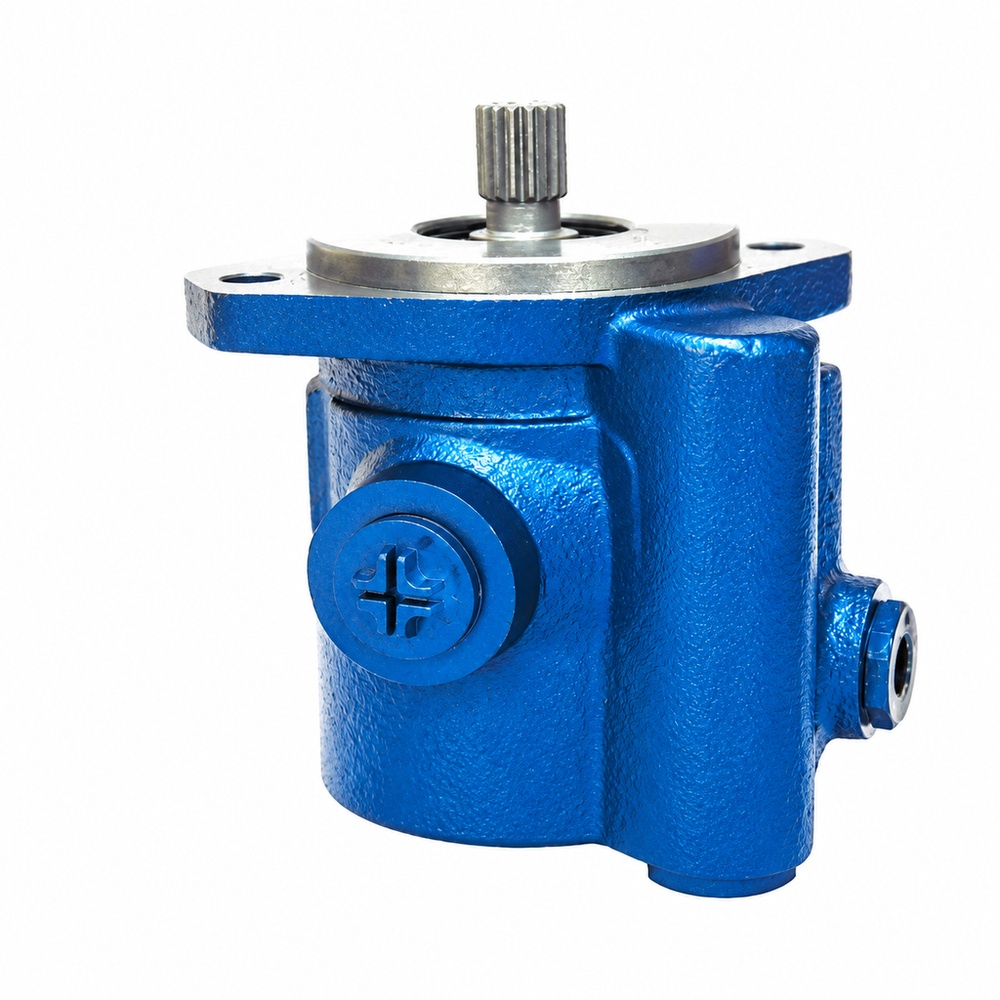
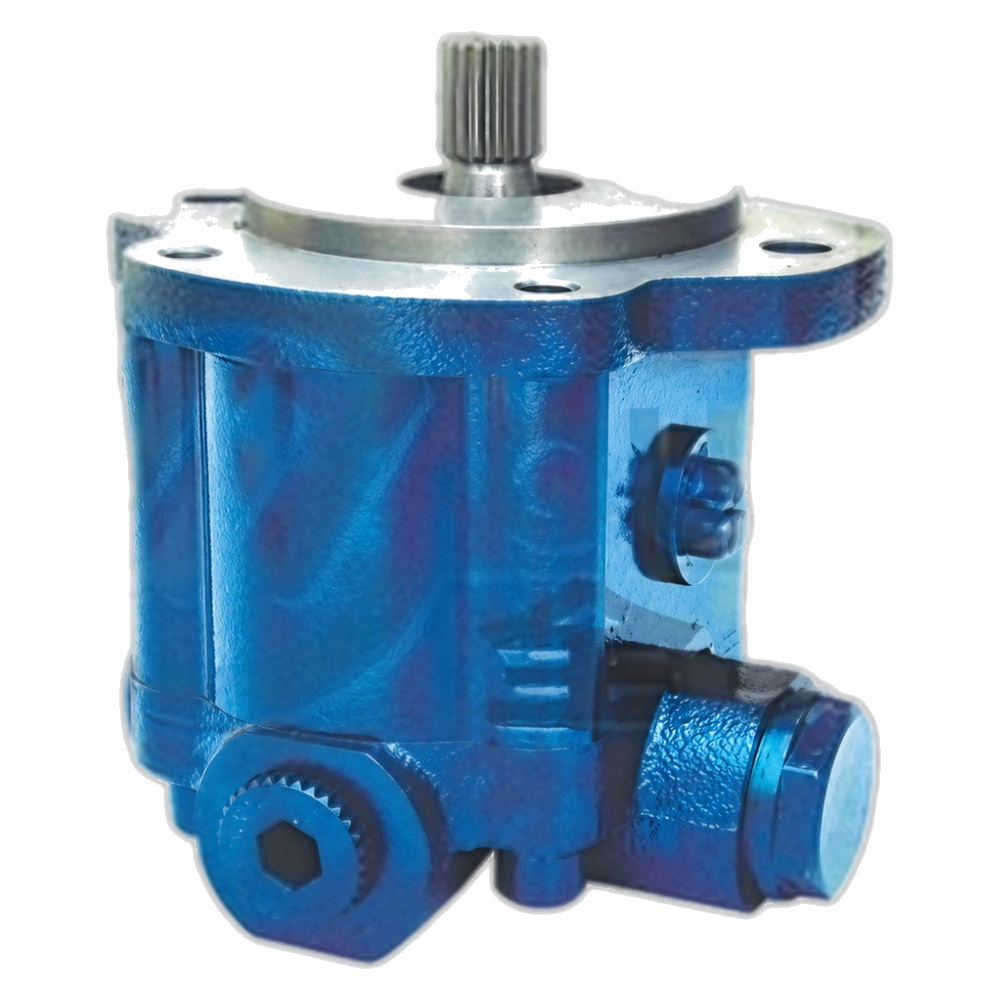
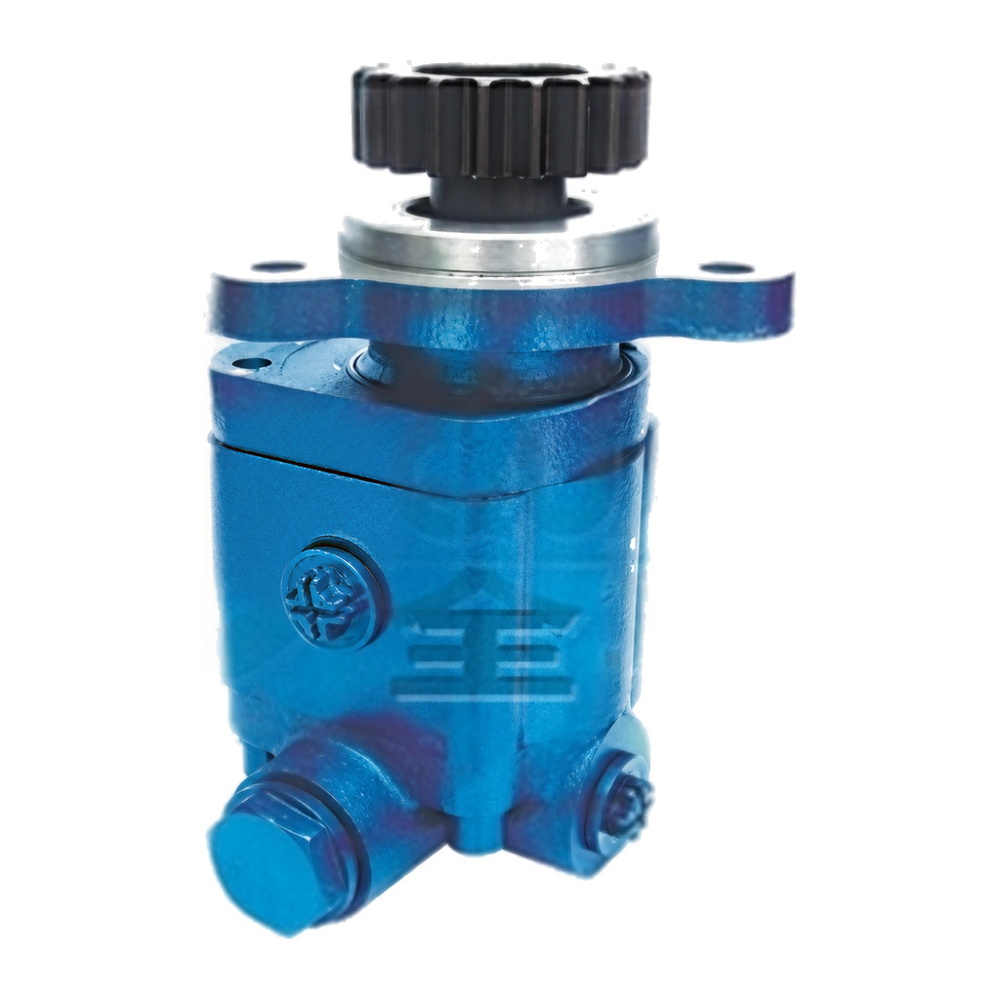
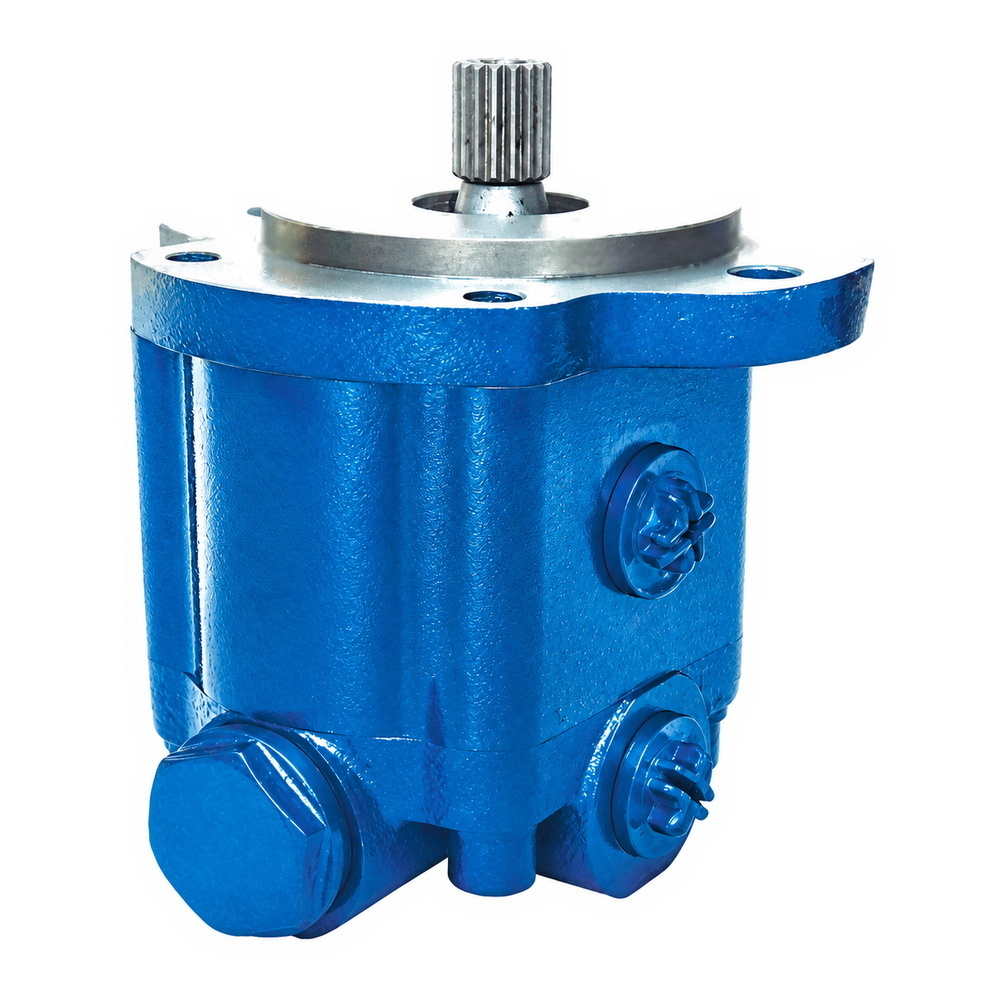
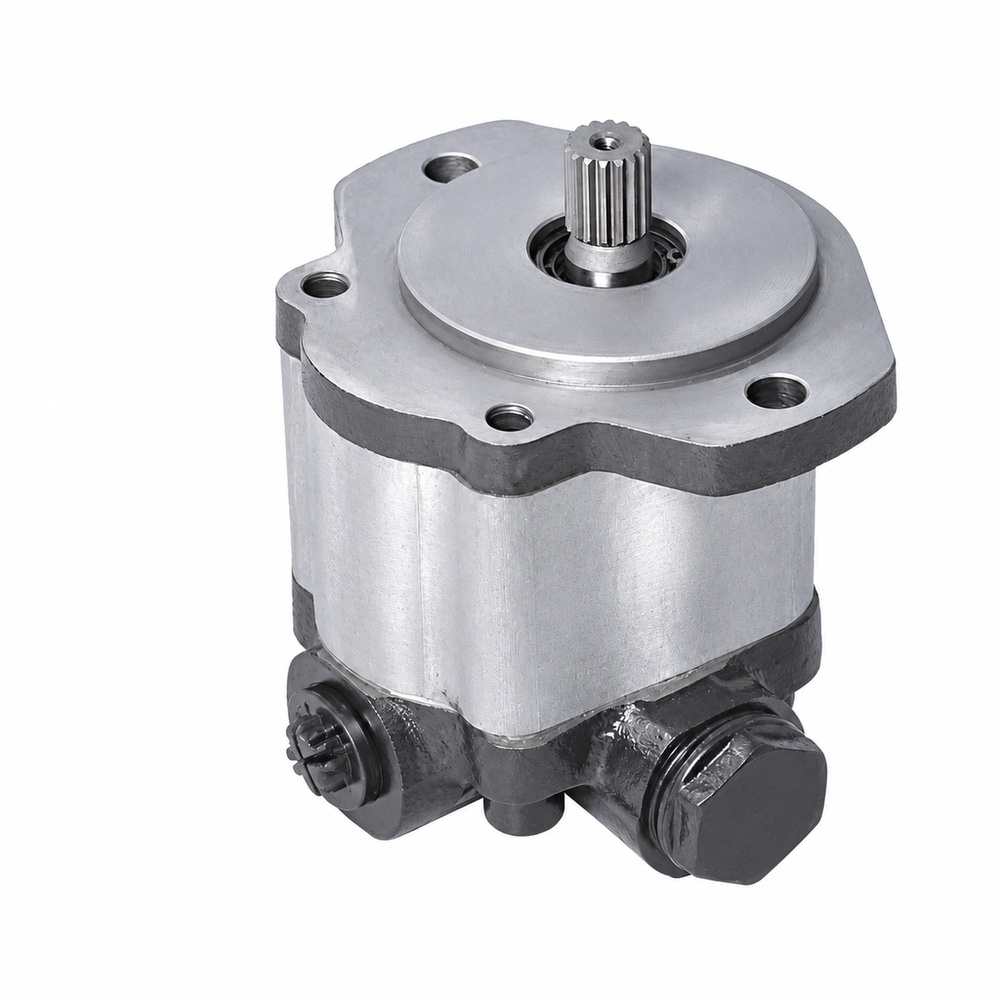
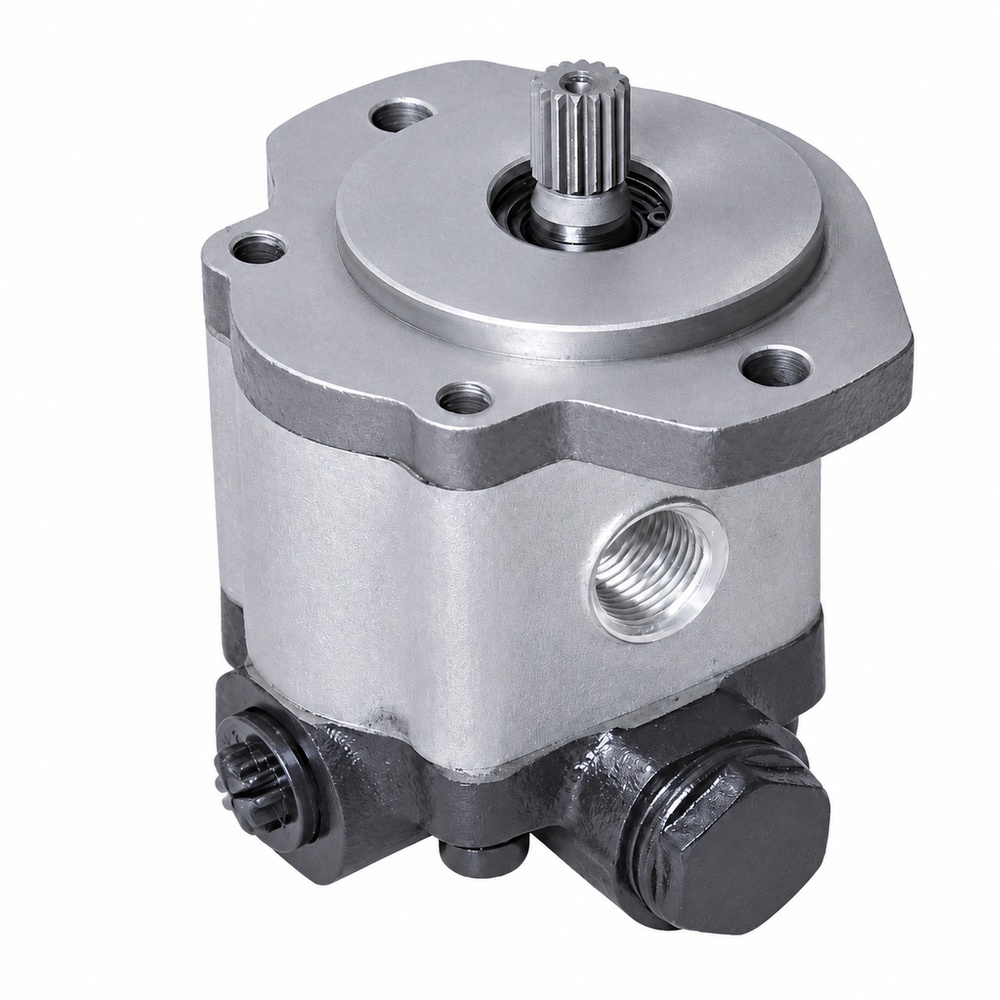
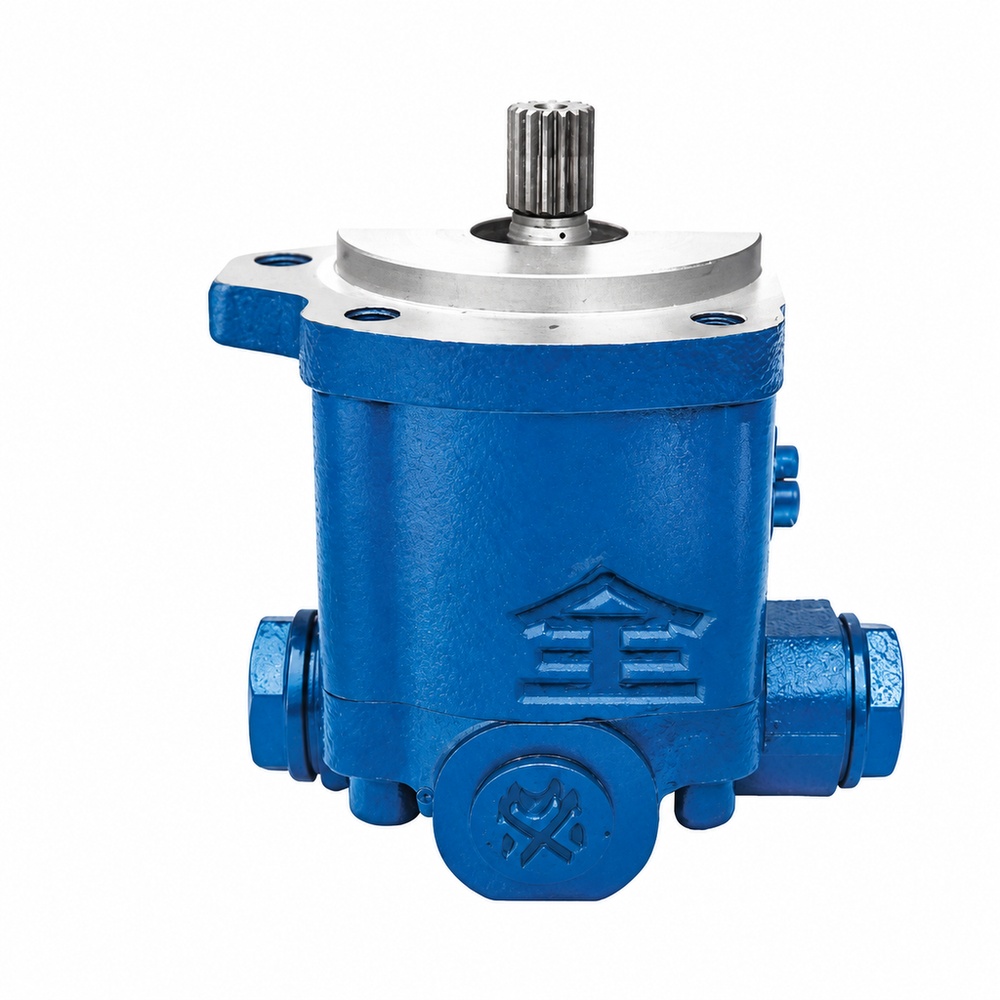
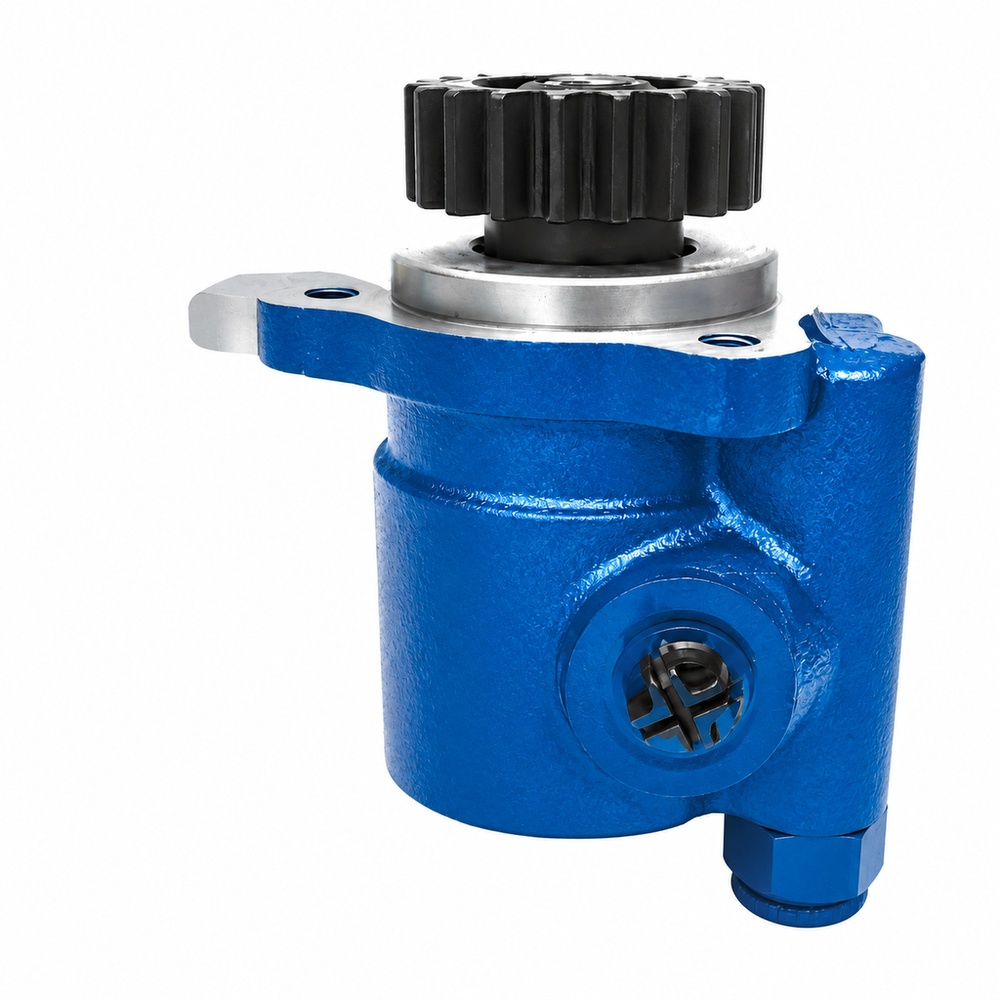
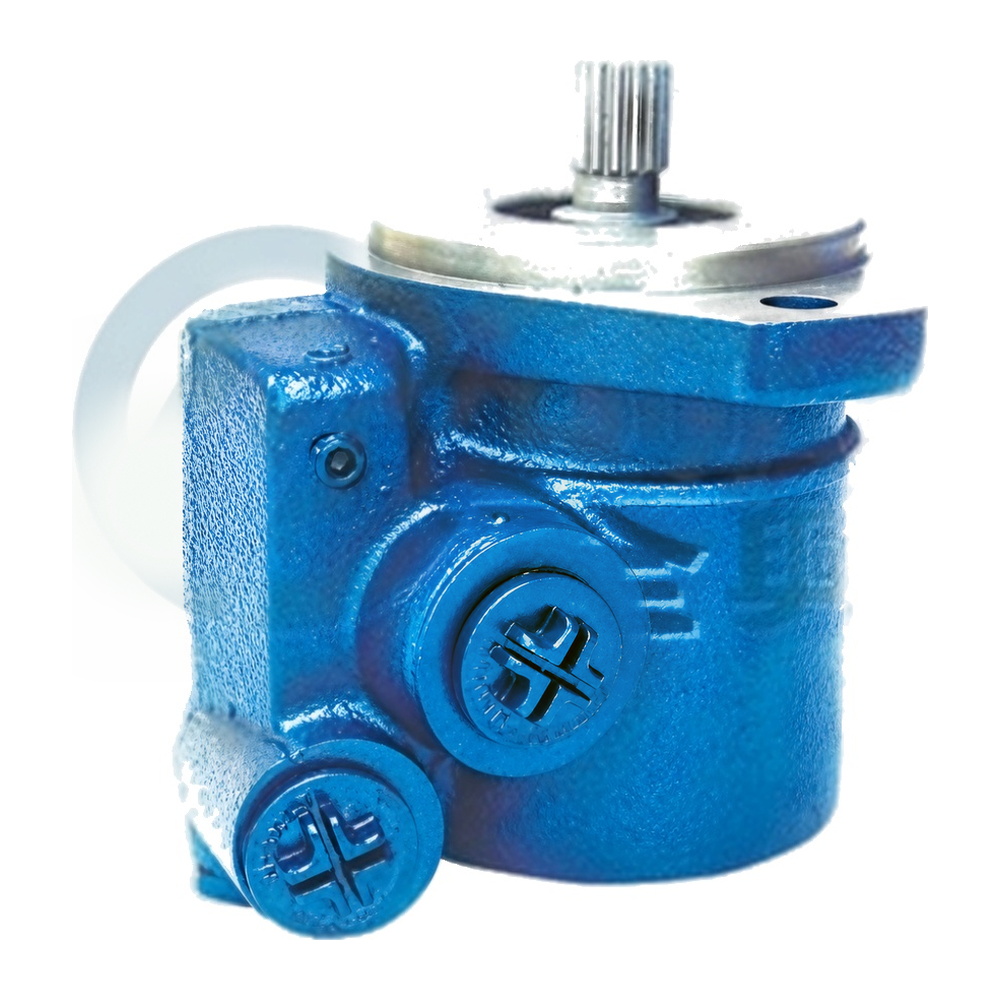
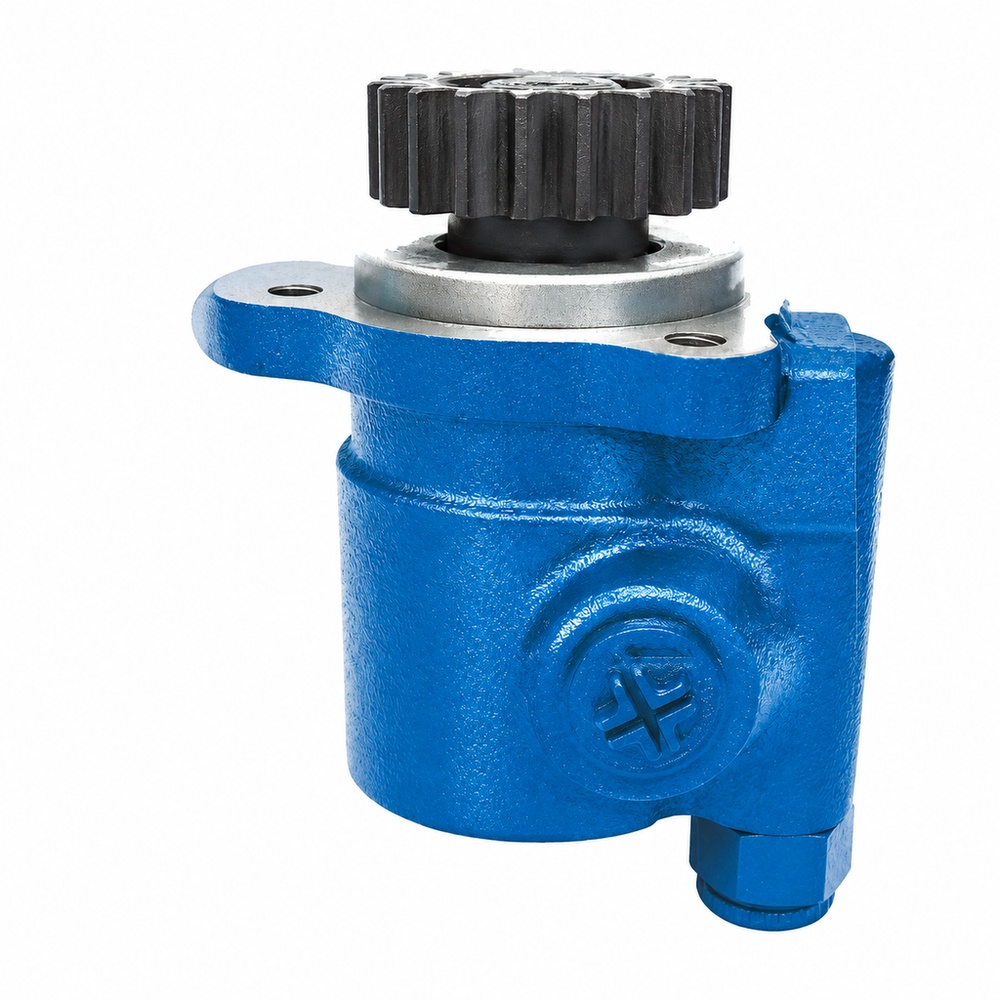
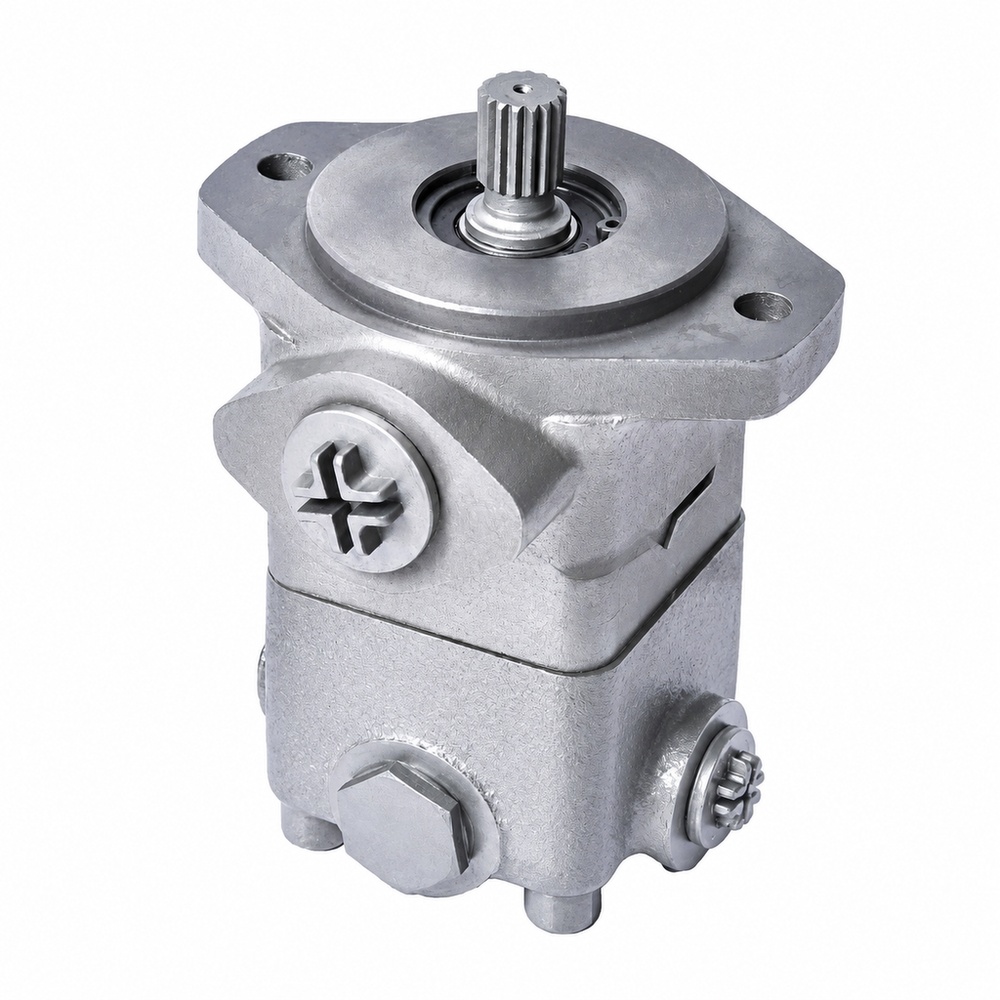
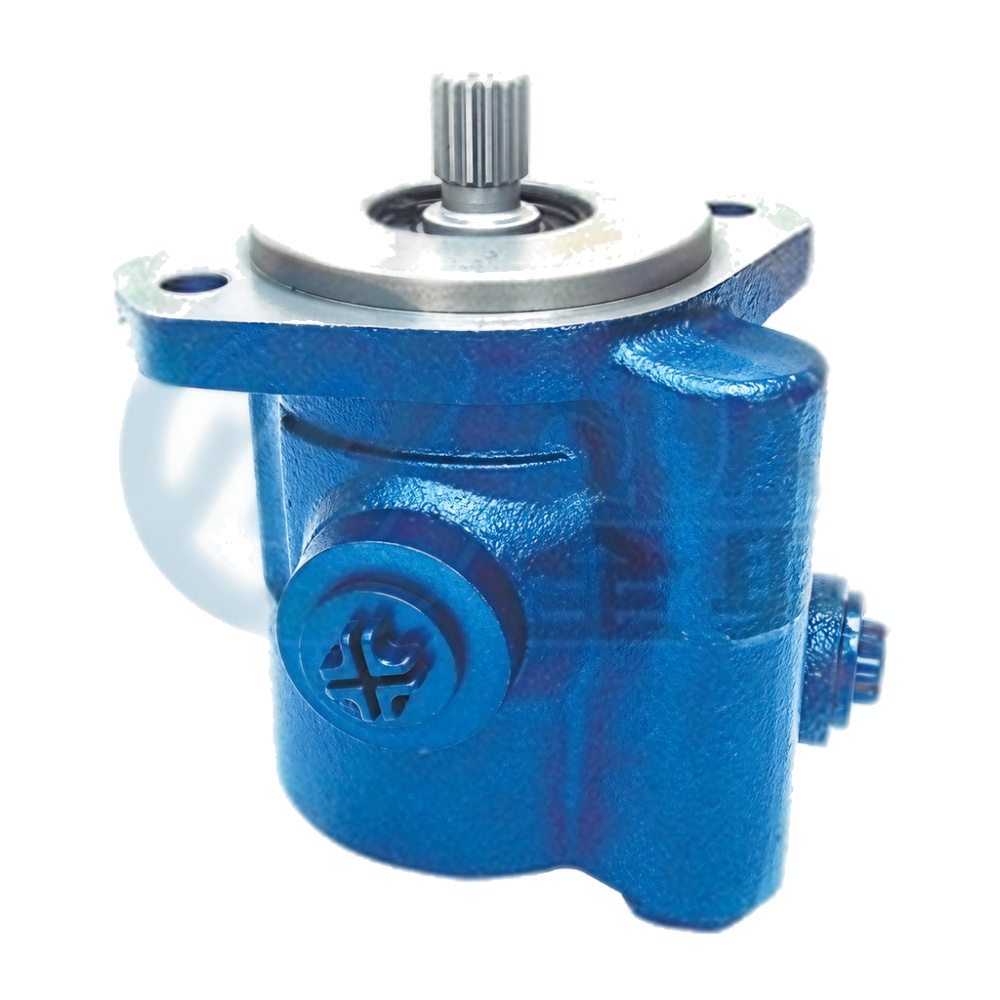
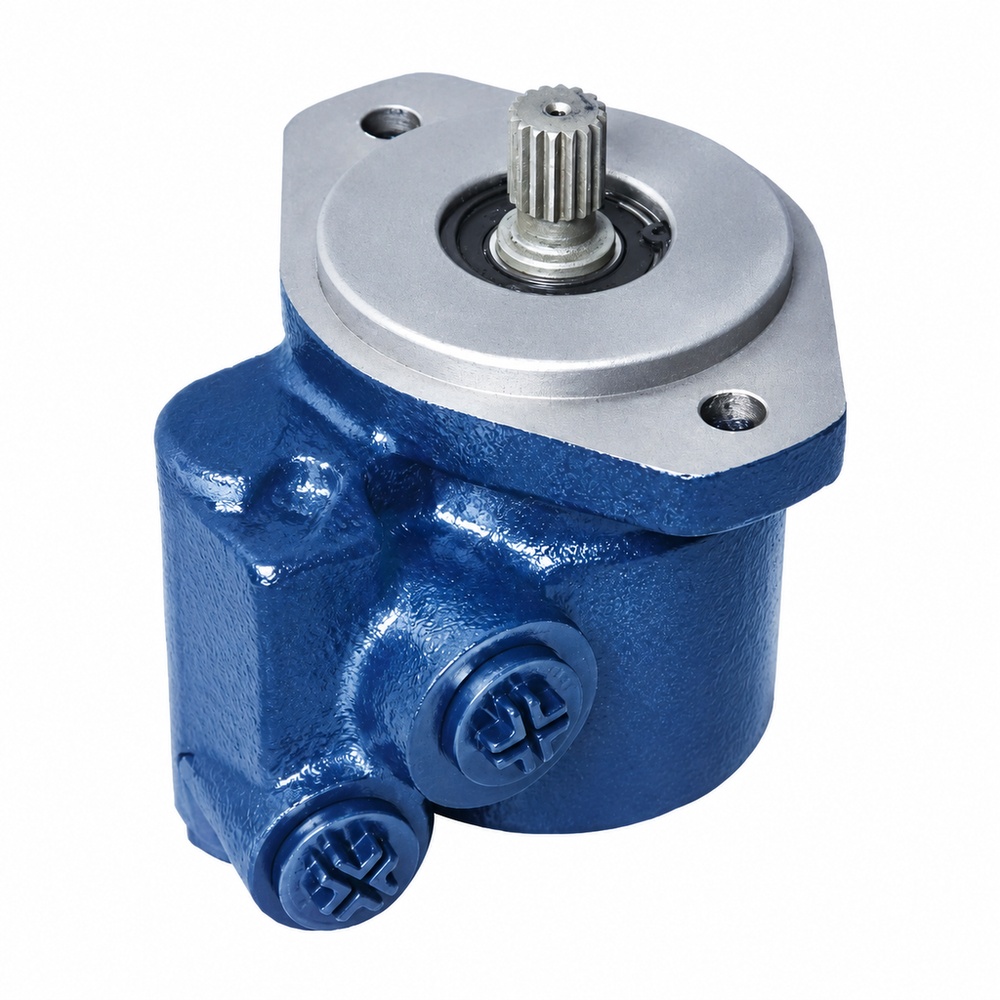
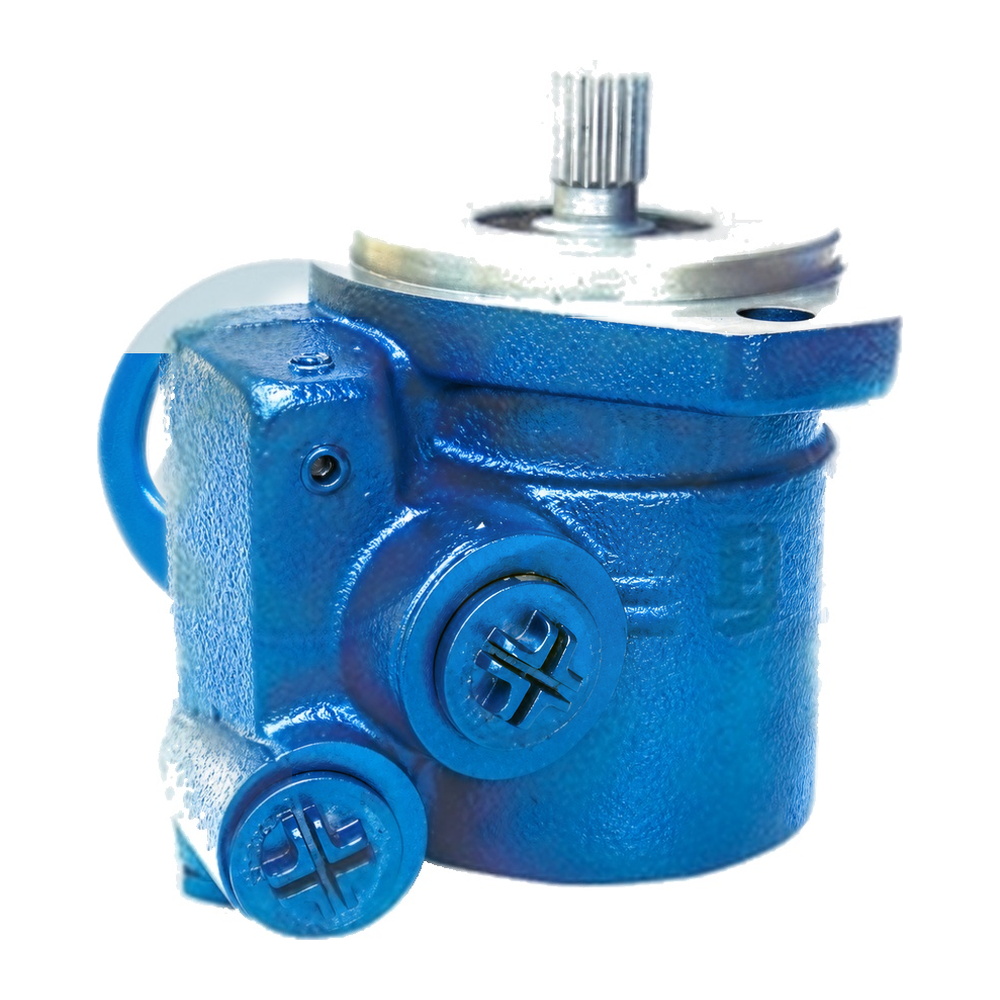
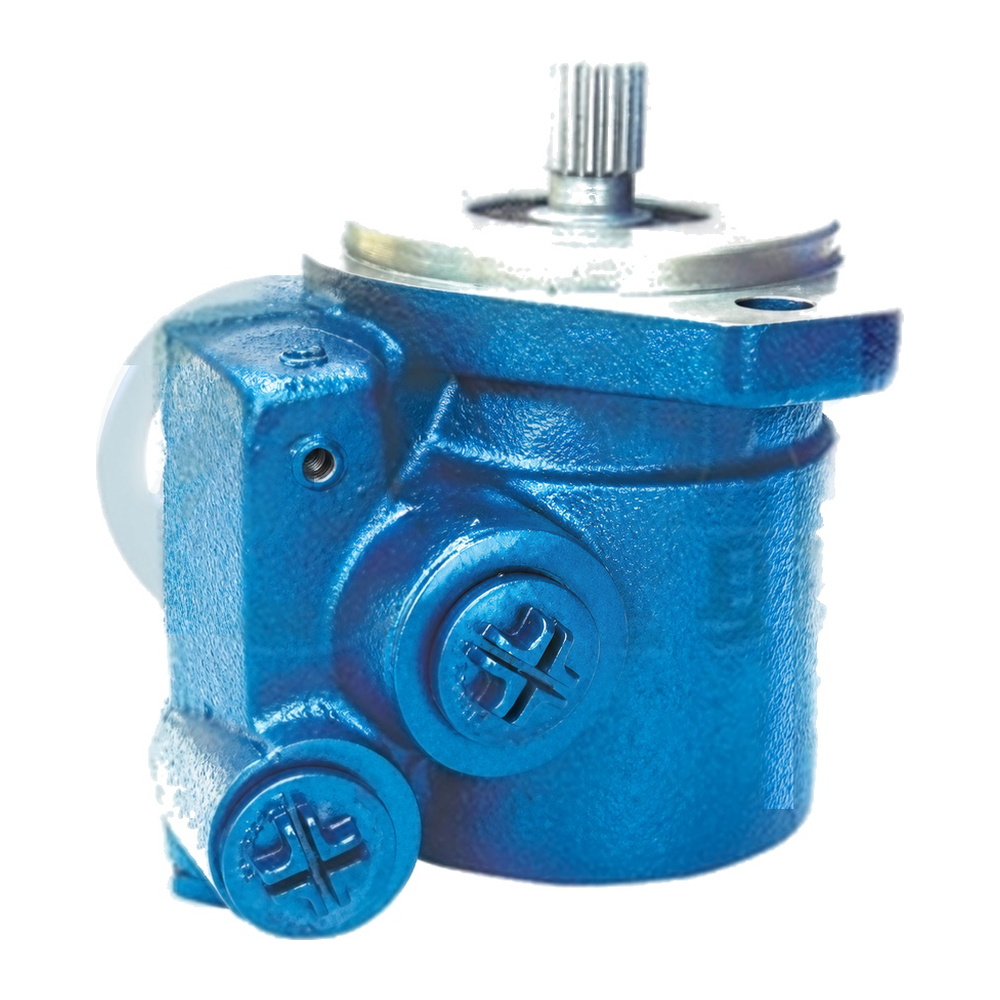
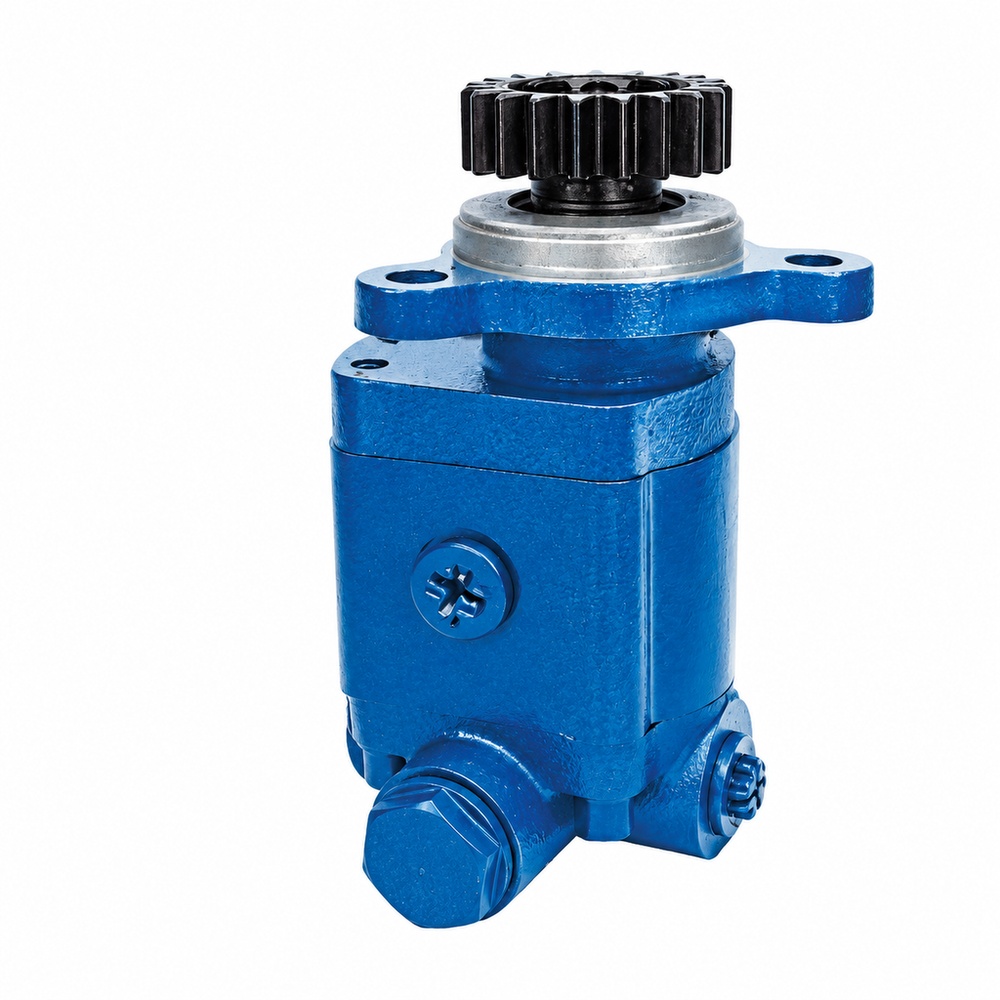
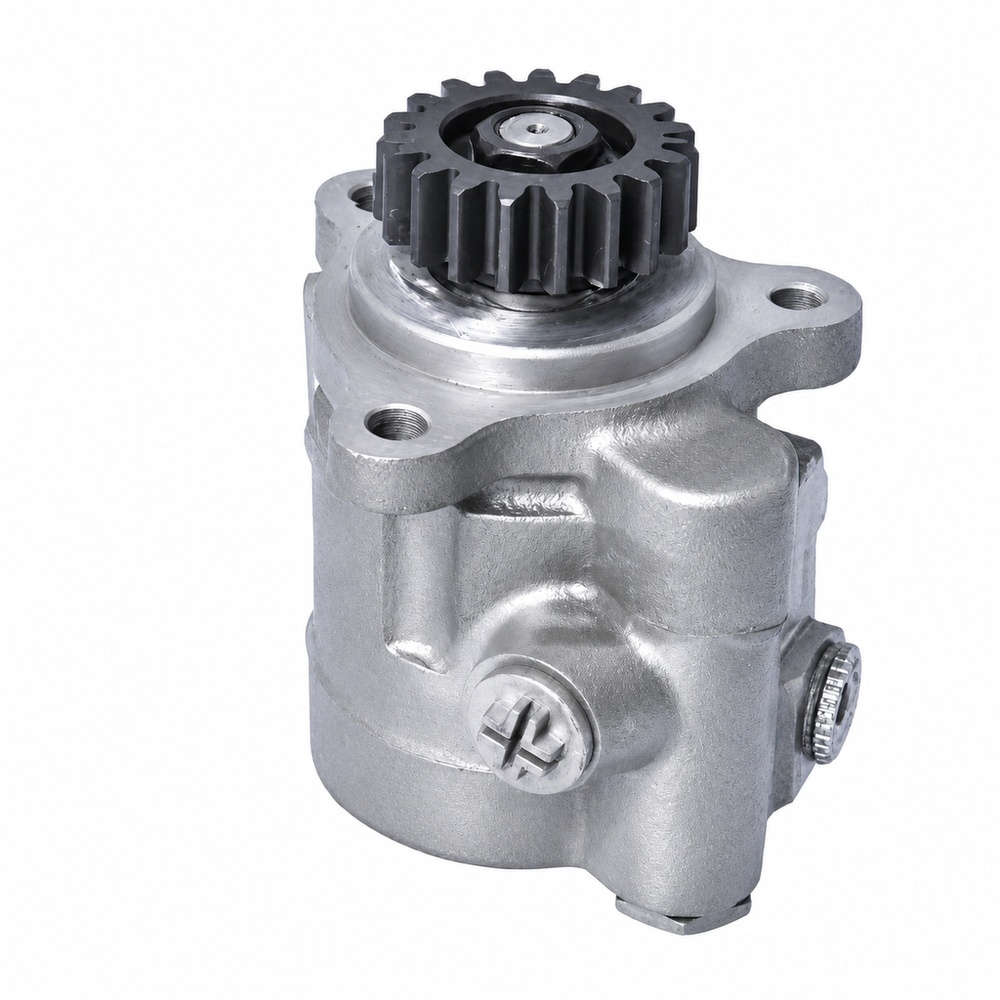
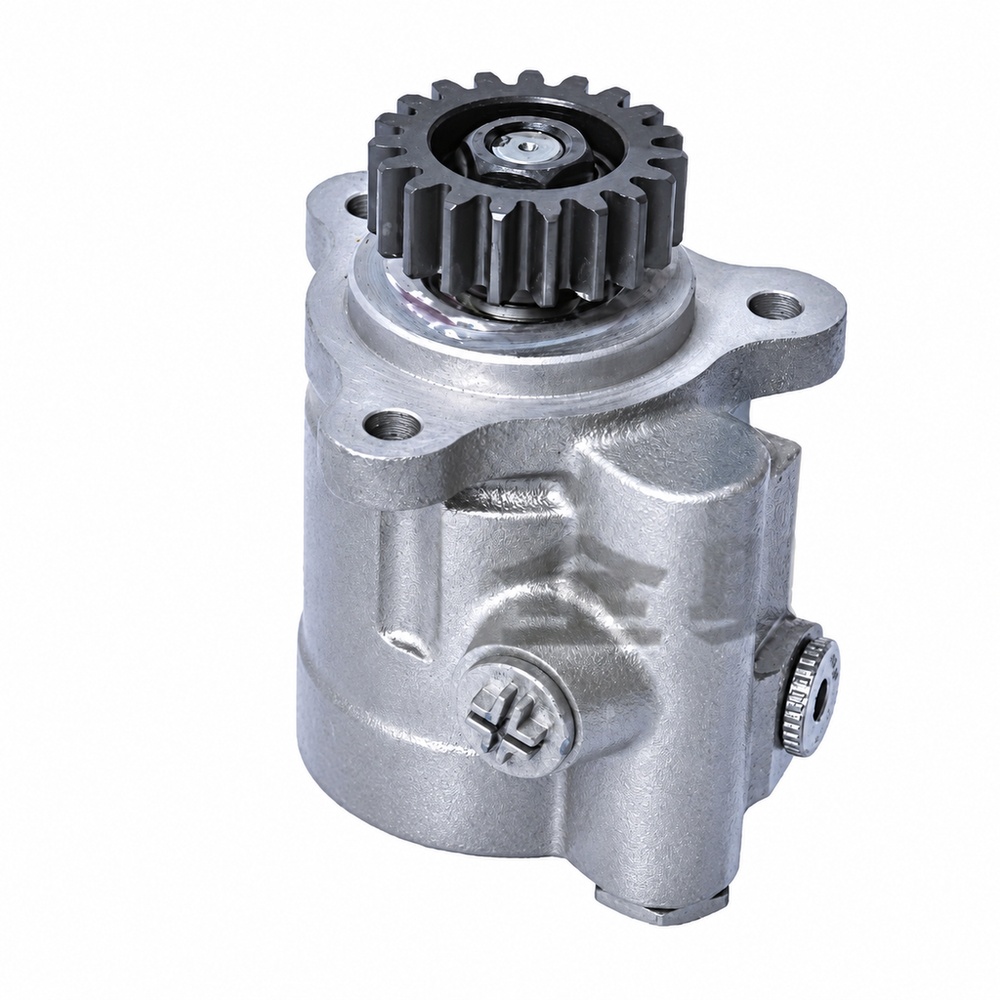
Browse 1,812 Power Steering Pump part numbers with OE cross-reference and fitment notes for passenger cars, SUVs, pickups and vans. Export packing available - send an inquiry for price and lead time.
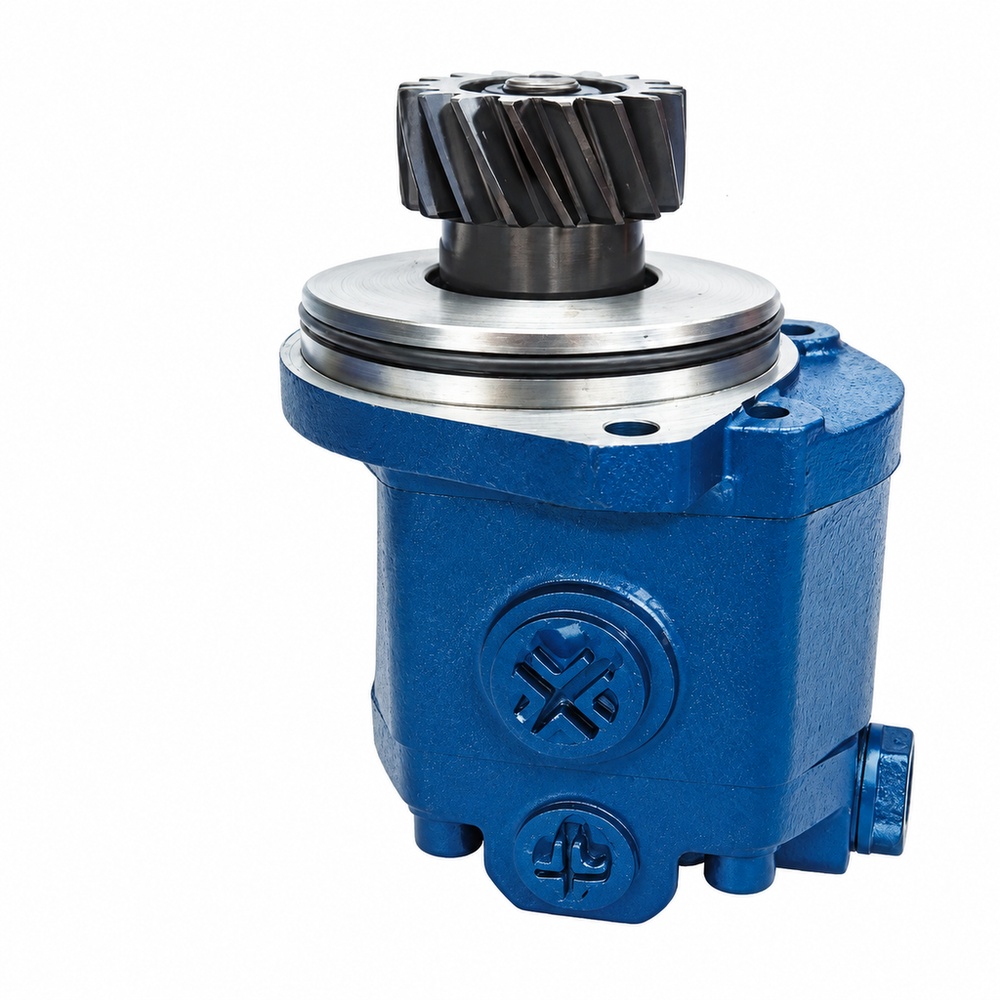
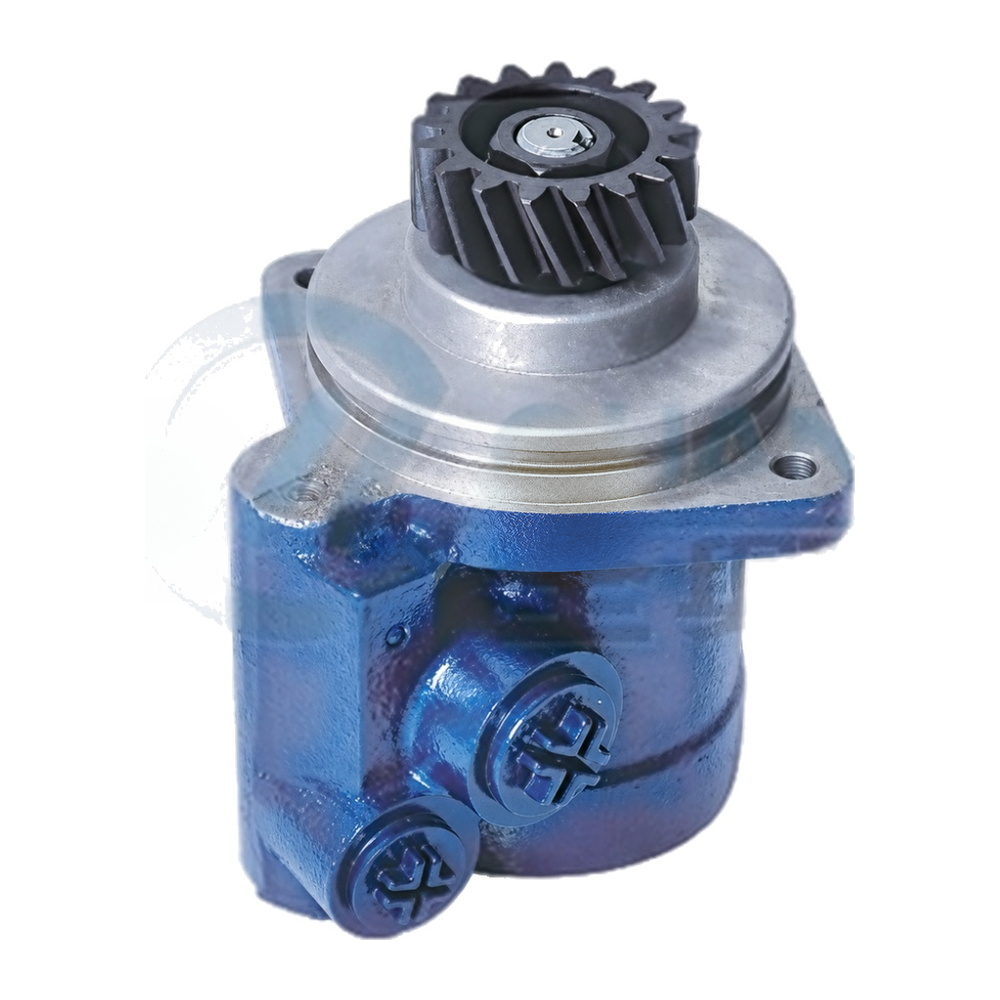
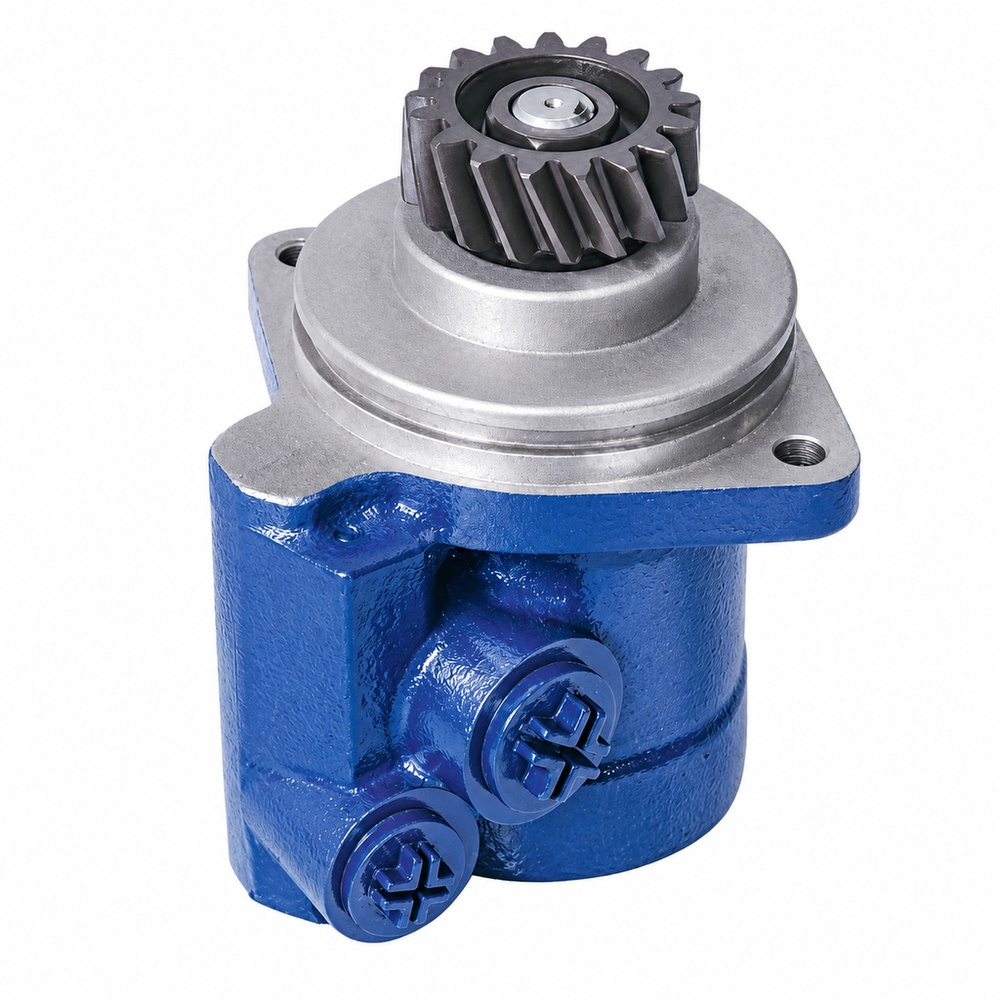
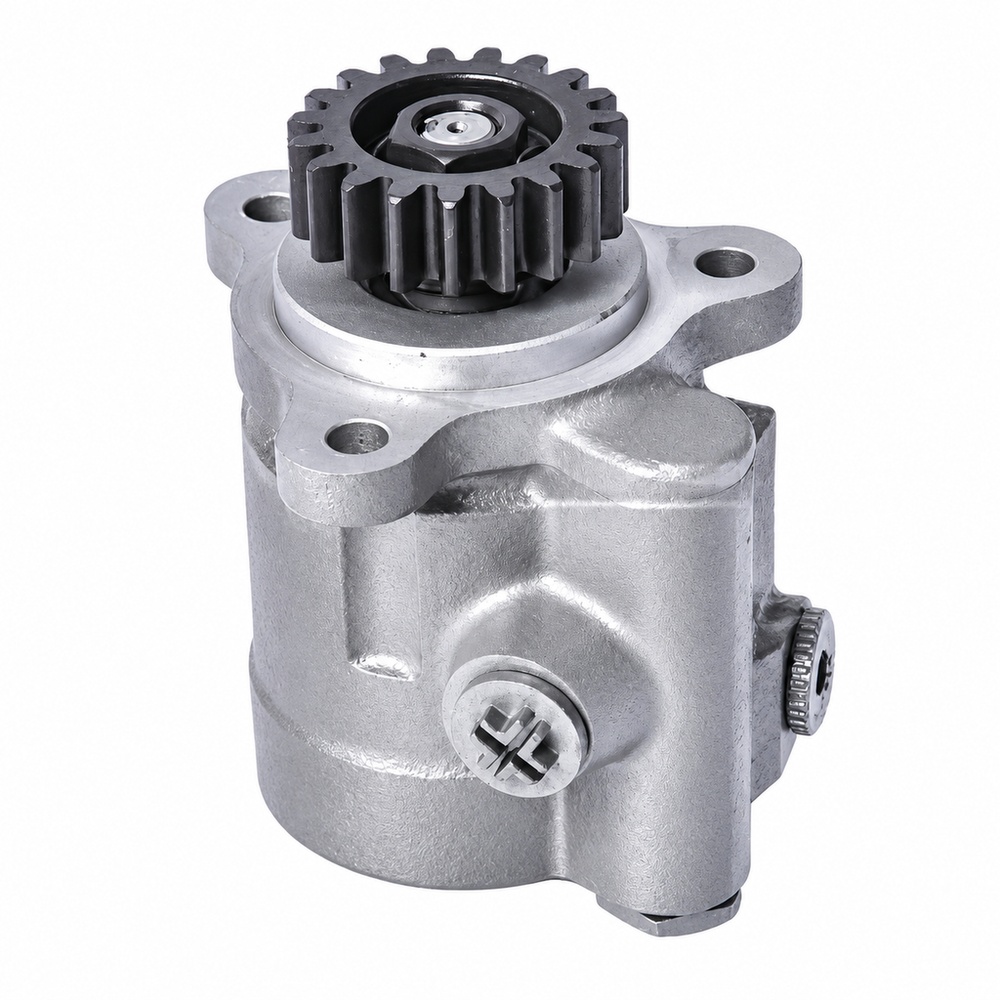
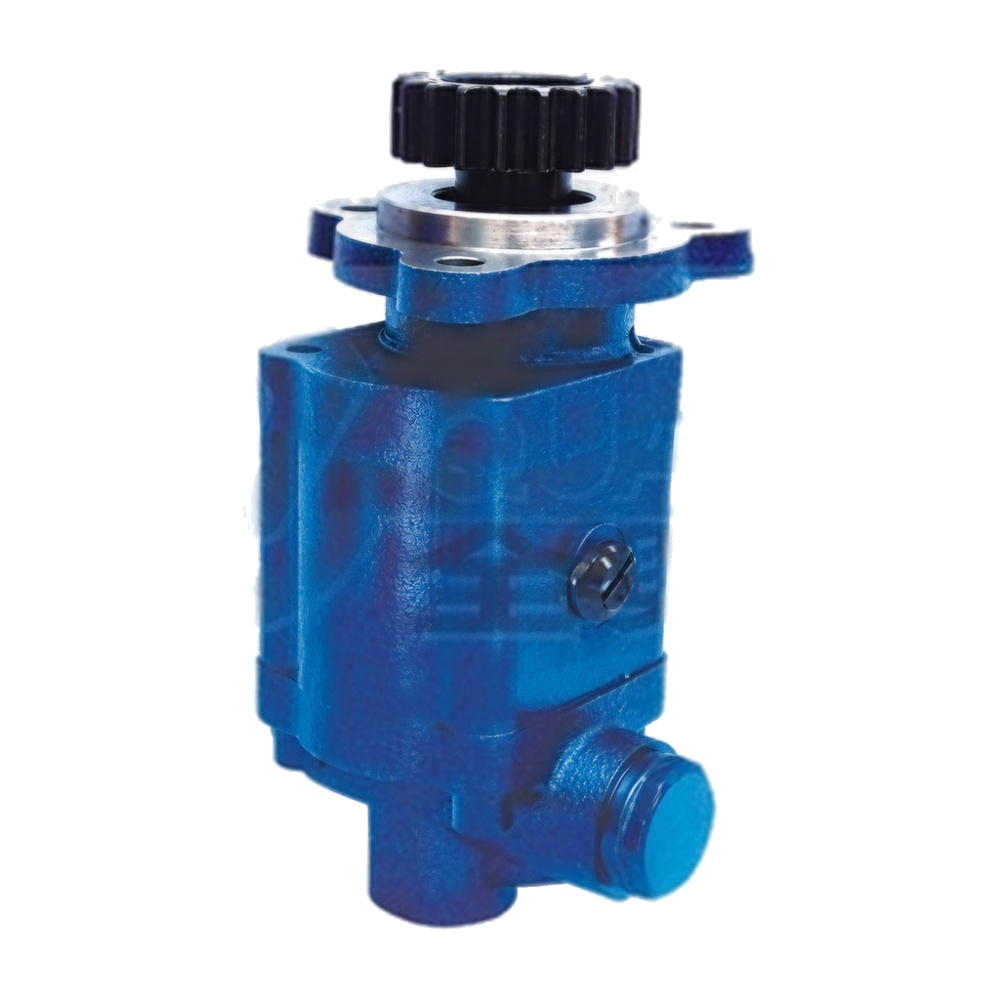
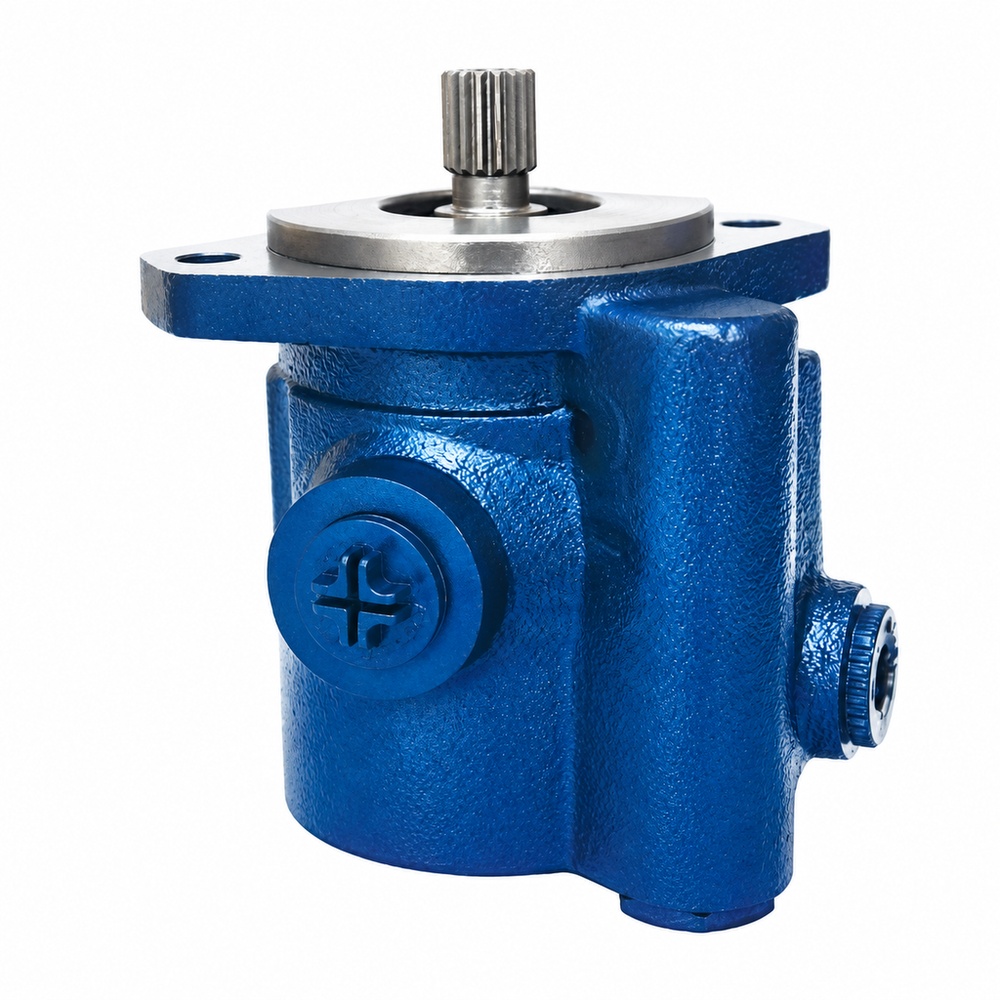
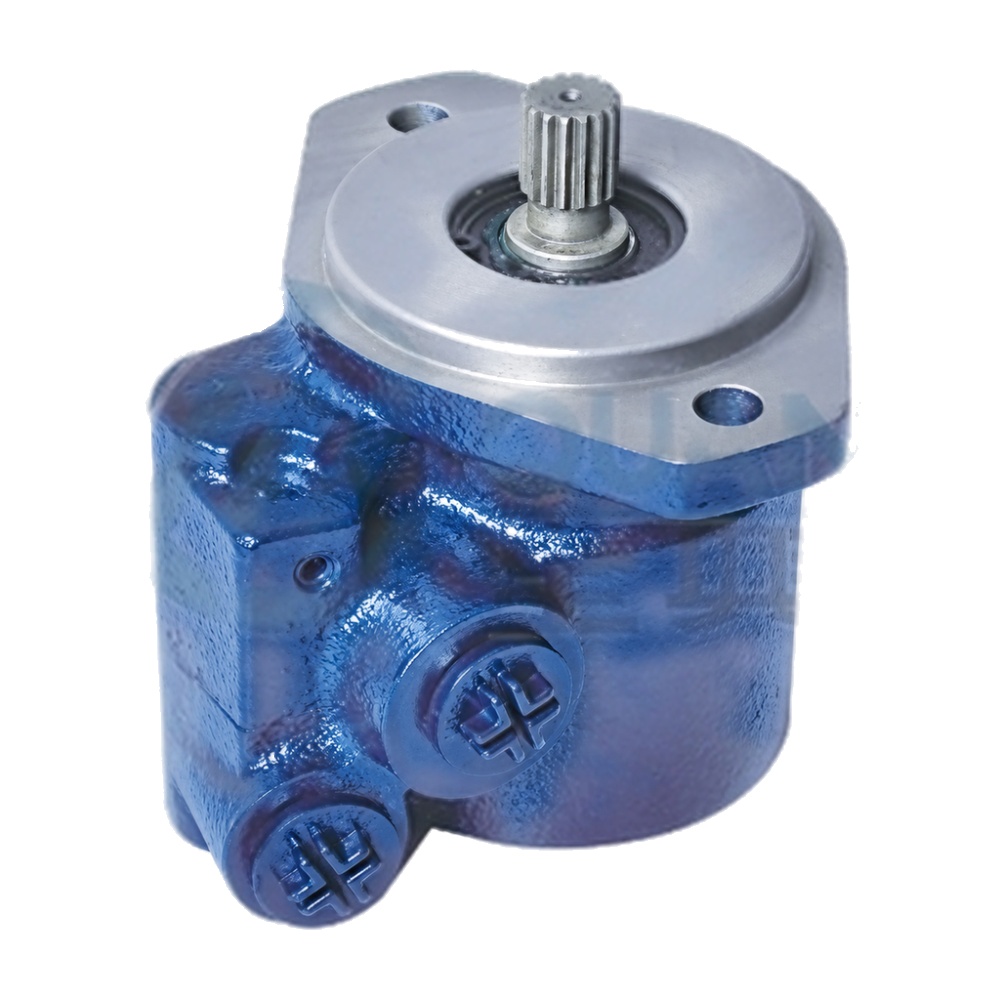
A hydraulic power steering pump is belt driven off the engine and supplies the pressure the steering rack or steering gear uses to cut effort at the wheel. It is one of the few parts where the same model year can carry three different pumps depending on engine, market and whether the car was built with speed sensitive assistance, so a pump is matched to the vehicle by its OE number rather than by its model name.
The listing currently holds 1,812 pumps, split between two buying groups. The commercial and off-highway diesel side is identified by engine or platform: 3407010-55D and 3407010-X2 for the Dachai 498 diesel, A3206-3407100 and A3206-3407100A for Yuchai YC6108ZLQ8 and YC6108ZLQB, A3008-3407100, DZ95259470500 for Shacman Delong F2000, 612600130510 and 612600130514 for Sinotruk and FAW Qingdao, F3100-3407100B for the Yuchai 4100-20, and 6110A for the Xichai six cylinder. The passenger car side is indexed by OE number: S11-3407020 for Chery QQ, A11-3407010 for Chery Fulwin, T11-3407010BB for Chery Tiggo, BYDF3-3407000 for BYD F3, 44310-0K060 for Toyota Hilux and Fortuner, 44310-1901 for HINO H06CT and H07D, 57100-26200 for Hyundai Sonata, 57100-43002 for Hyundai Grace bus, MR992871 for Mitsubishi Triton L200, BN9R-32-600C for Mazda 3 BK, 25953817 for Chevrolet Captiva and Opel Antara, 7691955910 for Mercedes-Benz, and 34430-FE041 for Subaru Impreza WRX STI.
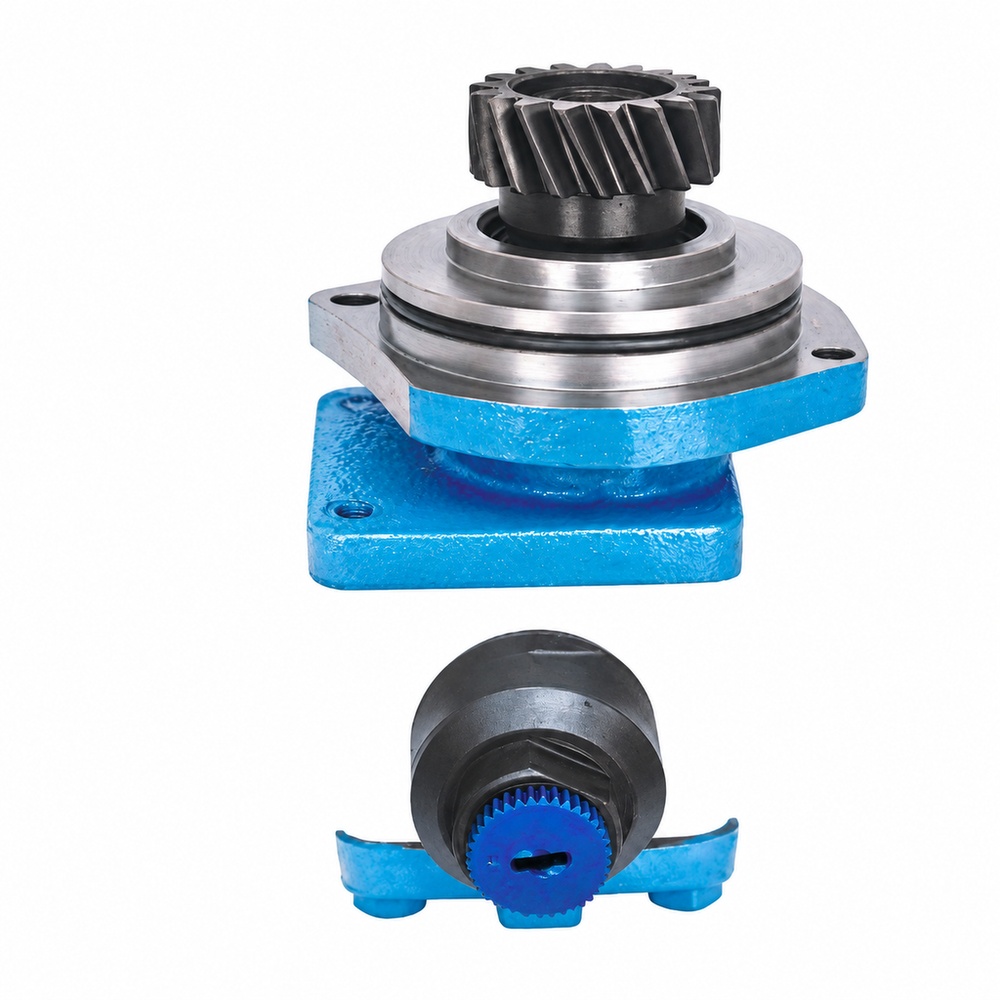
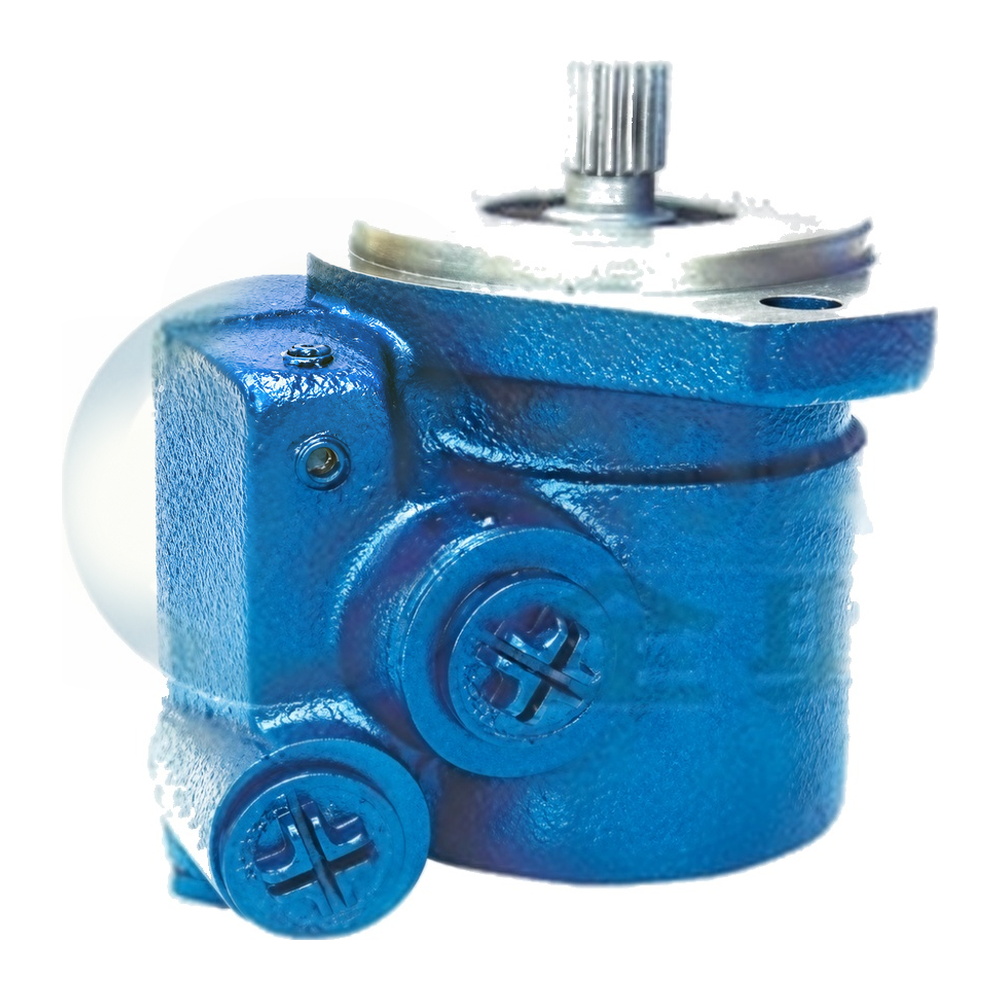
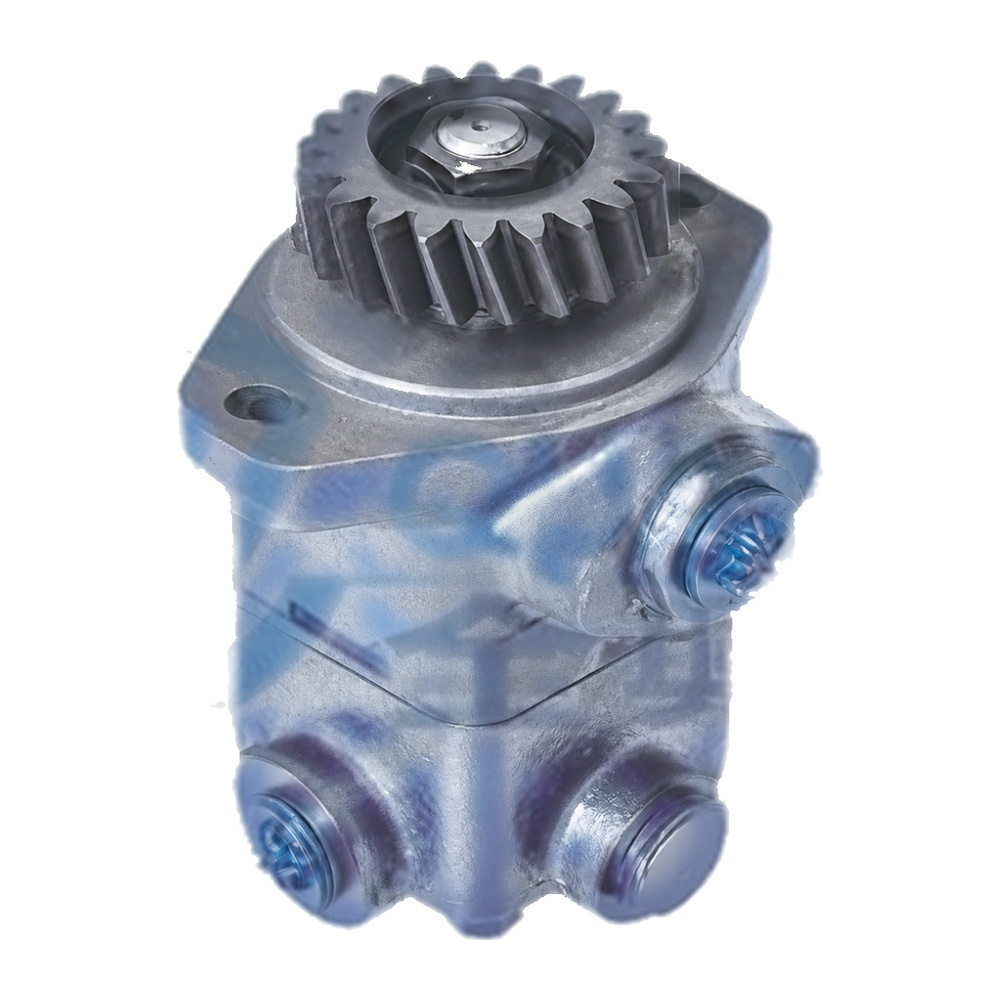
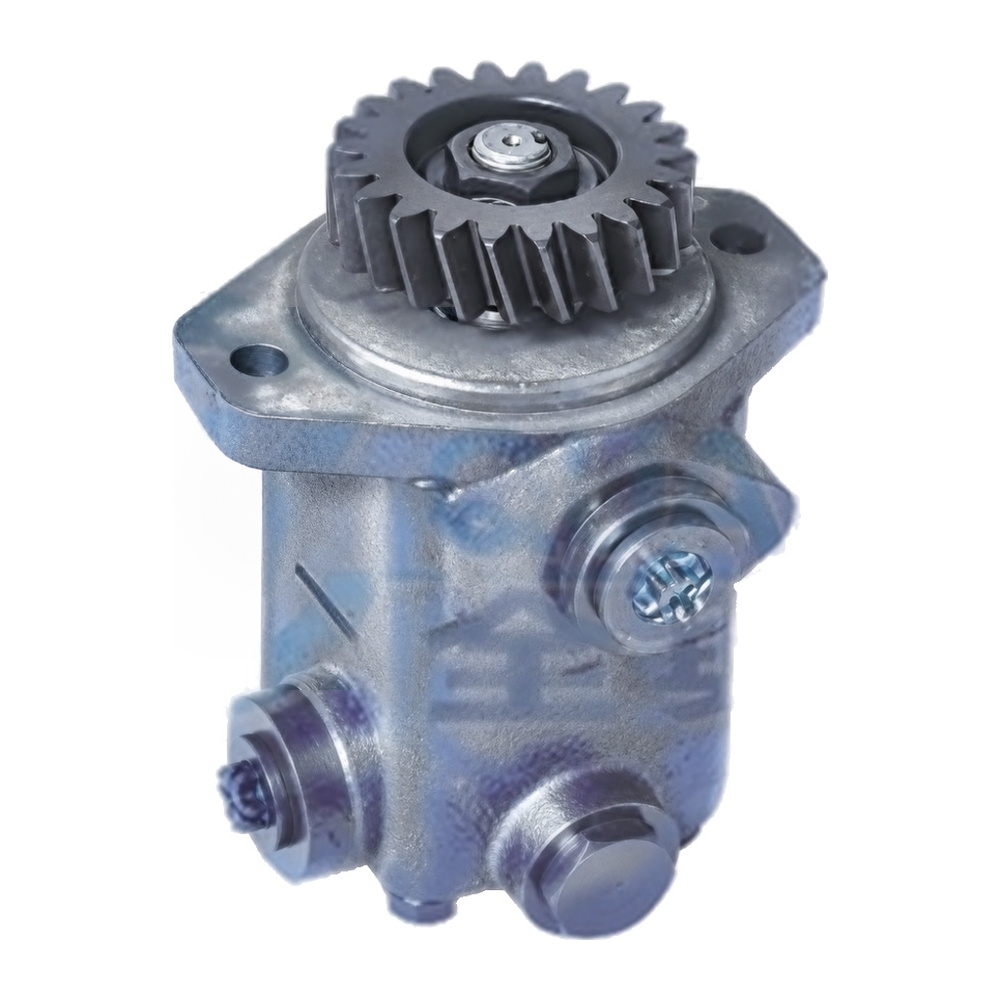
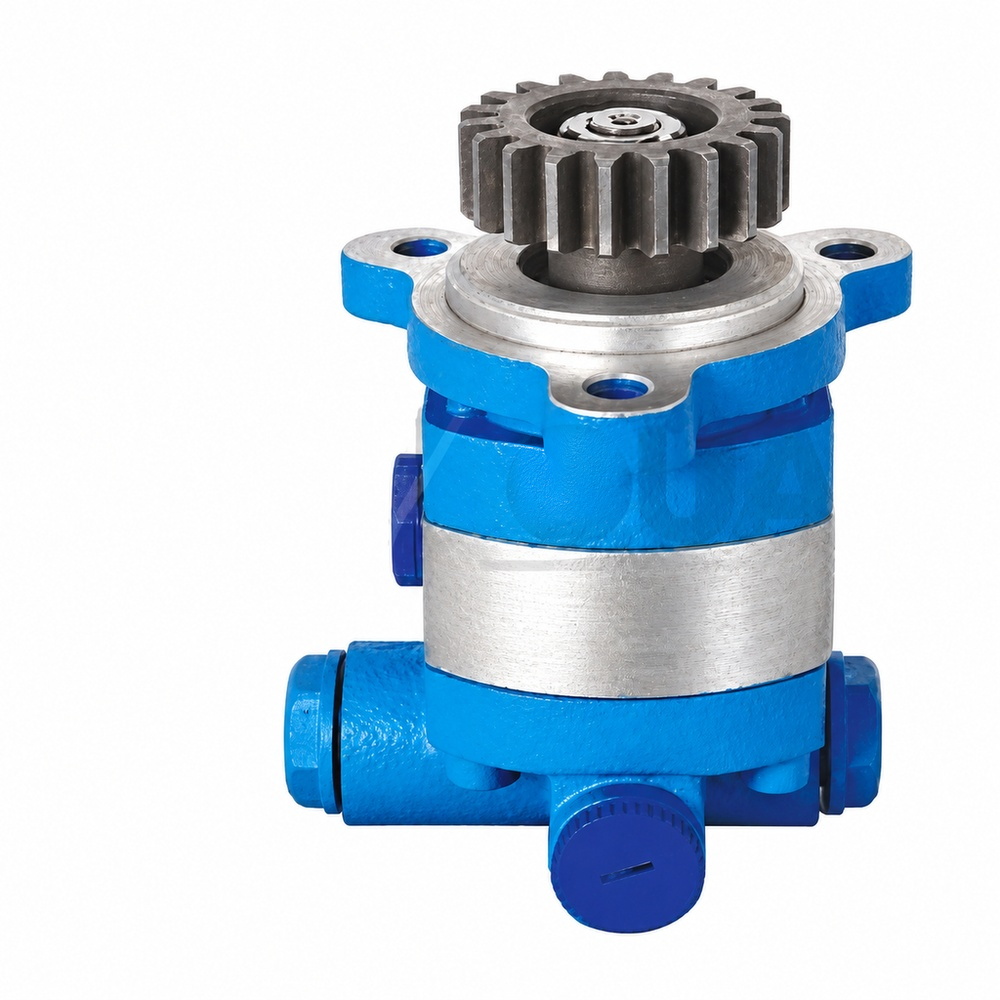
Four details decide whether a pump will fit. The first is the OE number, the only reliable identifier where one engine was offered with more than one pump. The second is whether the pump is supplied with the pulley and the reservoir, because a bare pump and a complete assembly are not interchangeable on the vehicle. The third is the position of the pressure and return ports, since pumps for the same engine can differ in port angle and thread. The fourth is rotation and displacement on commercial diesel units, which are specified in ml/r with a CW or CCW direction taken from the shaft end, and a pump run the wrong way is destroyed within minutes.
The symptom that identifies the pump rather than the rack is noise that follows engine speed. A pump that whines at idle and gets louder at full lock, or that leaves the fluid foamy with the level rising, is drawing air or has worn vanes. Fluid turned black with metallic grit means the pump has already failed, and fitting a new pump without flushing the circuit and replacing the reservoir filter will destroy the replacement. Heavy steering when cold that frees up once warm points at a tired pump or old fluid, while a wheel that pulls to one side is more often the rack valve than the pump.
Quote by OE number, and on commercial diesel applications also by engine model such as YC6108, WD615 or 4D34, together with whether the pulley and reservoir are required, the quantity and the destination port. A photograph of the old pump nameplate and of the port side is the fastest way to avoid a mismatch, and where the number on the old unit differs from the catalogue listing, the number on the unit is the one to quote.
On most belt driven pumps the pulley transfers, but the shaft diameter and the pulley offset have to match, and a pulley that has already spun on a worn shaft will not hold torque. Where the original is a press fit that has moved, quote the complete assembly instead.
No. Whine caused by air in the system, a low fluid level or a blocked reservoir filter disappears once the cause is fixed. Whine that stays after the circuit is bled and the fluid replaced, and that is louder at full lock, is internal wear.
ml/r is the displacement per revolution and sets the flow the pump delivers, so the wrong displacement makes the steering either heavy or over-assisted. CW and CCW state the direction of rotation looking at the shaft end. Both are fixed by the engine drive and cannot be changed after the pump is built.
Yes on any pump that failed with metallic debris in the fluid. A contaminated filter releases that debris straight into the new pump, which is the most common reason a replacement fails within weeks.
A hydraulic car has a belt driven pump, a reservoir and hydraulic lines to the rack. An electric power steering car has a motor on the column or the rack and no pump at all, so a pump listing for that model will not apply.
Tell us the OE numbers, quantities and destination port. We confirm fitment against your references and quote with export packing options.