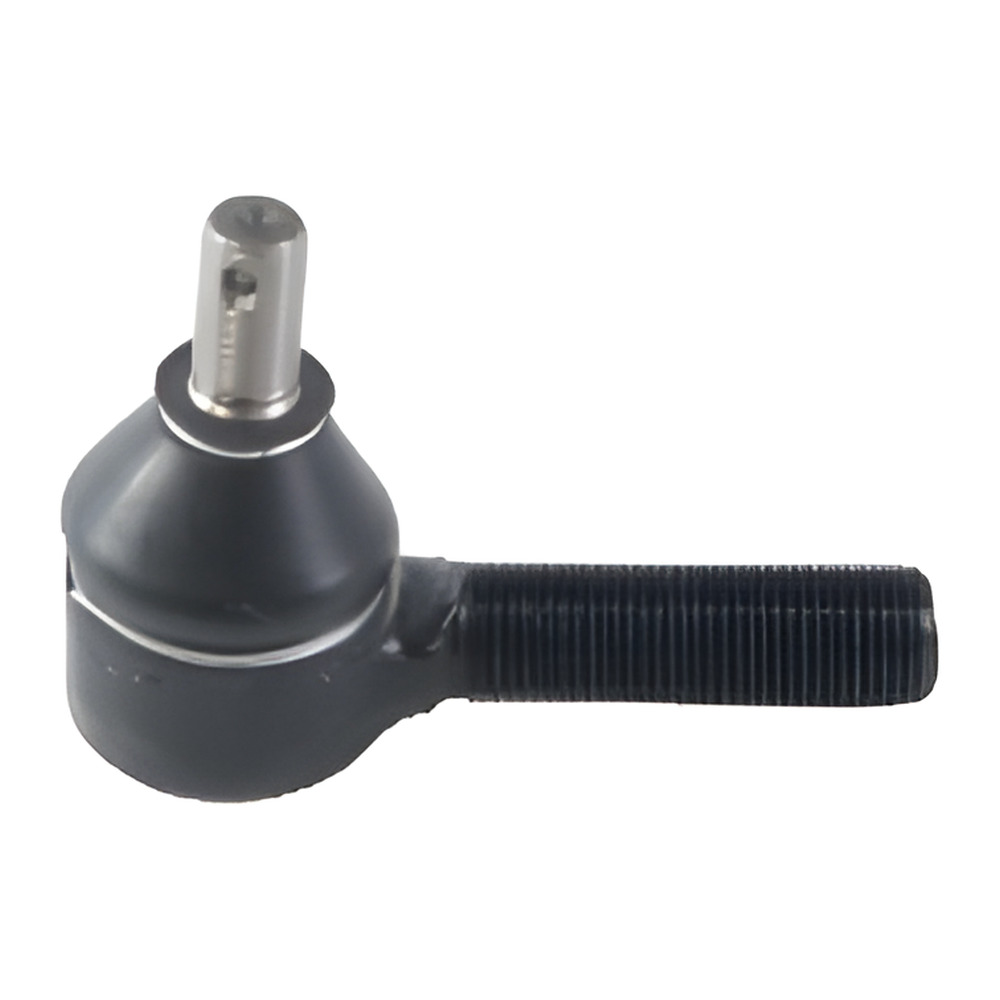
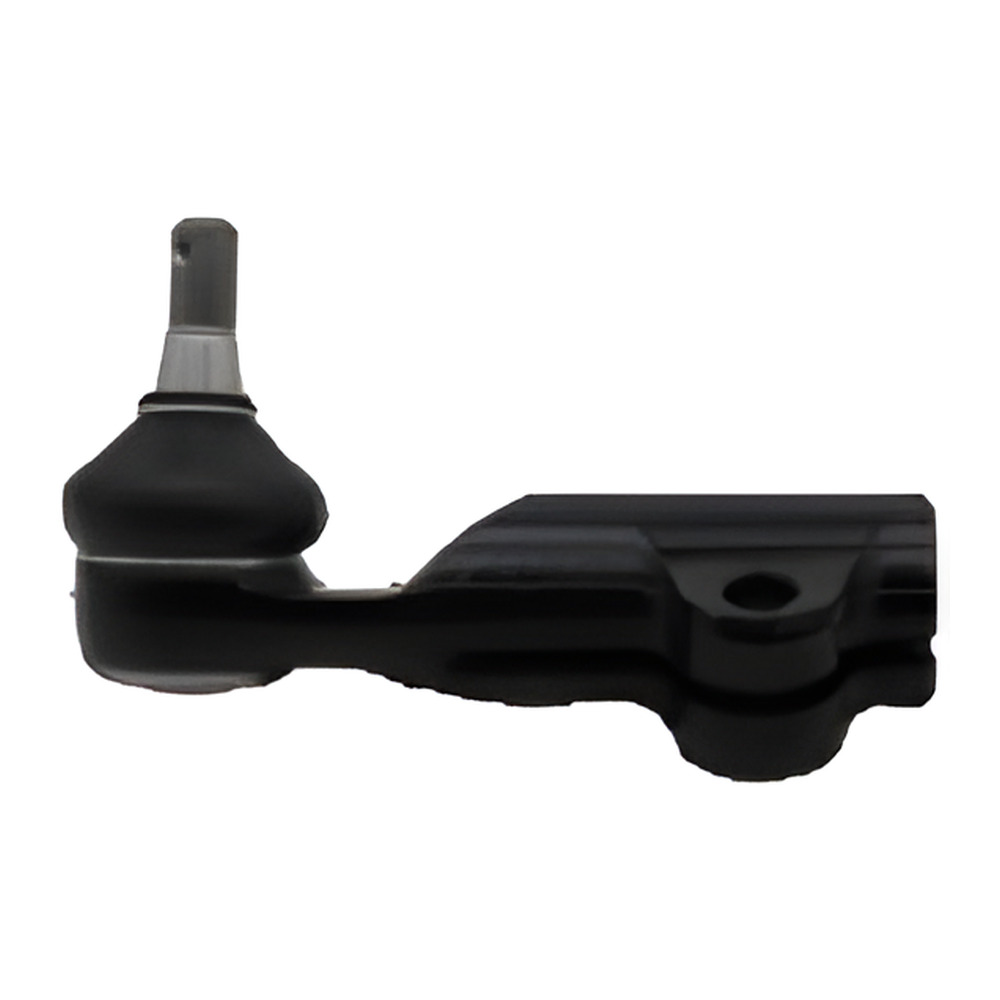
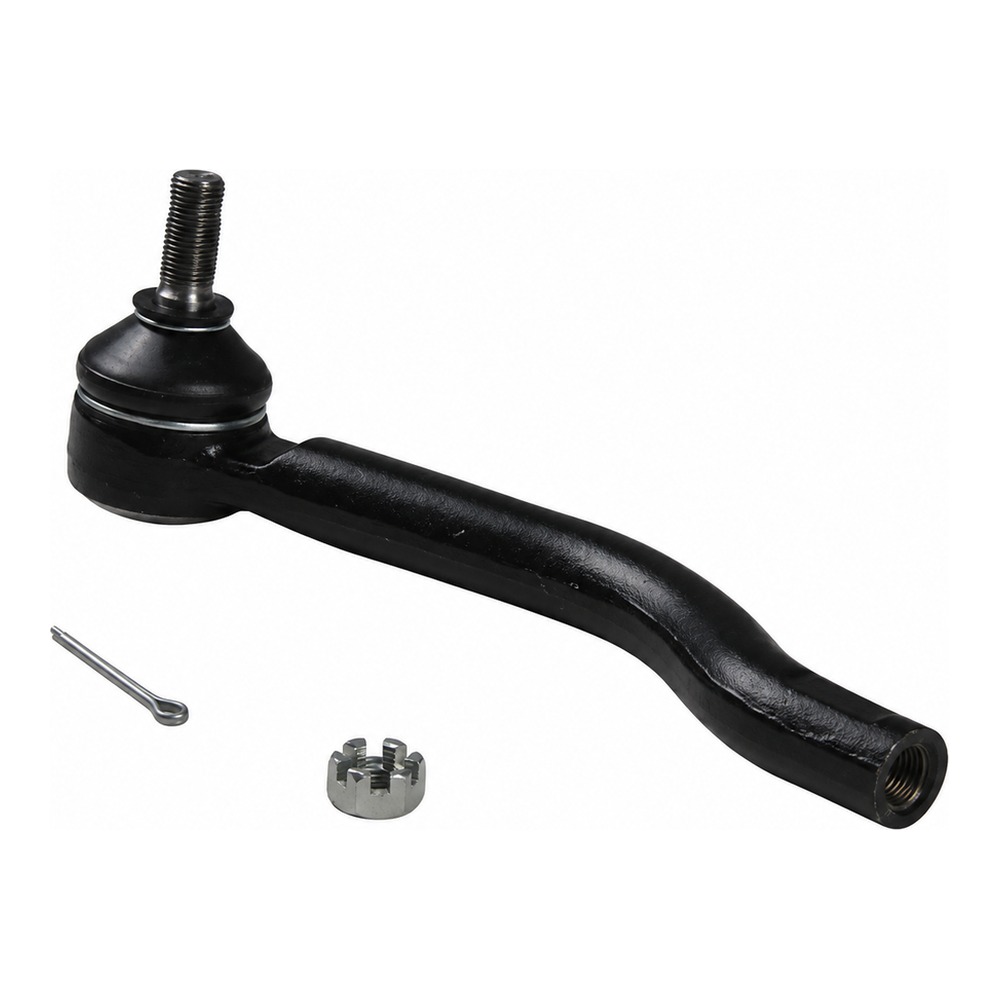
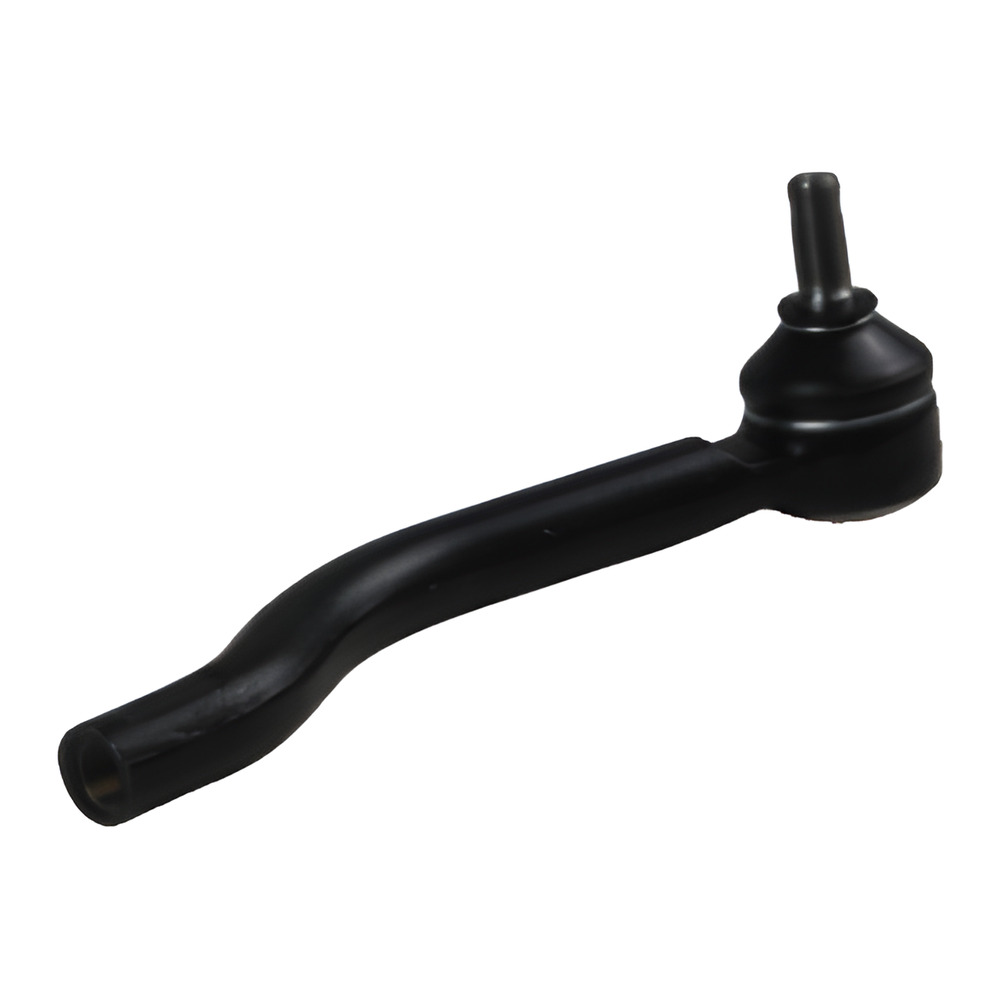
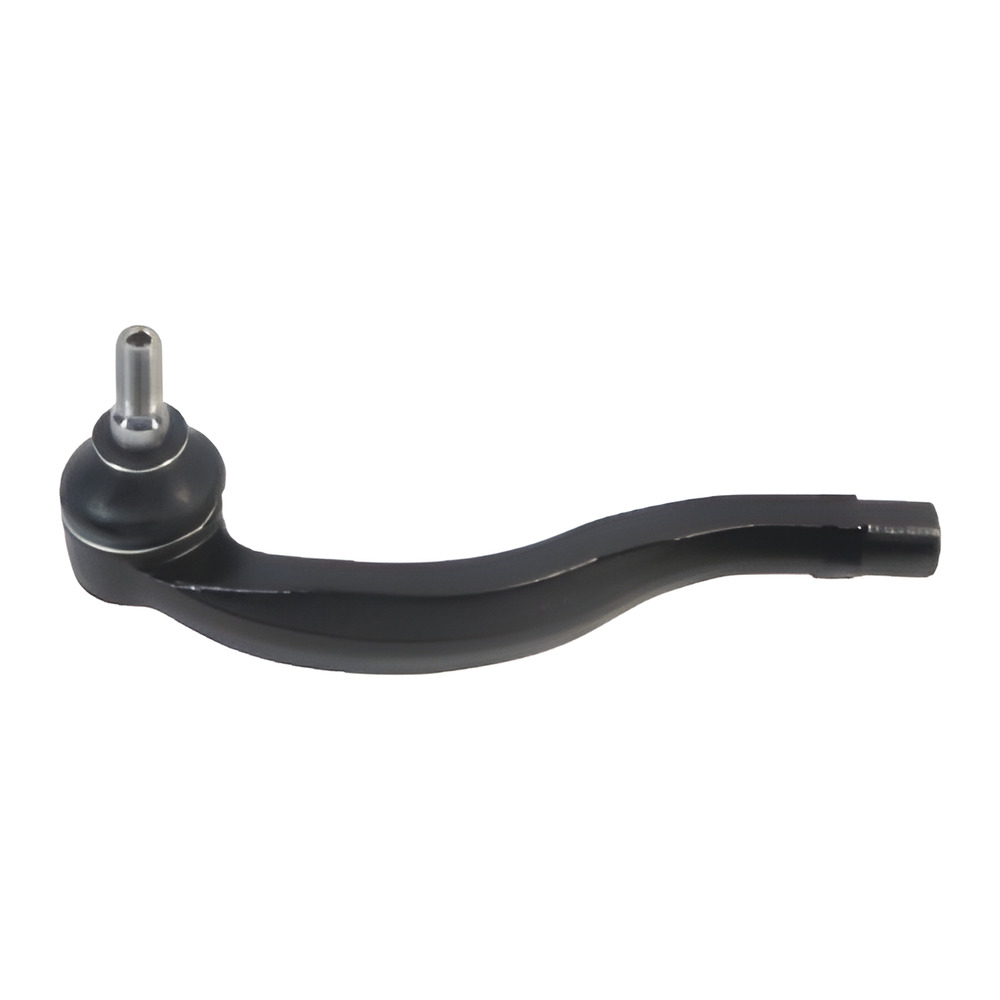
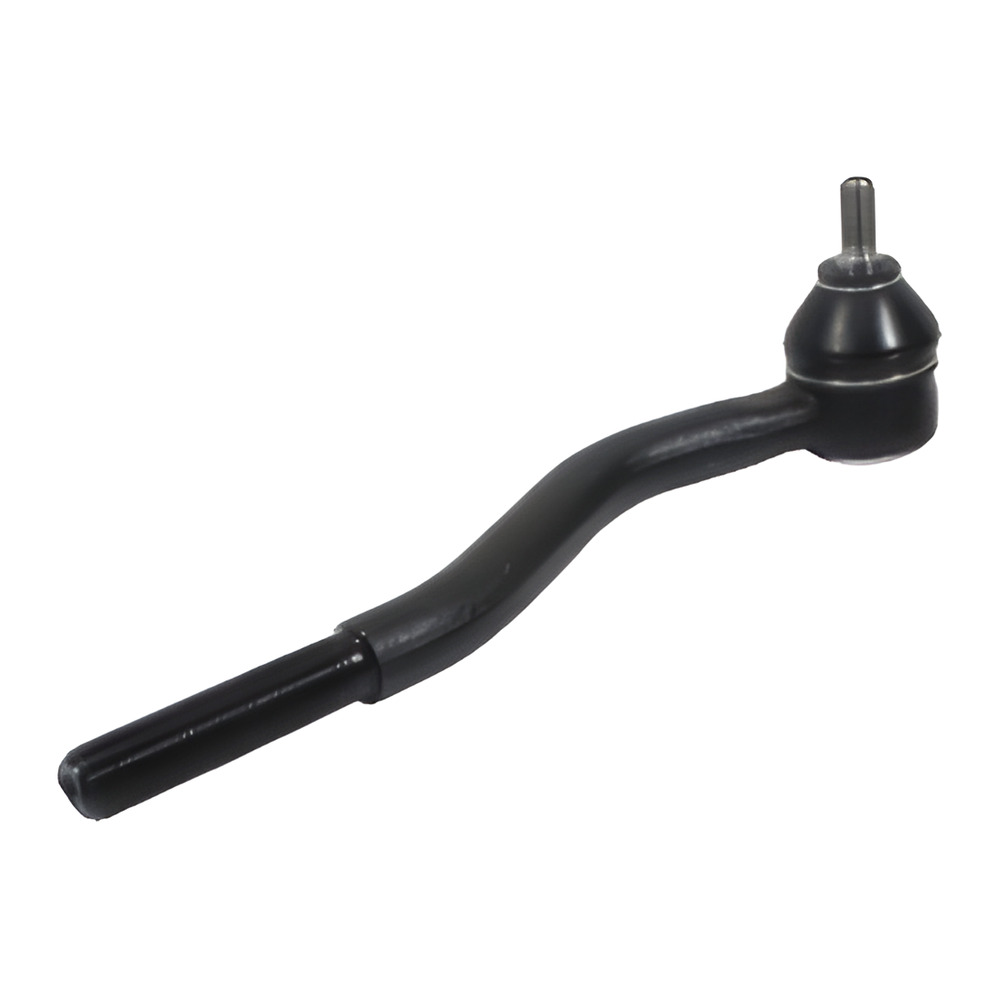
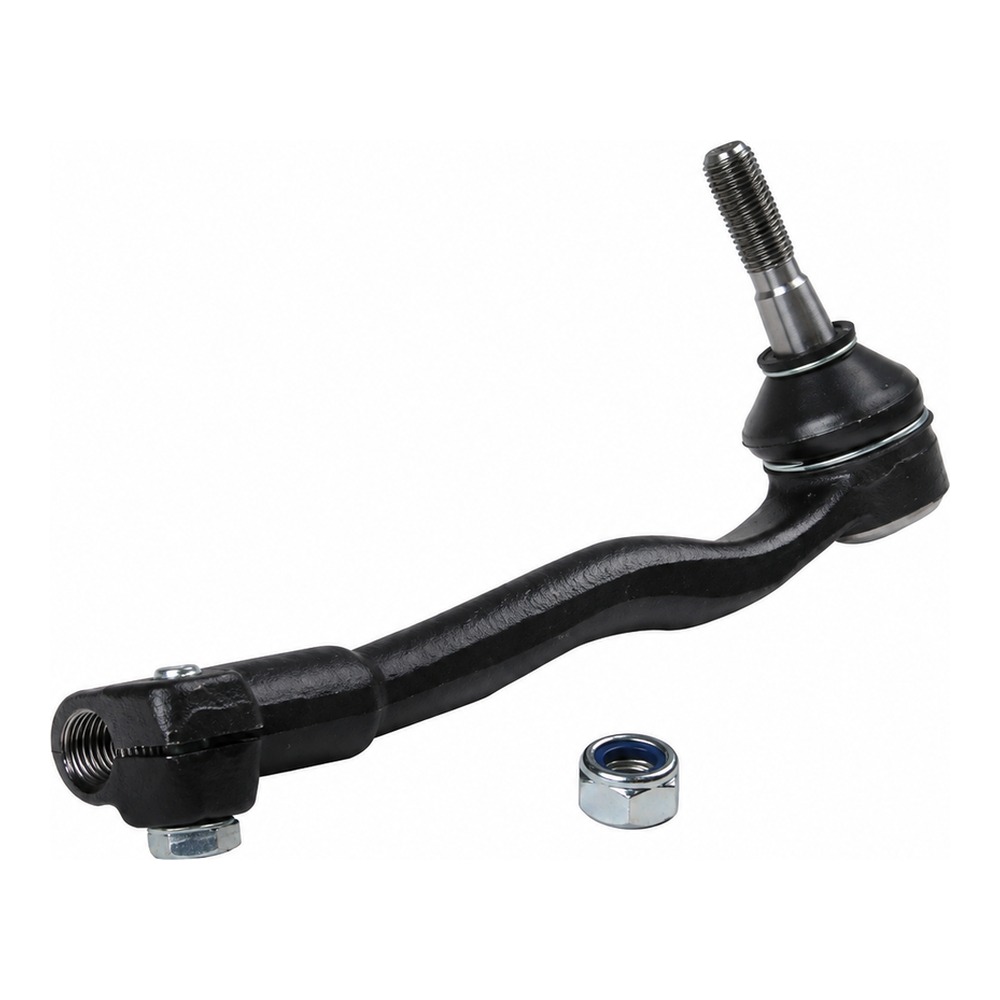
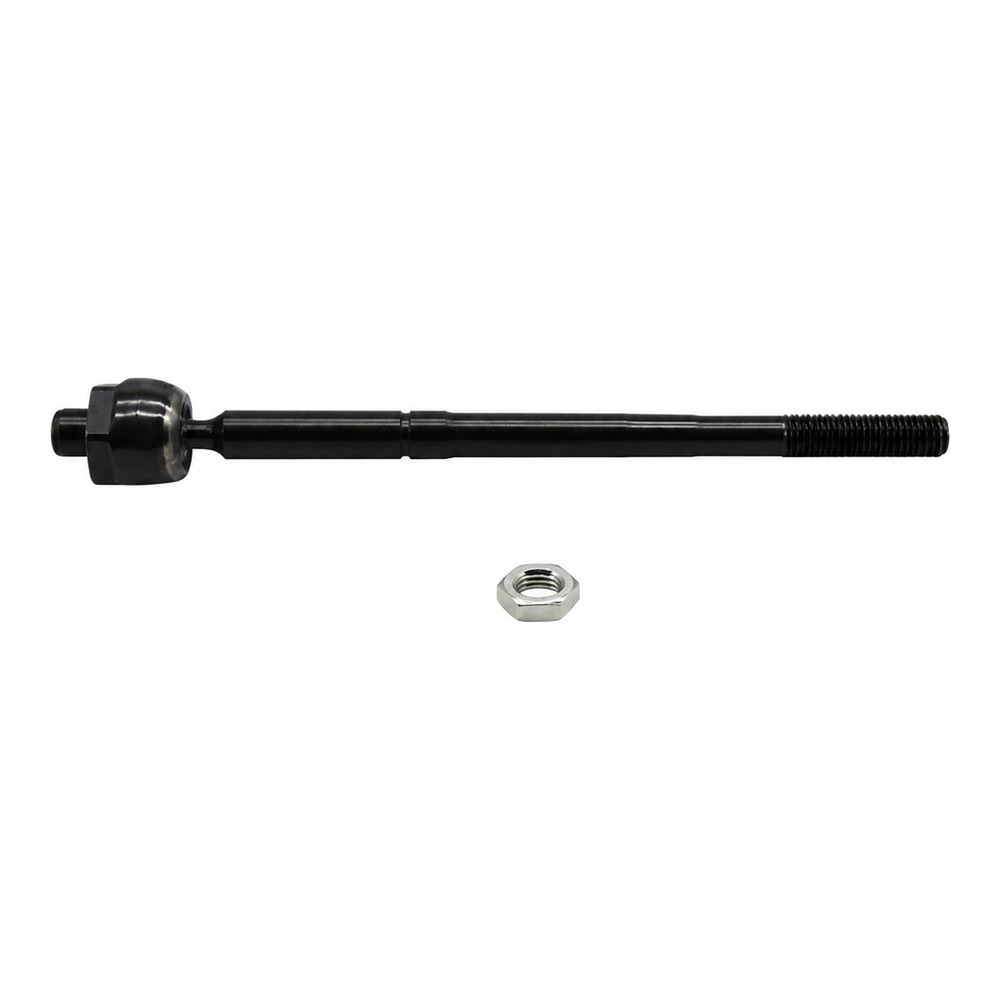
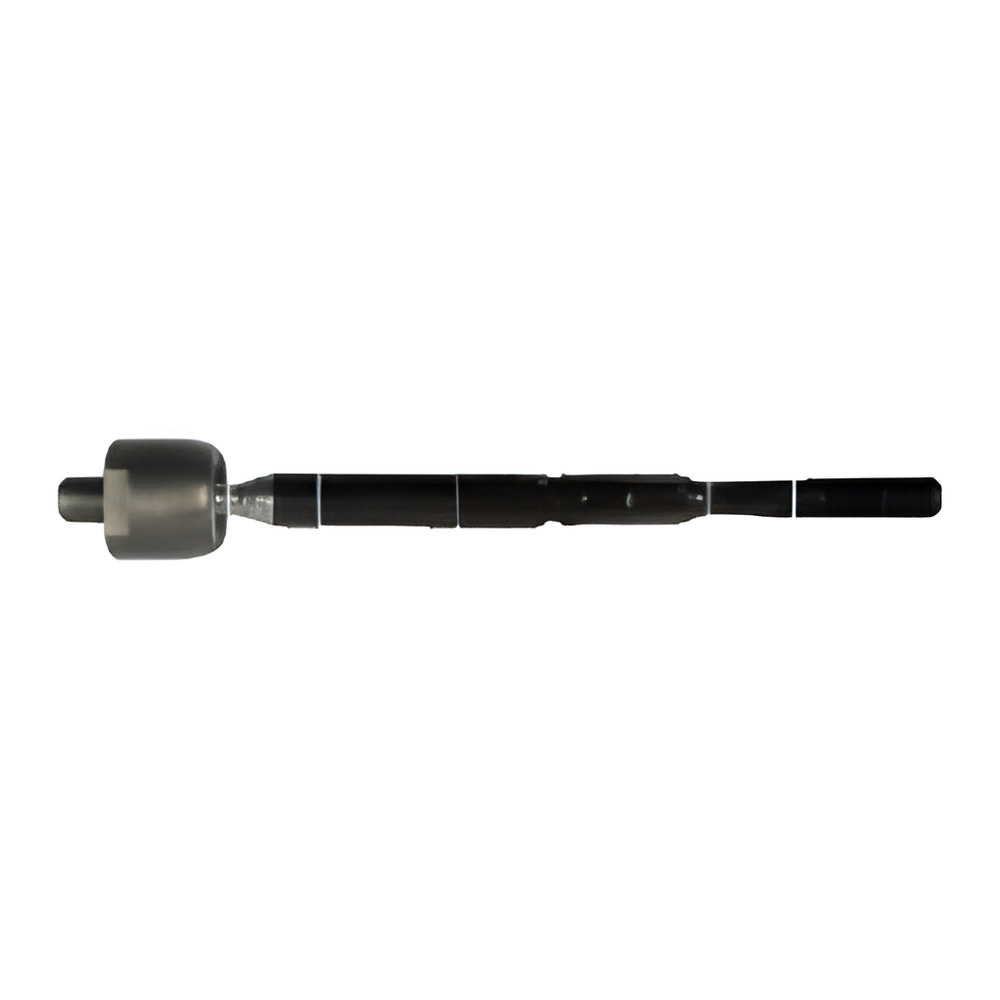
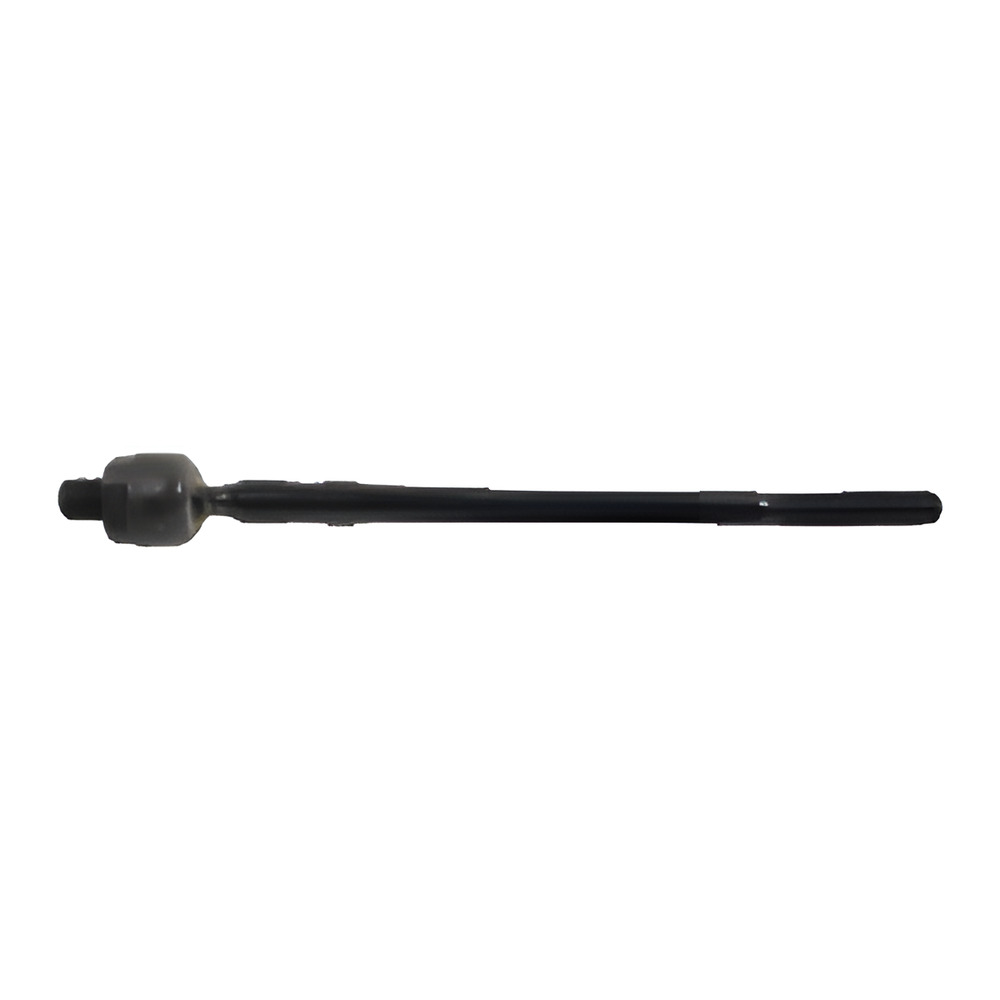
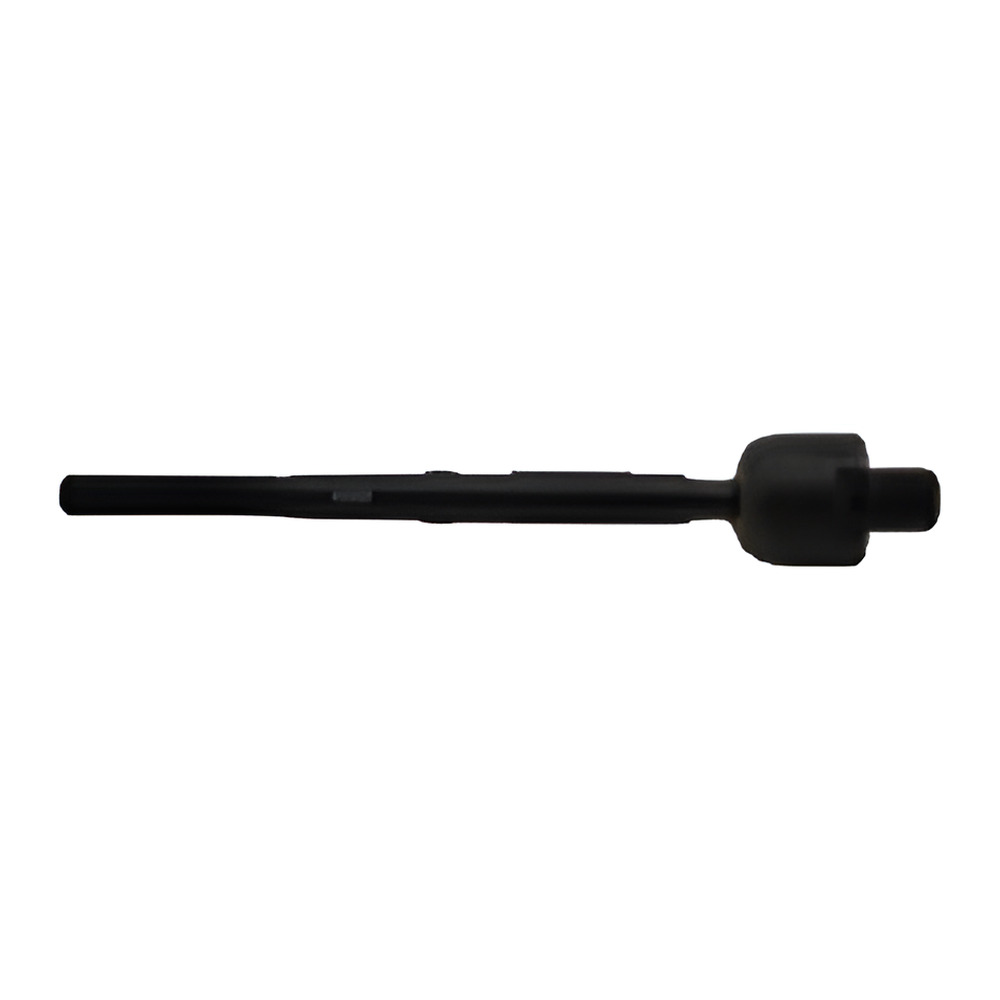
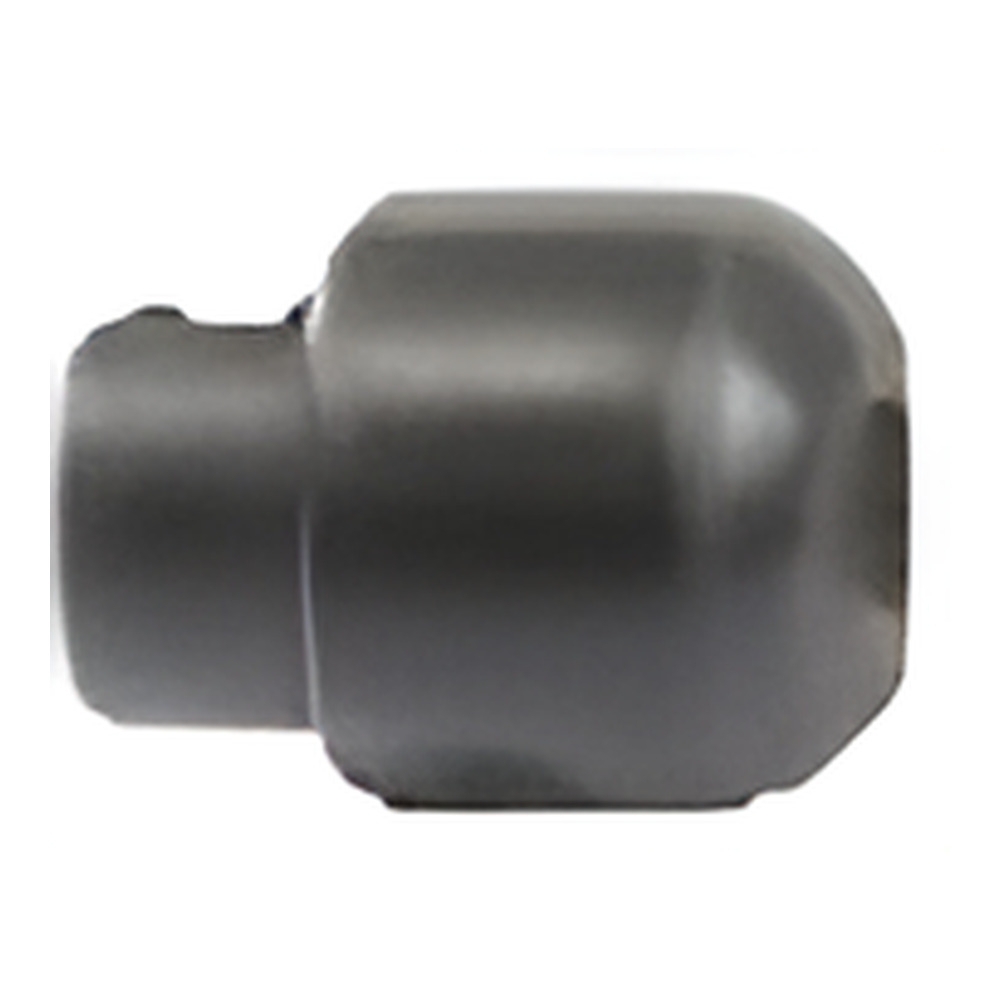
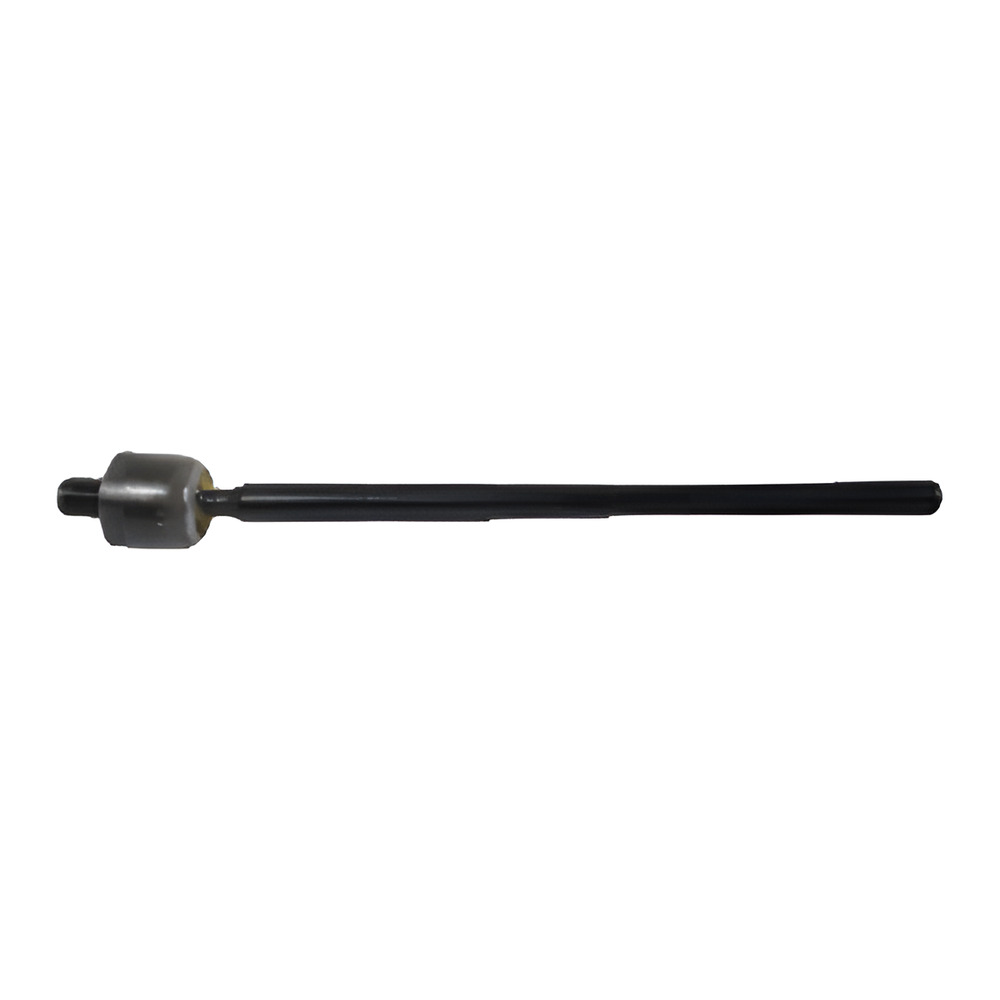
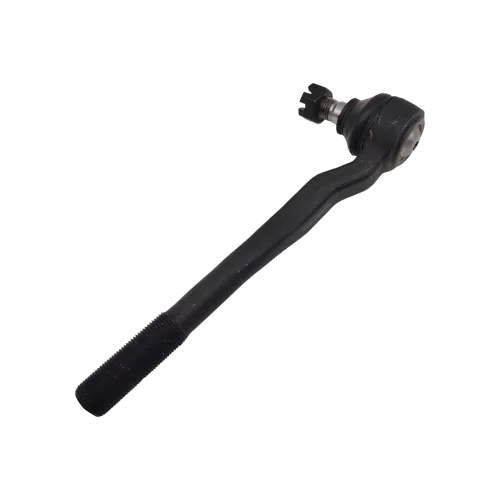
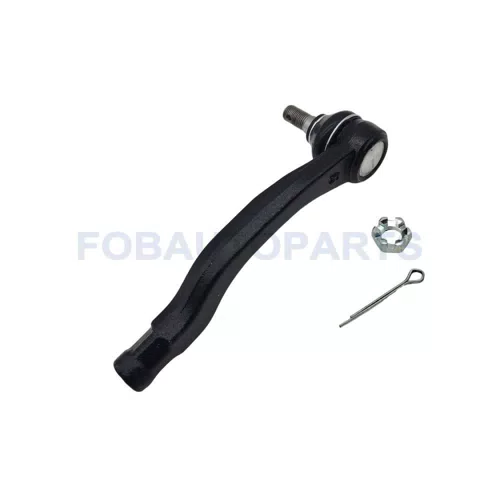
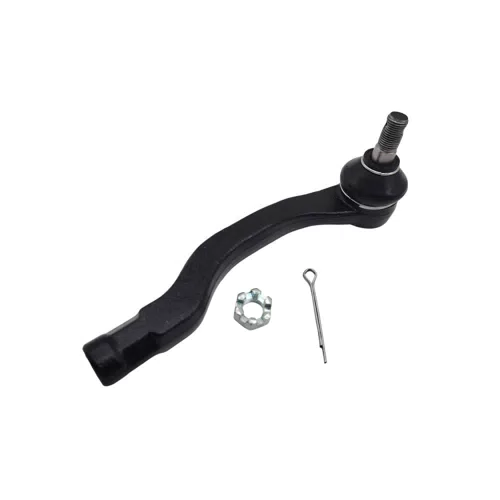
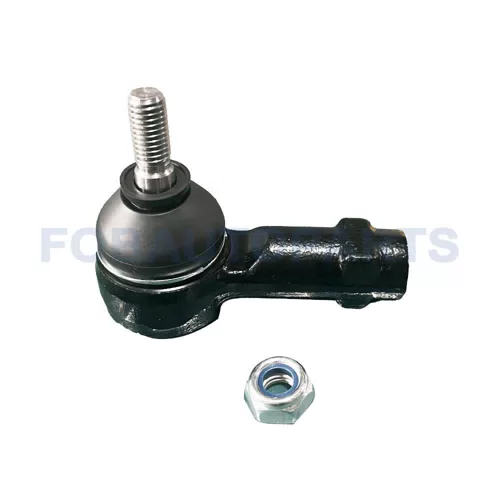
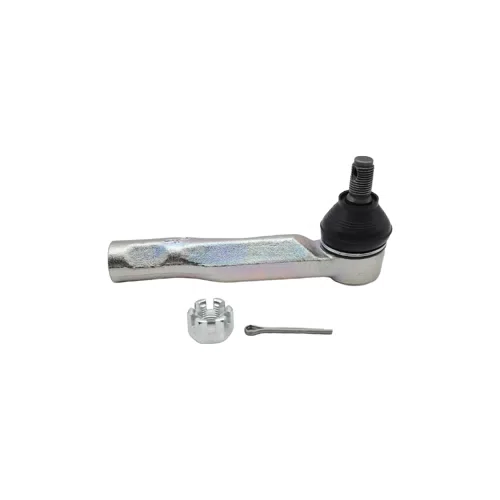
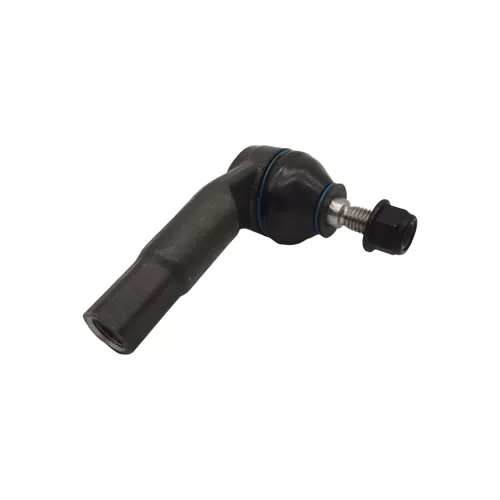
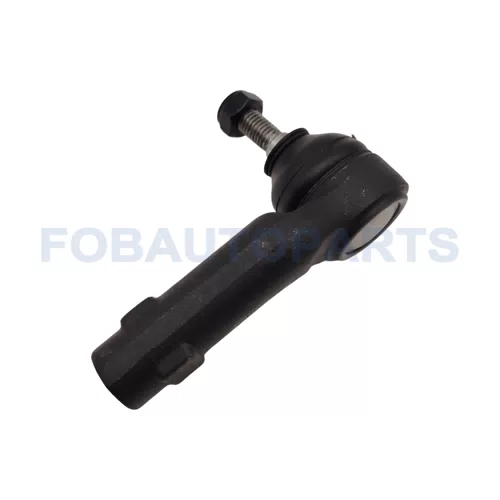
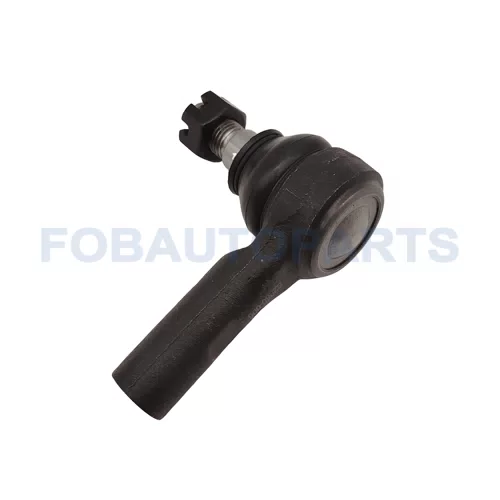
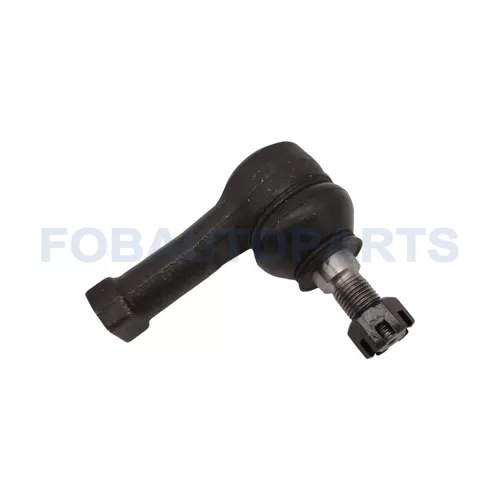
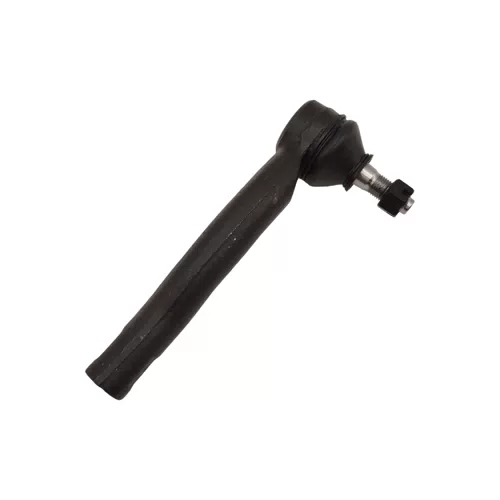
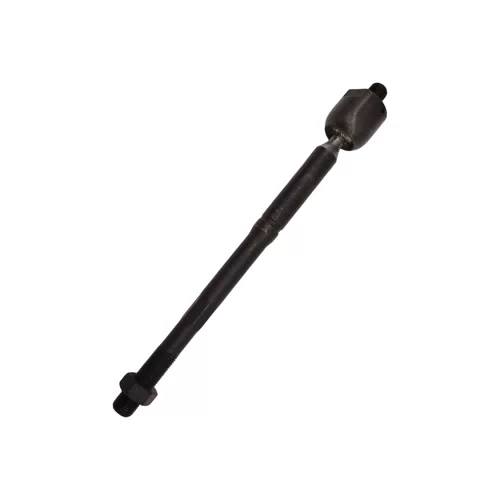
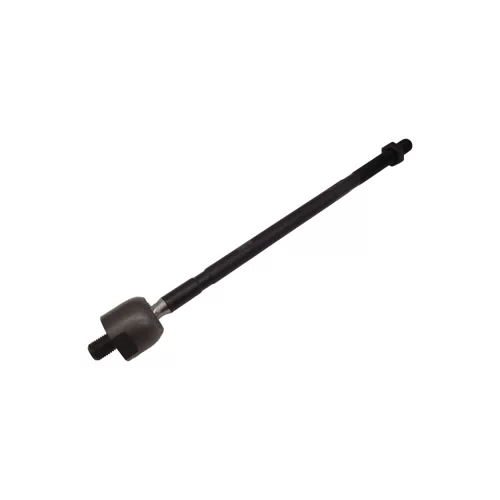
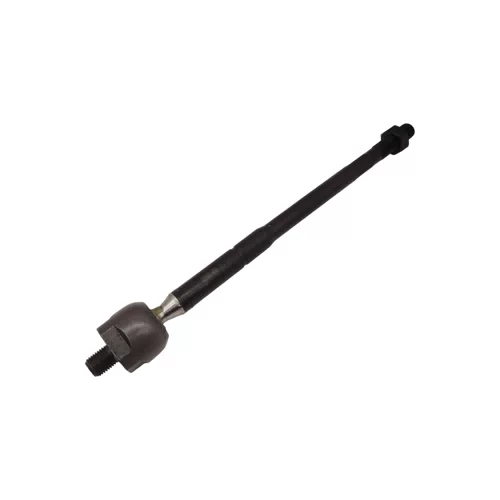
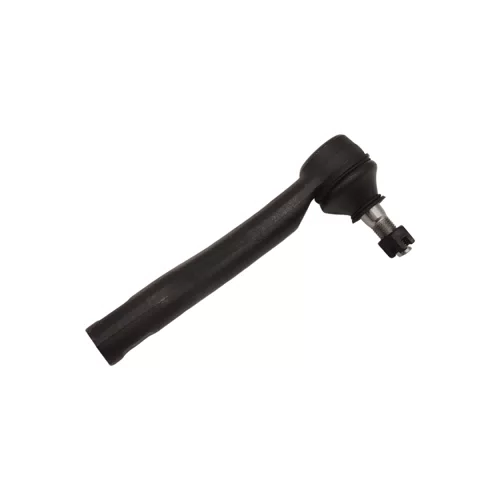
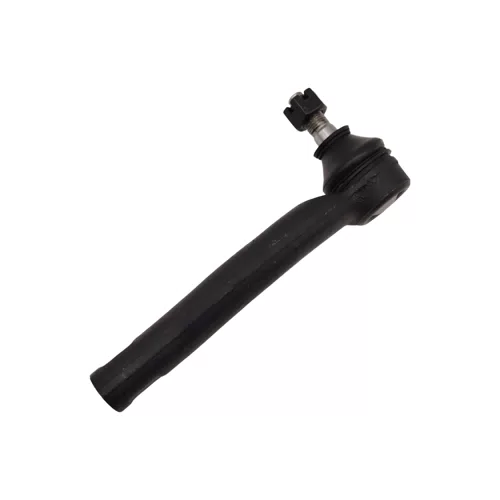
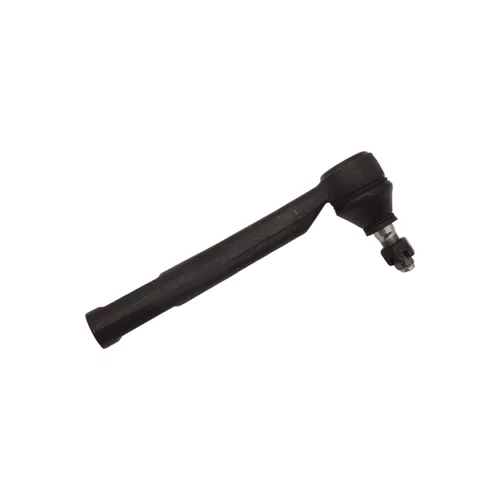
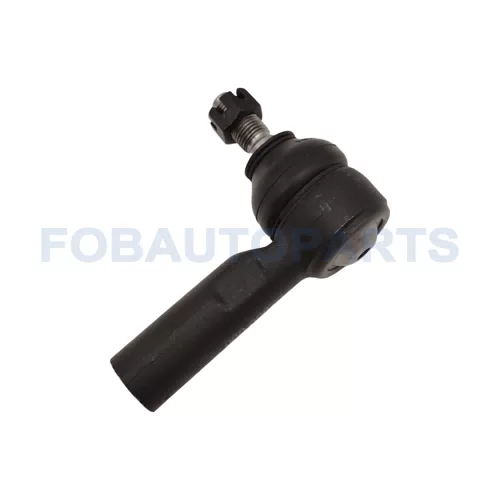
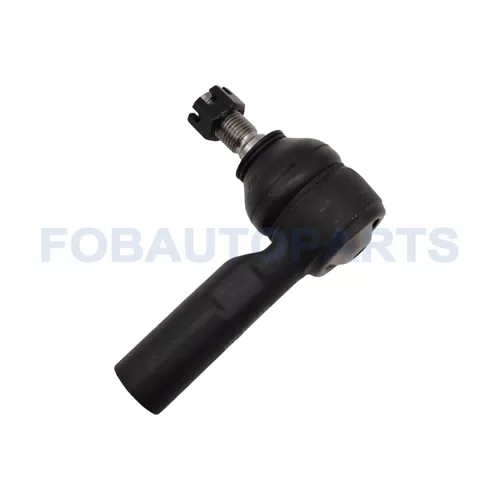
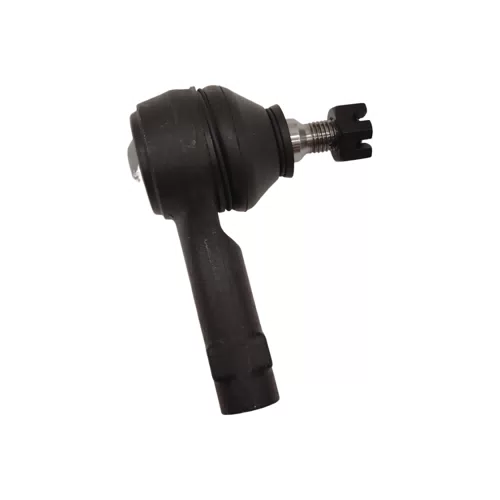
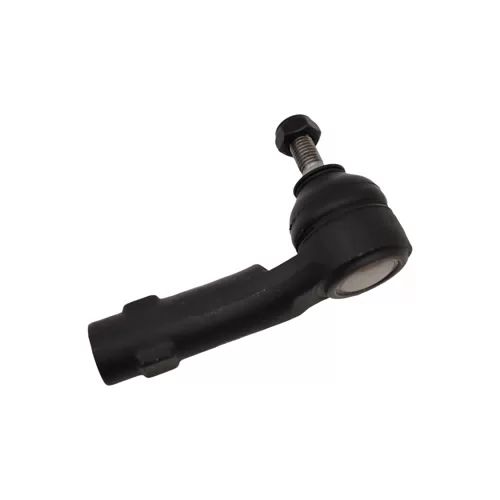
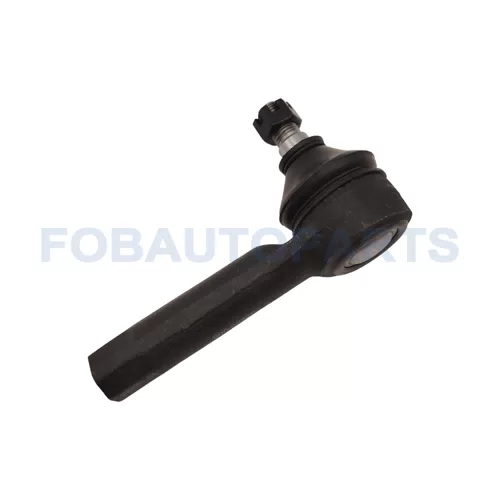
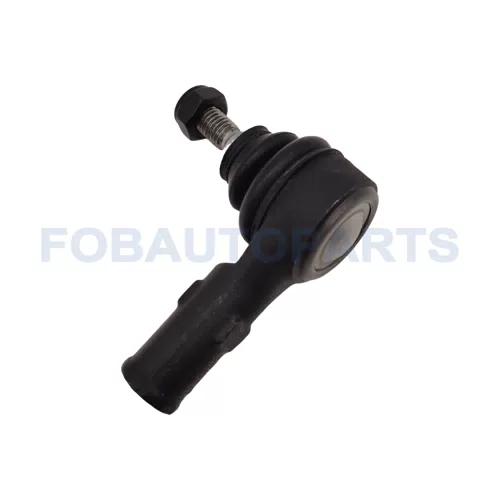
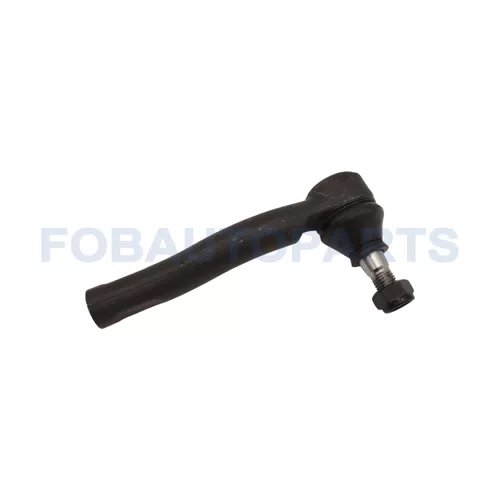
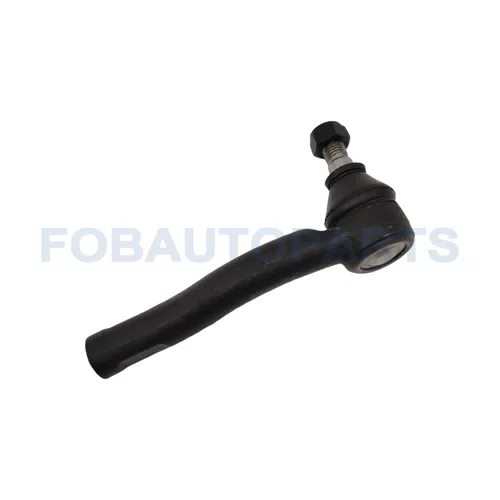
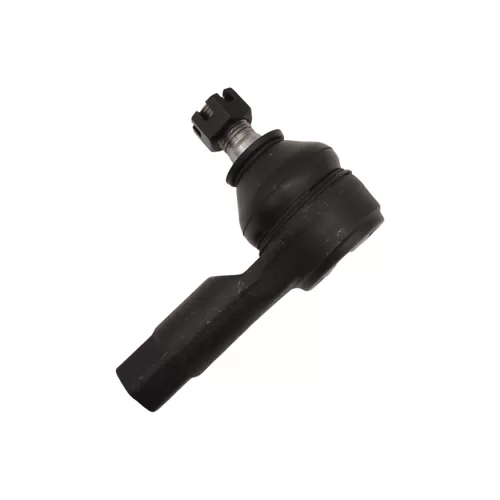
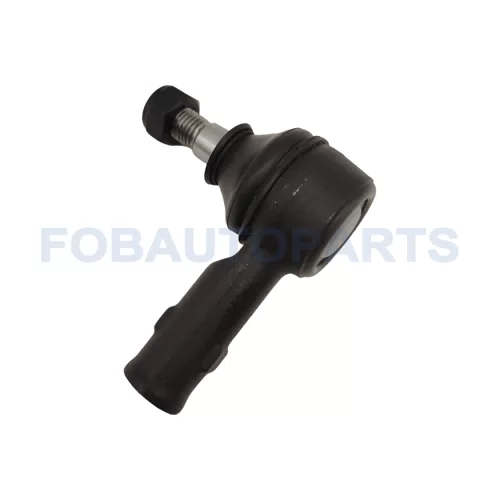
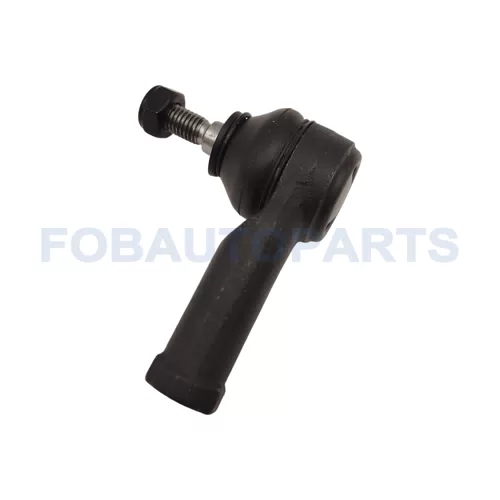
Browse 58 Tie Rod Ends part numbers with OE cross-reference and fitment notes for passenger cars, SUVs, pickups and vans. Export packing available - send an inquiry for price and lead time.
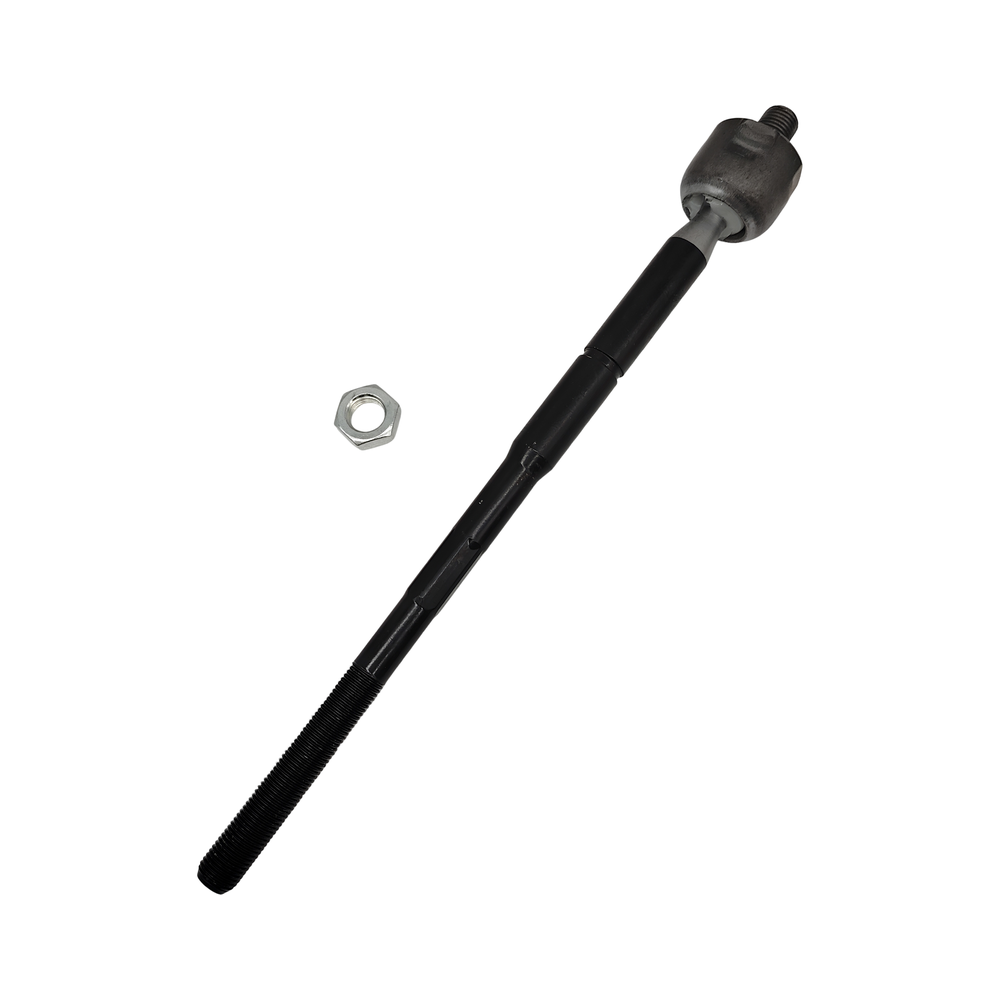
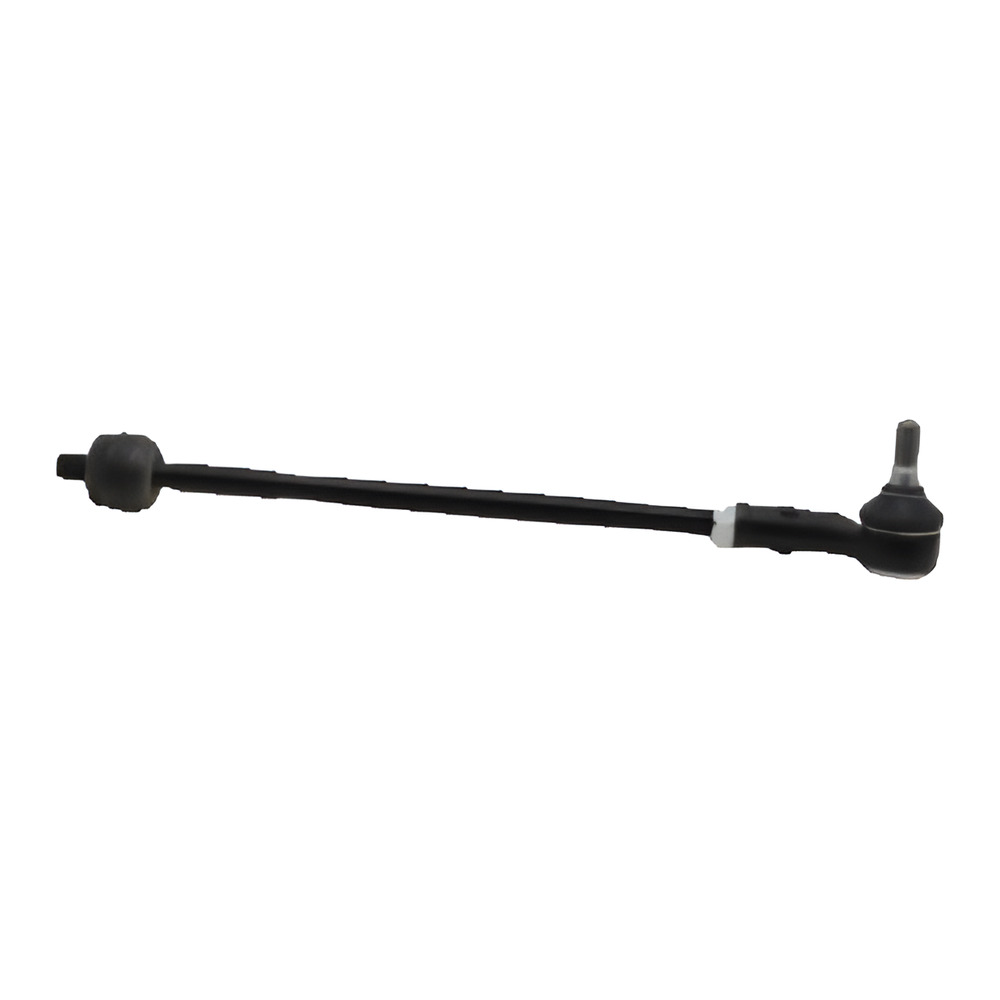
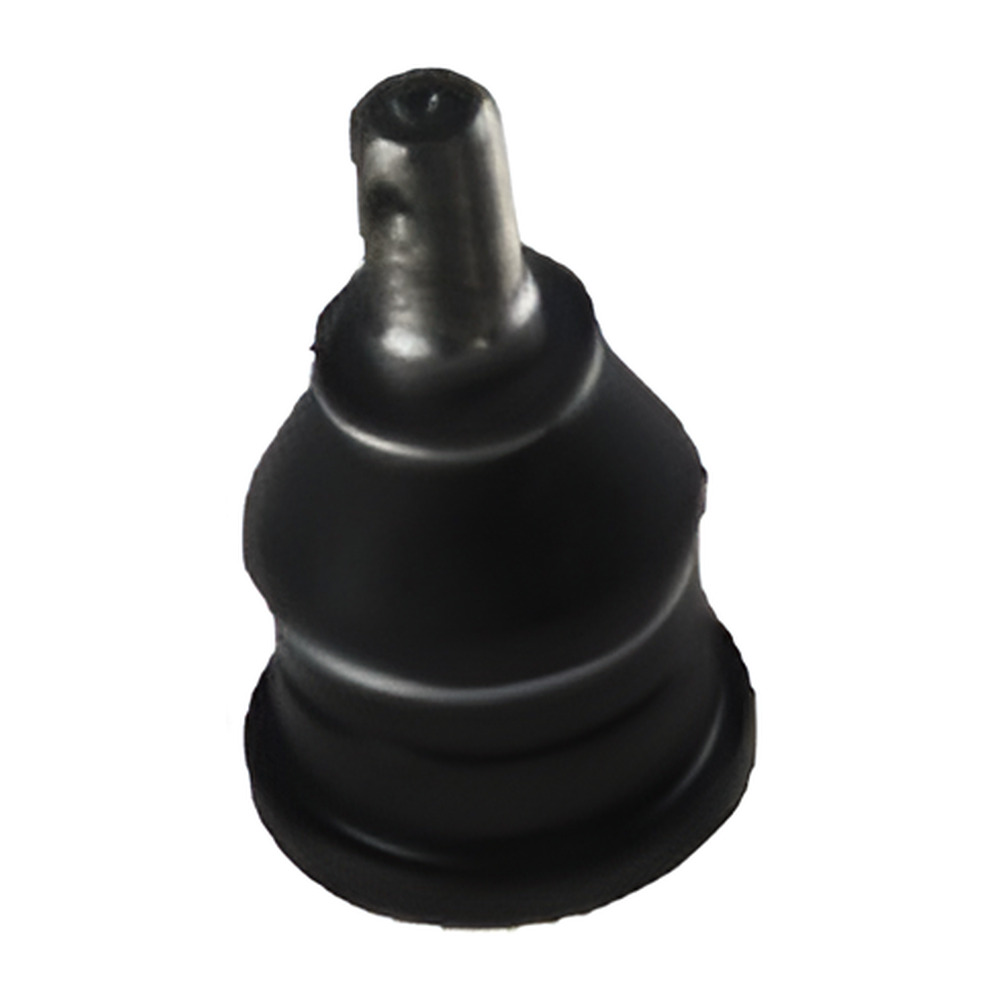
A tie rod end is the ball joint at the end of the steering linkage. The inner end threads into the rack or the drag link and the outer end passes through the steering arm, so the pair carries the steering force from the rack to the wheel while allowing the suspension to move up and down. The joint itself is a ball stud in a socket, grease filled and sealed by a rubber boot; when the boot splits the grease is lost, water and grit get in, and the socket develops play. That play is felt as a dead spot in the centre of the steering, a clunk over rough ground and, if it is left long enough, scalloped wear on the inside shoulder of the tyre.
This category carries 58 references, weighted towards Toyota with 45503-87401 for Sienna, 45503-19125 and 45503-02070 for Corolla, 45503-19056 for Celica, 45046-29305 for FJ Cruiser, 45047-02030 for Corolla 1.8 and 45046-59195 for Yaris. Ford applications are covered by 1011857 for Fiesta IV 1995-2002, Chevrolet and Daewoo by 93741074 and 96535300 for Aveo, Daewoo Nubira by 96129753, Daihatsu Terios by 45046-87401, and Mitsubishi by MB527169. Further references cover Isuzu D-Max pickups, Kia OK72A32240A, Suzuki 48820-78A00 and 48810-78A00, Renault Sandero and Stepway 6001547606 and 6001550441, and the Jeep Compass axial joint 68040224AA.
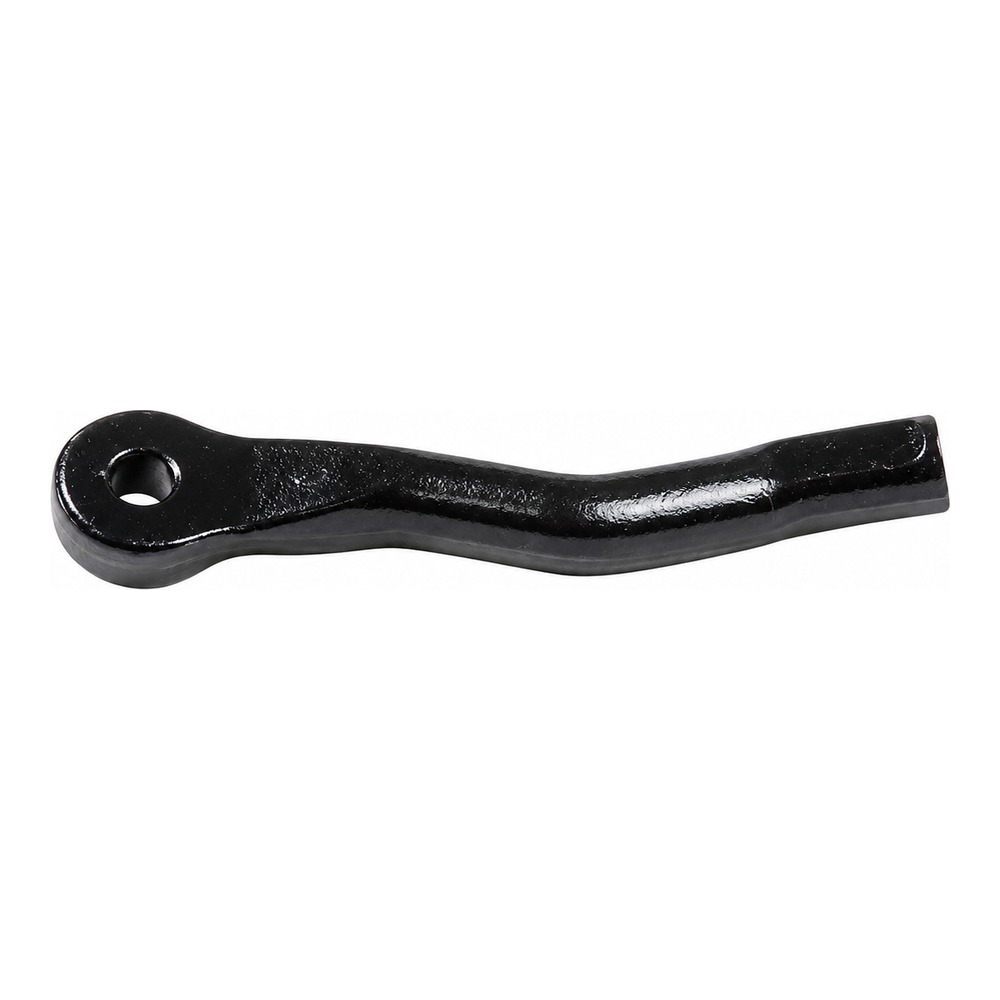
Five things decide whether a tie rod end will fit, and the OE number settles none of them on its own. Inner or outer: an inner joint threads into the rack and an outer joint passes through the steering arm, and they are not interchangeable. Thread hand: many vehicles use a left hand thread on one side so the assembly can be adjusted by turning the sleeve, and a left hand joint forced onto a right hand thread strips the rack end. Taper: the stud taper and its length have to match the steering arm seat, and a taper that only partly seats will come loose. Length: outer ends for the same model differ by production period and by whether the car has variable ratio steering. Supplied fittings: some references include the nut, the cotter pin and the boot, others are the joint alone.
Testing is done with the car on the ground and an assistant rocking the steering wheel through a few degrees while you watch and feel the joint. Play at the outer end with the wheel held at the three and nine position points at a worn outer joint; play further inboard with the wheel at twelve and six points at the inner joint or the rack. A boot that is split, wet with grease or has lost its clip is a joint that is on the way out even before play appears. A clunk that happens over bumps but not when turning is more often a stabilizer link or a worn strut mount than a tie rod end.
Order by the OE number together with the position: front or rear, inner or outer, left or right, and the thread direction where the listing states it. A photograph of the old joint showing the stud, the taper and any marks on the housing is the quickest way to confirm a match, and on vehicles that ran more than one steering configuration in the same model year the number stamped on the old joint is the only reliable reference.
With the car on the ground, have someone rock the steering wheel a few degrees while you hold the outer joint. Any free movement before the wheel starts to turn is play in the joint. Lifting the wheel and rocking it at the three and nine position shows the same play more clearly, but only hold the joint, not the boot, because squeezing the boot hides the movement.
Yes, if the inner joint and the rack are sound. Check the inner joint the same way before ordering, because a new outer end fitted to a worn inner joint keeps the play the job was meant to cure. After replacement the toe setting has to be reset, since the new joint will not sit at exactly the same length as the old one.
On many steering linkages one side uses a left hand thread so that turning the adjusting sleeve moves both joints in opposite directions and changes the toe. Fitting a right hand thread joint where a left hand thread is required will not adjust, and forcing it damages the sleeve and the rack end.
Yes. Replacing any tie rod end changes the toe angle, and even a joint fitted to the same measured length as the old one will usually be a fraction out. Drive a short distance, then have the toe set. Leaving it out scrubs the tyre shoulder within a few thousand kilometres.
Heat from the exhaust or the brake, age of the rubber, and grit thrown up from the road. A split boot lets the grease out and water in, and the joint then fails quickly. Where the boot is split but there is no play yet, the joint can sometimes be saved by cleaning and re-greasing with a new boot, but on a high mileage car replacement is the cheaper answer.
Yes. Send the number from the old joint, the position on the vehicle and a photograph of the stud and housing. We confirm against the reference you supply and state it on the quotation. Where a reference covers only part of a model range we list the applications we can confirm rather than claiming a general fit.
Tell us the OE numbers, quantities and destination port. We confirm fitment against your references and quote with export packing options.